The Green Feast: The Planet’s Most Frightening and Fascinating Carnivorous Plants
Discover the terrifying world of Giant Carnivorous Plants, nature's most fascinating predators that capture and consume prey with incredible mechanisms.
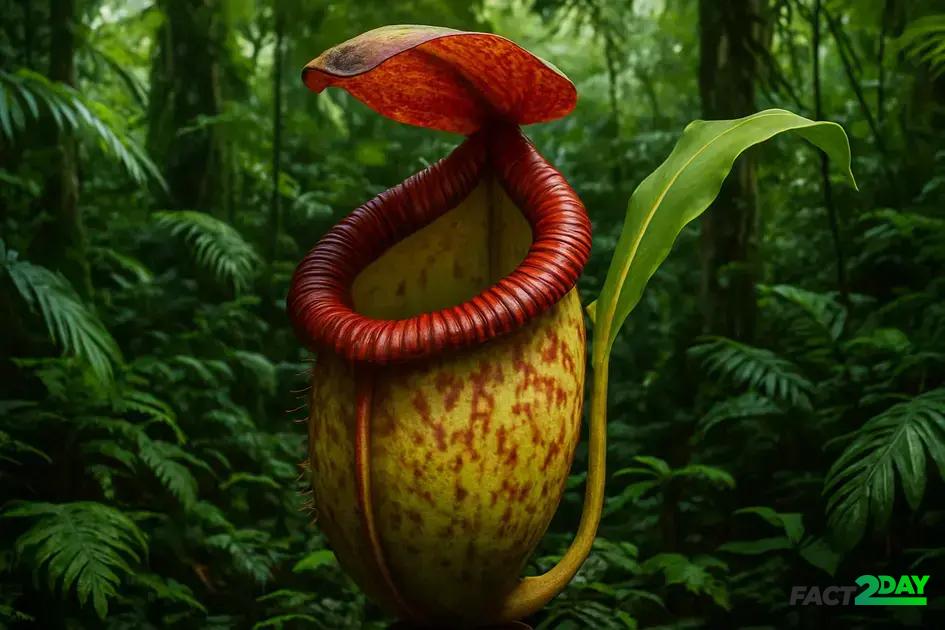
Giant carnivorous plants exhibit extraordinary adaptations such as large traps, sticky secretions, and specialized enzymes to capture and digest prey, allowing them to thrive in nutrient-poor environments while maintaining vital ecological relationships.
Have you ever wondered about the astonishing world of Giant Carnivorous Plants? These mysterious green predators invite curiosity and awe, capturing prey with stunning natural ingenuity. Let’s explore their fascinating secrets together!
What are giant carnivorous plants and how do they differ from smaller species?
Giant carnivorous plants are a fascinating group of plants known for their large size and unique ability to trap and digest animals, mainly insects. Unlike their smaller relatives, these giants can capture bigger prey due to their impressive size and more elaborate trapping mechanisms. For instance, many giant pitcher plants have enormous pitchers that can hold several liters of fluid, enabling them to trap not only insects but also small amphibians and even rodents.
One key difference between giant and smaller carnivorous plants is the scale and complexity of their traps. Smaller species, like the common Venus flytrap, use quick movements to snap shut on their prey. Conversely, giant species often rely on passive strategies, such as pitfall traps, where the prey falls into a deep cavity and cannot escape. This method does not require rapid movement but depends on structure and digestive enzymes to break down prey.
Adaptations Setting Giants Apart
Size plays a crucial role in the feeding strategies of giant carnivorous plants. Larger traps attract a wider range of prey and increase feeding opportunities. Additionally, their vibrant colors and nectar help lure unsuspecting animals. Giant carnivorous plants also tend to have stronger digestive fluids to handle larger prey more efficiently.
Understanding these differences helps us appreciate how plant evolution has allowed these colossal species to thrive in nutrient-poor environments by supplementing their diet with animal-based nutrients.
The most famous giant carnivorous plants around the world
The world hosts several famous giant carnivorous plants, each with unique features that fascinate scientists and nature lovers alike. One of the most renowned is the Nepenthes rajah, native to Borneo. It is famous for its enormous pitcher, which can hold over two liters of digestive fluid and trap animals as large as frogs and small mammals.
Another notable species is the Nepenthes attenboroughii, discovered more recently and named after the famous naturalist David Attenborough. This plant grows high on the mountains of the Philippines and has huge traps that lure prey with a sweet smell.
The Giant American pitcher plant (Sarracenia) is another giant species found in North America. Unlike the tropical Nepenthes, these plants thrive in cooler climates. They have tall, tubular pitchers that fill with rainwater to drown insects.
Unique Features of Each Giant Species
Aside from their size, these plants have developed diverse tactics to capture prey. For example, some use slippery walls or nectar to lure animals, while others emit unique odors. Their large size allows them to capture and digest a broader range of prey, contributing to their survival in nutrient-poor environments.
Learning about these famous giants helps to highlight the incredible adaptability and diversity of carnivorous plants across different continents and climates.
How giant pitcher plants trap and digest their prey
Giant pitcher plants use a fascinating passive method to trap their prey. Their pitcher-shaped leaves form deep cavities filled with digestive liquid. Insects and small animals are attracted by nectar and bright colors around the rim of the pitcher. Once the prey lands, they often slip on the smooth, waxy surface and fall into the liquid below.
Trapping Mechanism
The inner walls of the pitcher are slippery and coated with downward-pointing hairs, making escape nearly impossible. The digestive liquid contains enzymes and bacteria that break down the prey’s body, turning it into nutrients the plant can absorb. This process can take several days depending on the size of the trapped creature.
Some giant pitcher plants even have lids that prevent rain from diluting the digestive fluids, maintaining the trap’s effectiveness. The combination of scents, colors, and structural design makes these plants efficient hunters.
Digestive Process and Nutrient Absorption
After digestion, the plant absorbs nitrogen, phosphorus, and other essential nutrients, which are often scarce in their native soil. This adaptation allows giant pitcher plants to survive in nutrient-poor environments like tropical rainforests and mountain slopes.
By using this complex trapping and digestion system, giant pitcher plants sustain themselves in tough habitats where other plants might struggle.
The role of giant sundews in their ecosystem
Giant sundews play a vital role in their ecosystems by helping control insect populations in nutrient-poor environments. These carnivorous plants capture insects with their sticky, gland-covered tentacles, which secrete a glue-like substance that traps prey effectively. This ability allows them to supplement nutrients, primarily nitrogen and phosphorus, which are scarce in their natural habitats such as bogs and marshes.
Ecological Importance of Giant Sundews
By reducing insect numbers, giant sundews indirectly influence the balance of local food webs. They help limit pest populations that could otherwise harm other plants or spread disease. Furthermore, sundews provide microhabitats for some small organisms, contributing to biodiversity.
Interactions with Other Species
Some insects have evolved to avoid sundew traps, while others may even use the plants for shelter without getting caught. This creates a complex relationship within the ecosystem. Additionally, sundews rely on attracting prey with their glistening droplets, which reflect light and appear like nectar or water, effectively luring insects.
Overall, giant sundews are essential components in wetland ecosystems, maintaining nutrient cycles and supporting ecological balance through their unique carnivorous behavior.
Venus flytraps: giant versions and their unique hunting tactics
Giant Venus flytraps are fascinating variations of the classic carnivorous plant, featuring larger traps adapted to capture more substantial prey. These plants rely on their distinctive trap leaves that snap shut quickly when triggered by tiny hairs inside the lobes. This rapid movement is one of the fastest in the plant kingdom and helps secure prey efficiently.
Unique Hunting Tactics
The giant Venus flytrap’s traps can grow several inches wide, allowing them to capture larger insects and even small amphibians. They use a combination of snap traps and digestive enzymes to break down prey and absorb nutrients.
Trigger hairs inside the trap lobes must be stimulated multiple times within seconds to close, which helps prevent false alarms caused by raindrops or debris. Once the trap closes, it seals tightly to create a stomach-like environment where digestion occurs.
Adaptations for Survival
Besides their unique hunting style, giant Venus flytraps are adapted to thrive in nutrient-poor soils. By supplementing their diet with prey, they gain essential nutrients like nitrogen and phosphorus that are scarce in their environment.
This combination of rapid movement, sensitive trigger mechanisms, and digestive efficiency make giant Venus flytraps remarkable hunters in the plant world.
The evolution of carnivorous plants: how size plays a role
The evolution of carnivorous plants shows intriguing links between size and survival tactics. Larger size often means larger traps, which can capture a broader range of prey. This advantage allows giant carnivorous plants to thrive in nutrient-poor environments by supplementing their diet with animal nutrients.
Benefits of Larger Size
Big traps enable capturing not just insects but also bigger animals like frogs and small rodents. This capability increases nutrient intake, helping these plants survive where the soil lacks essential minerals.
Size also affects how these plants interact with their environment. For example, larger plants may attract different types of prey through stronger scents or more vibrant colors.
Evolutionary Adaptations
Carnivorous plants have evolved from ordinary plants by developing specialized leaves into trapping devices. This evolution involved gradual changes such as increased leaf size, secretion of digestive enzymes, and development of mechanisms to lure prey.
In some cases, environmental pressures like poor soil nutrition and competition drove the shift toward larger traps to exploit new food sources effectively.
The role of size highlights how evolution shapes form and function in carnivorous plants, allowing them to adapt and flourish across various habitats worldwide.
Adaptations that make giant carnivorous plants effective hunters
Giant carnivorous plants have developed unique adaptations that allow them to be effective hunters in challenging environments. One key adaptation is their large, specialized traps designed to capture a variety of prey sizes, ranging from insects to small amphibians and even rodents in some cases.
Structural Adaptations
Their traps often feature slippery surfaces, downward-pointing hairs, or sticky secretions that prevent prey from escaping. For example, pitcher plants have deep, fluid-filled cavities with waxy inner walls that cause prey to fall and drown. Sundews use glandular tentacles that secrete sticky mucilage to trap insects.
Attractive Features
These plants produce bright colors, sweet nectar, and enticing scents to lure prey closer. The coloration not only attracts insects but can also confuse them, increasing the odds of them falling into the trap.
Digestive Adaptations
Once the prey is captured, giant carnivorous plants secrete strong digestive enzymes to break down proteins quickly, allowing for efficient nutrient absorption. This process compensates for the poor nutrient availability in their natural soils.
Together, these adaptations combine to make giant carnivorous plants highly efficient hunters, capable of thriving where few other plants can.
The science behind the digestive enzymes in giant carnivorous plants
Giant carnivorous plants rely on a complex mixture of digestive enzymes to break down the prey they capture. These enzymes include proteases, phosphatases, and nucleases, which work together to decompose proteins, phosphates, and nucleic acids found in the prey’s body.
How Digestive Enzymes Work
Proteases are key enzymes that break proteins into smaller peptides and amino acids. These smaller molecules can be absorbed by the plant to supplement its nutrient intake. Phosphatases help release phosphate groups necessary for the plant’s metabolism.
These enzymes function in an acidic environment created by the plant’s digestive fluid, optimizing the breakdown process. The fluid often contains additional compounds that inhibit bacterial growth, ensuring the prey decomposes properly.
Enzyme Secretion and Regulation
Digestive enzymes are secreted by specialized glands lining the traps or pitchers. The secretion rate increases once prey is detected, triggered by mechanical stimulation or chemical signals released from the prey’s body.
Understanding the science behind these enzymes offers insight into how giant carnivorous plants thrive in nutrient-poor soils by efficiently converting trapped organisms into usable nutrients.
How these plants attract their prey: colors, scents, and movements
Giant carnivorous plants have evolved various methods to attract their prey using colors, scents, and movements. Bright, vibrant colors, especially reds and purples, mimic flowers and signal a food source to insects. These colors can be seen on their traps, lures, or nectar-producing structures.
Color Attraction
The coloration serves as a visual lure, drawing insects closer. Many plants use ultraviolet patterns invisible to humans but highly attractive to insects, guiding them toward the trap.
Scent Lures
Various species emit sweet or fruity scents that mimic nectar or rotting fruit, enticing prey with the promise of an easy meal. Some release scents only during certain times of day to coincide with peak insect activity.
Movement and Mechanical Tricks
Some giant carnivorous plants also use subtle movements to lure prey. For example, the fluttering of small hairs or the gentle rocking of traps caused by wind can attract curious insects. Others may have traps that snap shut quickly when prey touches sensitive hairs, ensuring a quick catch.
Together, these adaptations create an effective trap by appealing to the senses and behaviors of potential prey, increasing the plant’s chances of survival in nutrient-poor environments.
Giant carnivorous plants and their relationship with insects and animals
Giant carnivorous plants have complex relationships with insects and animals in their ecosystems. While they primarily capture insects for nutrients, some animals and insects actually benefit from these plants without being trapped.
Mutualistic Relationships
Certain insects, like ants, live on or near giant carnivorous plants and protect them from herbivores or help keep the traps clean by removing decaying matter. In return, these insects receive shelter and food resources such as nectar.
Some frog species inhabit the water-filled pitchers of giant pitcher plants, gaining protection from predators while keeping the trap clean by feeding on trapped insects and detritus.
Prey and Predator Dynamics
Giant carnivorous plants affect local insect populations by regulating their numbers, which influences food chains in their habitat. This predatory behavior helps maintain ecological balance, especially in nutrient-poor environments.
However, some animals have evolved ways to avoid becoming prey. For example, certain insects can safely navigate the traps to feed on nectar without getting caught. This highlights the dynamic interactions that have developed between carnivorous plants and local fauna over time.
Overall, these relationships showcase the intricate balance between survival strategies in nature, where both plants and animals adapt to coexist and benefit within the same environment.
The challenges giant carnivorous plants face in their natural habitats
Giant carnivorous plants face many challenges in their natural habitats. One major threat is habitat destruction caused by deforestation, land development, and agriculture. These activities reduce the areas where the plants can grow, often leading to population decline.
Environmental Challenges
These plants rely on specific conditions, such as nutrient-poor, acidic soils and high humidity. Changes in climate, like altered rainfall patterns and temperature fluctuations, can disrupt their growth and survival. Flooding or droughts may also damage delicate trapping structures.
Competition and Predation
Giant carnivorous plants compete with other vegetation for light, water, and space. Invasive species can outgrow or overshadow them. Additionally, while these plants capture insects, they may also fall prey to animals that feed on their leaves or traps.
Human impact remains a critical concern, including illegal collection for trade or horticulture, which threatens wild populations. Protecting these unique plants requires conservation efforts focused on habitat preservation and regulation.
The potential medicinal and scientific uses of carnivorous plant compounds
Carnivorous plants produce a variety of unique compounds with promising medicinal and scientific applications. These include enzymes, antimicrobial agents, and other bioactive substances that could lead to new treatments or products.
Medicinal Uses
Digestive enzymes from carnivorous plants have potential applications in pharmaceuticals to assist with digestive disorders. Additionally, some species produce antimicrobial compounds that can fight bacteria and fungi, which researchers are exploring as alternatives to traditional antibiotics.
Scientific Research
Compounds extracted from carnivorous plants are studied for their role in cellular processes and enzyme activity. Understanding these mechanisms can help advance biotechnology, including enzyme engineering and drug development.
Furthermore, the unique trapping mechanisms inspire biomimetic designs in robotics and material science, showing how these plants influence innovation beyond biology.
The study of carnivorous plant compounds continues to reveal fascinating possibilities that may contribute to medicine and technology in the future.
How to cultivate giant carnivorous plants at home
Cultivating giant carnivorous plants at home requires special care to mimic their natural environment. These plants thrive in nutrient-poor, acidic soils and need plenty of moisture and light to grow effectively.
Choosing the Right Soil
Use a mix of sphagnum peat moss and perlite or sand to create a well-draining, acidic soil. Avoid regular potting soil, as it is too nutrient-rich and can harm these plants.
Watering and Humidity
Giant carnivorous plants require pure water like rainwater, distilled, or reverse osmosis water. Tap water often contains minerals that can damage the plants. Keep the soil moist but not waterlogged, and maintain high humidity around the plant.
Light and Temperature
Provide bright, indirect light or filtered sunlight. Many species also benefit from a period of cooler temperatures to simulate their natural habitat’s seasonal changes.
Feeding and Maintenance
These plants do not need fertilization if they catch their own prey. However, if indoors, you can feed them small insects occasionally. Regularly remove dead leaves and ensure good air circulation to prevent mold and rot.
With proper care, giant carnivorous plants can be a rewarding and fascinating addition to your home garden or indoor plant collection.
Conservation efforts to protect giant carnivorous plants from extinction
Conservation efforts for giant carnivorous plants focus on preserving their natural habitats and preventing illegal collection. Many species are endangered due to habitat loss, pollution, and climate change.
Protecting Natural Habitats
Governments and environmental organizations work to designate protected areas that include the native environments of these plants. Laws and regulations aim to limit deforestation and mining activities that destroy their fragile ecosystems.
Research and Propagation
Botanical gardens and research centers play a critical role in studying giant carnivorous plants and propagating them through seed and tissue culture techniques. These efforts support reintroduction programs and help maintain genetic diversity.
Public awareness campaigns also educate local communities about the importance of these plants and encourage sustainable practices that reduce human impact.
Challenges and Future Steps
Despite efforts, challenges such as climate change and illegal poaching continue to threaten these plants. Collaboration between scientists, local communities, and policymakers is essential to develop effective conservation strategies.
Long-term protection depends on combining habitat preservation, scientific research, and public engagement to ensure the survival of giant carnivorous plants for future generations.
Understanding and Protecting Giant Carnivorous Plants
Giant carnivorous plants are incredible parts of our natural world, showcasing unique adaptations and fascinating behaviors. Learning about their biology and ecology helps us appreciate their important role in ecosystems.
However, these plants face many threats from habitat loss and environmental changes. Conservation efforts and public awareness are essential to ensure they survive for future generations.
By protecting their habitats and supporting scientific research, we can help maintain the delicate balance that allows these amazing plants to thrive. Their survival enriches biodiversity and inspires us with nature’s creativity.