The Second Brain: How Your Gut Microbiome Directly Influences Your Brain and Mental Health
Explore the gut-brain axis in detail and discover how your gut microbiome shapes mental health and brain function in surprising ways.
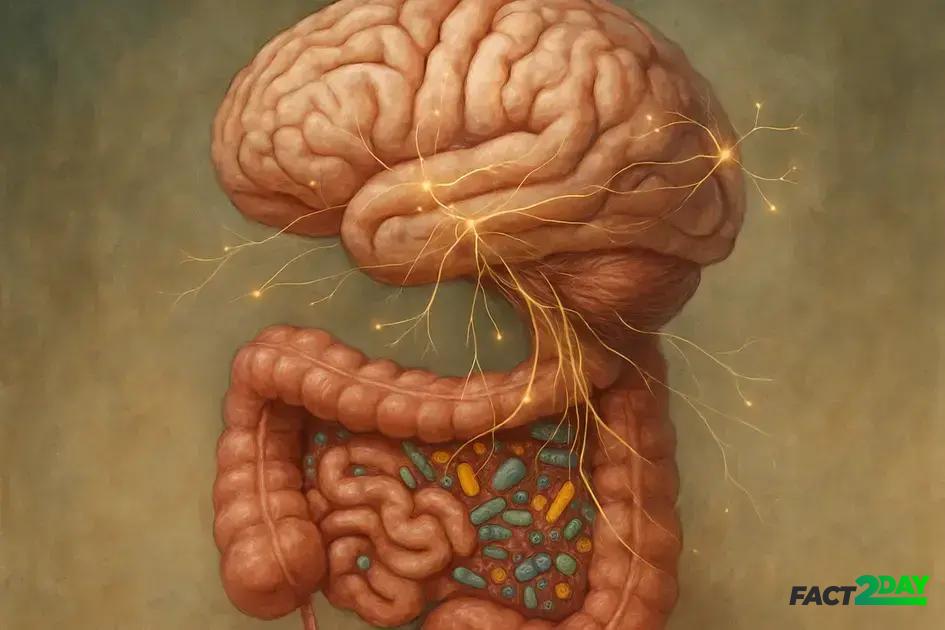
The gut-brain axis in detail describes the direct communication between the gut microbiome and the brain, showing how gut microbes produce neurotransmitters and regulate inflammation to influence mood, cognition, and mental health.
Have you ever wondered about the mysterious link between your mind and your belly? The gut-brain axis in detail reveals how deeply our mental health might depend on the microscopic life inside us. Let’s walk through this fascinating connection together.
understanding the gut-brain connection
The gut-brain axis is a complex, two-way communication network linking the digestive system and the brain. This connection involves multiple pathways, including the nervous system, immune system, and hormones. The vagus nerve plays a key role by sending signals directly from the gut to the brain, affecting mood and cognition.
The role of gut microbes
Your gut hosts trillions of microbes that produce neurotransmitters like serotonin, which significantly influence brain function. These microbes help regulate inflammation and the body’s stress response, illustrating how closely intertwined our mental and digestive health truly are.
How signals travel between gut and brain
Signals from the gut communicate through chemical messengers, immune molecules, and the nervous system, allowing the brain to monitor gut conditions. This ongoing dialogue impacts appetite, digestion, and even emotions, highlighting the gut’s role as a powerful influencer on overall mental well-being.
how gut microbes influence brain and mood
Gut microbes have a profound impact on brain function and mood by producing key neurotransmitters and regulating the immune system. These microorganisms create chemicals like serotonin and gamma-aminobutyric acid (GABA), which influence feelings of happiness and relaxation.
The production of neurotransmitters
More than 90% of the body’s serotonin is produced in the gut. This chemical helps control mood, appetite, and sleep. Certain gut bacteria stimulate serotonin production, promoting emotional balance and mental health.
Impact on inflammation and stress
Gut microbes also regulate inflammation, which is linked to depression and anxiety. By maintaining a healthy microbial balance, the body can better manage stress and reduce inflammation in the brain.
Disruptions to the gut microbiome through poor diet, antibiotics, or illness may lead to mood disorders, highlighting the importance of nurturing these microbes for mental well-being.
practical ways to nurture your gut for mental wellness
Maintaining a healthy gut is essential for supporting mental wellness and the gut-brain axis. Simple lifestyle changes can have a big impact on your gut microbiome and brain health.
Eat a balanced diet rich in fiber and probiotics
High-fiber foods like fruits, vegetables, and whole grains feed beneficial gut bacteria, while probiotics found in yogurt, kefir, and fermented foods introduce helpful microbes. This combination supports a diverse and thriving microbiome.
Manage stress and get enough sleep
Chronic stress and poor sleep disrupt the gut microbiome and increase inflammation, which may negatively affect mental health. Practicing relaxation techniques and ensuring restful sleep can help maintain gut balance.
Avoid unnecessary antibiotics and limit processed foods
Antibiotics can harm beneficial bacteria in the gut, so use them only when necessary. Processed foods and high sugar intake also disturb microbial diversity. Choosing whole, natural foods benefits both gut and brain.
Regular physical activity further promotes gut health by supporting digestion and reducing stress, contributing to overall mental well-being.
How nurturing your gut supports mental wellness
Taking care of your gut through healthy eating, stress management, and good sleep can greatly improve your mental health. These simple steps help maintain a balanced gut microbiome, which plays a big role in brain function and mood.
Being mindful of your lifestyle choices and avoiding harmful habits protects your gut’s natural harmony. Over time, this supports better emotional balance and overall well-being.
Remember, a healthy gut is more than just digestion – it’s a vital part of your mental wellness journey. Start nurturing it today and feel the difference.