Sweet Illusion: The Ongoing Debate Around Artificial Sweeteners and Your Health
Artificial sweeteners debate invites you to explore their health impacts with clarity and insight, unraveling myths and facts for better choices.
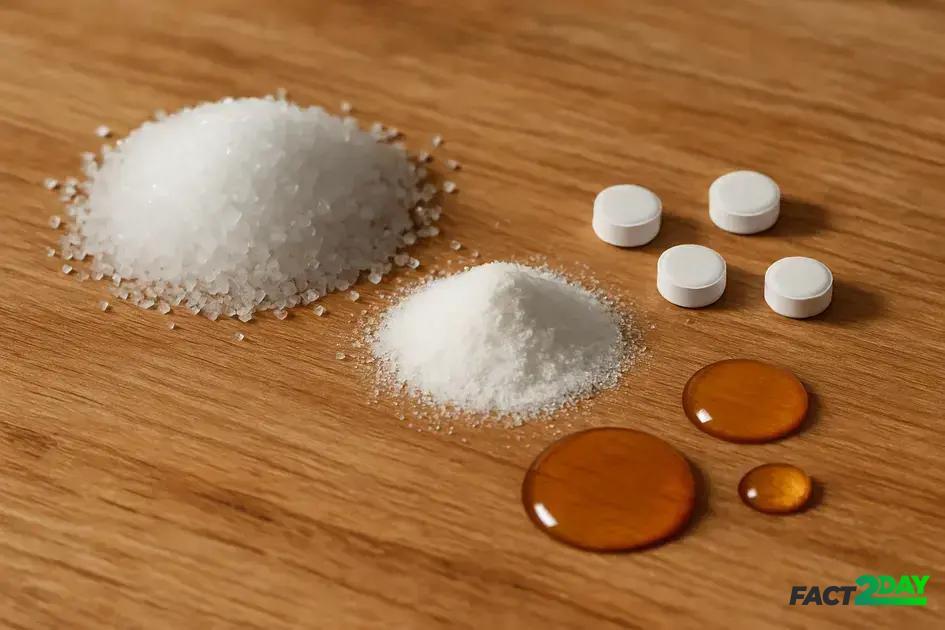
Artificial sweeteners debate centers on their benefits in reducing sugar intake and managing health versus concerns about potential risks, with moderation and informed choices being key to their safe use.
Have you ever wondered about the real effects of Artificial sweeteners debate on your health? Walking through this complex topic reveals surprising layers worth exploring with care and curiosity.
Understanding artificial sweeteners and their types
Artificial sweeteners are substances used to sweeten foods and drinks without adding significant calories. These sweeteners provide an alternative to sugar for those looking to reduce calorie intake or manage blood sugar levels. Understanding the different types helps you make informed choices.
Common Types of Artificial Sweeteners
Aspartame is one of the most widely used sweeteners, found in many diet sodas and sugar-free products. Though it is low in calories, some people express concern about its impact on health, especially those with phenylketonuria (PKU), a rare genetic condition.
Sucralose is another popular choice, known for its stability in cooking and baking. It is much sweeter than sugar and passes through the body without absorption, making it calorie-free.
Stevia is a natural sweetener derived from the leaves of the Stevia plant. It is favored by those seeking plant-based options and has gained popularity in recent years.
How These Sweeteners Work
Artificial sweeteners typically interact with sweet taste receptors on the tongue, creating the sensation of sweetness without the sugar content. This is why they can offer sweetness without contributing to calorie intake.
While they vary in chemical makeup, their common purpose is to help people reduce sugar consumption, which can be beneficial for weight management and controlling blood sugar levels in diabetics.
Learning about the types and characteristics of artificial sweeteners can guide you in selecting products that fit your diet and taste preferences effectively.
Health implications: risks and benefits debated
The debate around artificial sweeteners often centers on their potential health risks and benefits. While these sweeteners offer an appealing way to reduce sugar intake, opinions diverge on their long-term effects.
Potential Health Benefits
One key advantage is their role in weight management. By replacing sugar with calorie-free or low-calorie sweeteners, many people can reduce overall calorie consumption. This may help prevent obesity and related diseases.
Artificial sweeteners also benefit individuals with diabetes by helping control blood sugar levels without causing spikes.
Concerns and Risks
Some studies suggest that certain sweeteners might affect gut health or disrupt metabolism, but evidence remains inconclusive. Others raise questions about possible links to headaches or allergic reactions in sensitive individuals.
Controversy continues as research explores whether these sweeteners influence appetite or cravings, potentially leading to increased food intake.
What Science Says
Health organizations worldwide generally regard approved artificial sweeteners as safe in moderate amounts. However, ongoing research reminds us that individual responses vary, and moderation is key.
Staying informed about new studies helps consumers make balanced choices amid evolving scientific understanding.
Navigating your diet: practical advice on sweetener use
Choosing the right approach to using artificial sweeteners can make a difference in your diet and overall health. Practical advice helps you navigate options thoughtfully.
Moderation is Key
Using artificial sweeteners in moderation is important. Even though many are low or zero calories, excessive intake may lead to undesired effects such as changes in taste preferences or digestive discomfort.
Read labels carefully to understand which sweeteners are present and how much you consume daily from all sources.
Balance with Whole Foods
Complement sweetener use with a diet rich in whole foods like fruits, vegetables, and whole grains. This ensures you get essential nutrients and fiber that processed products might lack.
Choose natural sweeteners like stevia when possible, but remain aware of your body’s reactions and preferences.
Stay Informed and Adjust
Pay attention to how your body responds to different sweeteners. Some people may experience headaches or sensitivities. Consulting a healthcare professional can provide guidance tailored to your health needs.
Experiment with reducing sweetener use gradually to find a balance that supports your taste while maintaining healthier habits.
Finding the right balance with artificial sweeteners
Artificial sweeteners can be useful tools for reducing sugar intake and managing health, but it’s important to use them wisely and in moderation. Paying attention to your body’s responses and following practical advice can help you maintain a balanced diet.
Remember to complement sweetener use with whole foods and stay informed about new research. By making thoughtful choices, you can navigate the ongoing debate and find what works best for your health and lifestyle.