Earth’s Inner Fire: Tapping into Geothermal Energy for a Sustainable Future
Explore the promising geothermal energy potential that could reshape our sustainable future with clean, reliable power from Earth's warmth.
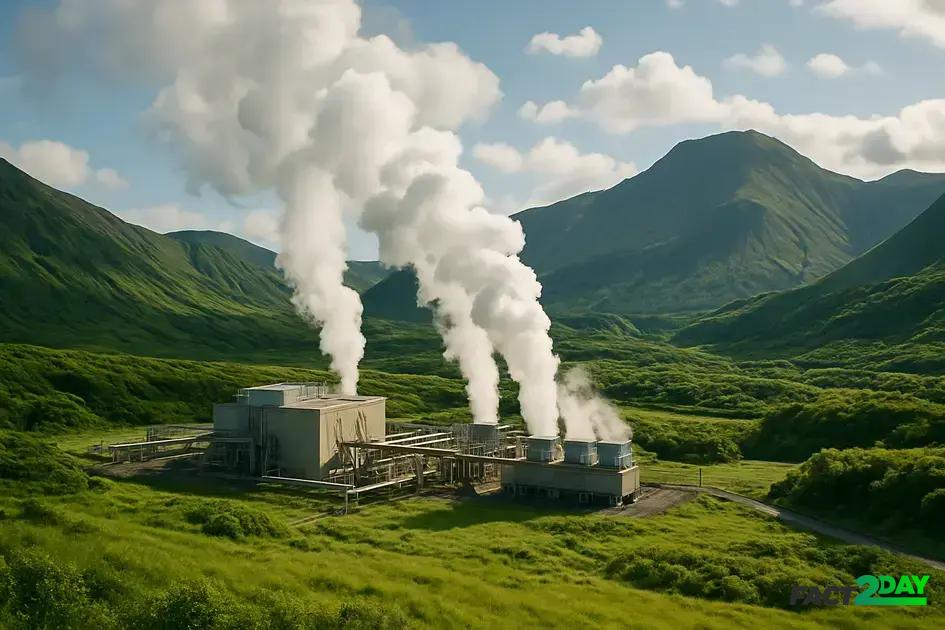
Geothermal energy potential refers to the Earth’s natural heat that can be harnessed for sustainable, continuous power through technologies like steam turbines and enhanced geothermal systems.
Have you ever wondered about the geothermal energy potential beneath our feet? This natural heat source offers a quiet, steady promise of sustainable energy, inviting us to explore its depths and possibilities.
understanding geothermal energy and its sources
Geothermal energy comes from the natural heat stored beneath the Earth’s surface. This heat is generated by the decay of radioactive materials and the original formation of the planet, making it a reliable and continuous power source. At various depths, the Earth stores immense thermal energy, which humans can tap into for heating and electricity.
Types of geothermal sources
There are three main types of geothermal resources: dry steam, flash steam, and binary cycle reservoirs. Dry steam plants use steam directly from underground to turn turbines, while flash steam plants pull high-pressure hot water and convert it to steam. Binary cycle power stations transfer heat from geothermal water to another fluid with a lower boiling point, which then vaporizes to generate power.
Where geothermal energy is found
Geothermal energy is more accessible near tectonic plate boundaries, volcanic regions, and hot springs. Countries like Iceland, the Philippines, and the United States have significant geothermal activity and have developed plants to harness this energy. Even areas without obvious surface activity can hold geothermal potential several kilometers underground.
Understanding these sources helps us recognize how geothermal energy potential can contribute to long-term sustainable energy solutions by providing a stable and clean power supply with minimal environmental impact.
exploring the global geothermal energy potential
The global geothermal energy potential is vast, with estimates suggesting it could provide a significant portion of the world’s energy needs. This potential varies widely by region, depending on geological activity and accessible heat sources beneath the Earth’s surface.
Major geothermal hotspots worldwide
Regions along tectonic plate boundaries, such as the Pacific Ring of Fire, are rich in geothermal resources. Countries including Indonesia, the Philippines, and Japan are leading developers in tapping these natural resources. Iceland is another prime example, using geothermal for both heating and electricity almost nationwide.
Untapped potential in other regions
Even areas without obvious geothermal activity, like parts of the United States and Europe, hold untapped potential at deeper levels. Advances in drilling and technology might soon unlock these resources, allowing access to heat reservoirs once considered unreachable.
Assessing geothermal potential requires detailed geological surveys, temperature measurements, and resource mapping to ensure efficient and sustainable exploitation. As technology improves, geothermal energy could become a reliable backbone for clean energy worldwide.
challenges and opportunities in harnessing geothermal power
Harnessing geothermal power offers exciting opportunities but also presents several challenges. One major challenge is the high upfront cost of drilling and building geothermal plants, which can be a barrier for many projects despite the long-term benefits.
Technical and environmental challenges
Extracting heat from deep underground requires advanced technology and careful management. There is a risk of depletion if geothermal reservoirs are overused. Additionally, some projects may cause minor earthquakes or release small amounts of gases trapped underground.
Opportunities for sustainable energy growth
Despite challenges, geothermal power is a stable and clean energy source. It provides continuous electricity, unlike solar or wind, which depend on weather. Advances in geothermal technologies, such as enhanced geothermal systems (EGS), promise to unlock resources in areas previously thought unsuitable.
Governments and companies are increasingly investing in geothermal projects, recognizing their role in reducing carbon emissions and supporting energy independence. By addressing technical challenges and investing in innovation, geothermal energy potential can be transformed into a key player in the global energy mix.
Harnessing geothermal energy for a sustainable future
Geothermal energy offers a unique chance to access clean, reliable power from deep within the Earth. While challenges exist, advances in technology and growing investments are making it more feasible.
By understanding its potential and addressing obstacles carefully, geothermal energy can play a key role in reducing carbon emissions and providing constant energy worldwide.
Embracing geothermal power is an important step toward a greener, more sustainable future for everyone.