The Malleable Mind: How Neuroplasticity Allows Your Brain to Rewire Itself
Neuroplasticity explained reveals how your brain continuously adapts, reshaping itself to learn, heal, and grow throughout life.
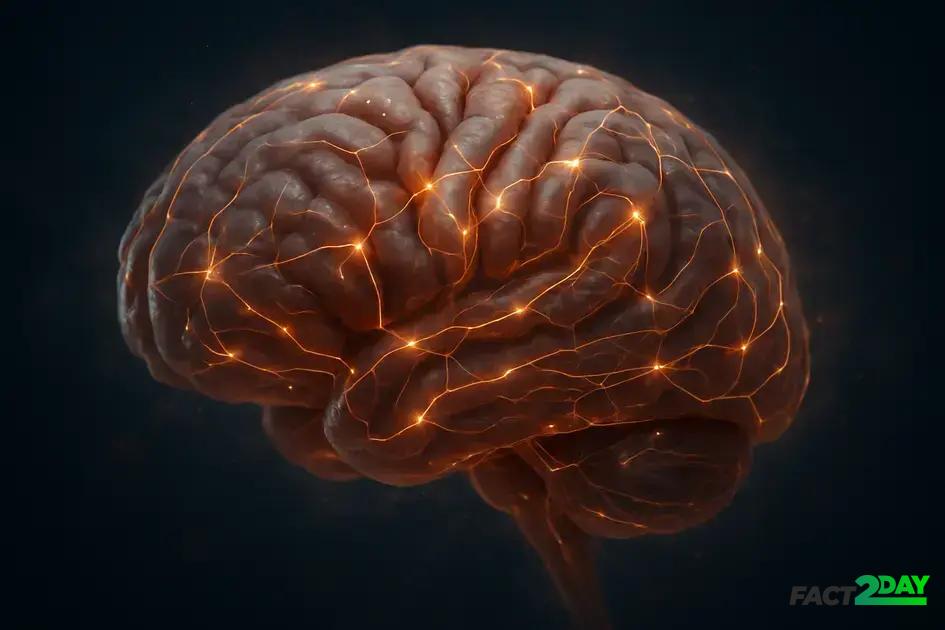
Neuroplasticity explained is the brain’s ability to reorganize and form new neural connections throughout life, enabling learning, recovery from injury, and adaptation to new experiences.
Have you ever wondered how the brain manages to heal after injury or why learning new skills sometimes feels easier with practice? Neuroplasticity explained uncovers this magical brain ability to rewire itself in response to experiences and challenges.
understanding the basics of neuroplasticity
Neuroplasticity is the brain’s remarkable ability to change its structure and function in response to experience. This natural process enables the brain to form new connections, strengthen existing ones, or even reassign functions to different areas. Understanding the basics of neuroplasticity helps us realize how adaptable and resilient our minds truly are.
How neuroplasticity works
At the core, neurons communicate through synapses. When you learn something new or practice a skill, these synapses strengthen and multiply, enhancing neural pathways. This creates more efficient communication within the brain. Conversely, unused pathways may weaken over time, a process called synaptic pruning.
Types of neuroplasticity
There are two main types: structural plasticity, which refers to physical changes in the brain’s wiring, and functional plasticity, where the brain shifts functions from damaged to healthier regions. Both types work together to allow continual adaptation throughout life.
By grasping these foundational concepts, you can better appreciate how learning, memory, and recovery from injuries occur. The brain’s flexibility is a key to unlocking potential and improving mental health.
how neuroplasticity supports learning and recovery
Neuroplasticity plays a crucial role in both learning new skills and recovering from brain injuries. When you practice or encounter new experiences, your brain actively rewires itself to improve performance and retain information. This ongoing adaptation allows you to sharpen abilities over time.
Supporting learning through neuroplasticity
Every time you focus on a task, neurons form stronger connections in relevant brain areas. Repetition and practice help reinforce these pathways, making skills more automatic and easier to perform. For example, learning to play an instrument or speak a new language involves gradual rewiring that increases efficiency.
Neuroplasticity in recovery
After an injury like a stroke, parts of the brain may be damaged, but neuroplasticity enables other regions to take over lost functions. Rehabilitation therapies leverage this by encouraging repeated, targeted movements to strengthen alternative neural circuits, helping patients regain abilities.
This powerful brain ability explains why recovery is possible even after serious setbacks. Understanding how neuroplasticity supports learning and healing highlights the brain’s adaptability and capacity for growth in every stage of life.
practical ways to nurture your brain’s adaptability
To support your brain’s natural ability to adapt, it’s important to engage in activities that promote neuroplasticity. Regular mental challenges, physical exercise, and healthy lifestyle habits can all contribute significantly to enhancing brain flexibility.
Engage in continuous learning
Challenging your brain with new skills like learning a language, playing music, or solving puzzles encourages the formation of new neural connections. These activities stimulate structural plasticity, keeping the brain active and adaptable.
Maintain physical health
Exercise increases blood flow and oxygen to the brain, which supports the growth of neurons and synapses. Activities like walking, swimming, or yoga not only improve body health but also boost brain plasticity by releasing beneficial neurochemicals.
Practice mindfulness and good sleep hygiene
Mindfulness meditation helps reduce stress and enhance focus, which positively affects brain function and structure. Additionally, quality sleep is crucial because it allows the brain to consolidate memories and repair neural pathways essential for learning and adaptation.
By incorporating these practices into your daily routine, you actively support your brain’s remarkable capacity to change and grow, ensuring lifelong mental agility and resilience.
Embracing the power of neuroplasticity
Understanding and supporting neuroplasticity gives us the chance to unlock our brain’s true potential. By learning new skills, staying physically active, and caring for our mental health, we can keep our minds sharp and adaptable at any age.
This natural ability to rewire and grow allows recovery from injury and continuous personal development. Embracing these practices not only enhances brain function but also enriches everyday life with resilience and creativity.