Nature’s Light Show: Unraveling the Secrets of Bio-luminescence
Bio-luminescence mysteries reveal nature's enchanting light displays, inviting us to explore glowing creatures and their hidden secrets in Earth's darkest corners.
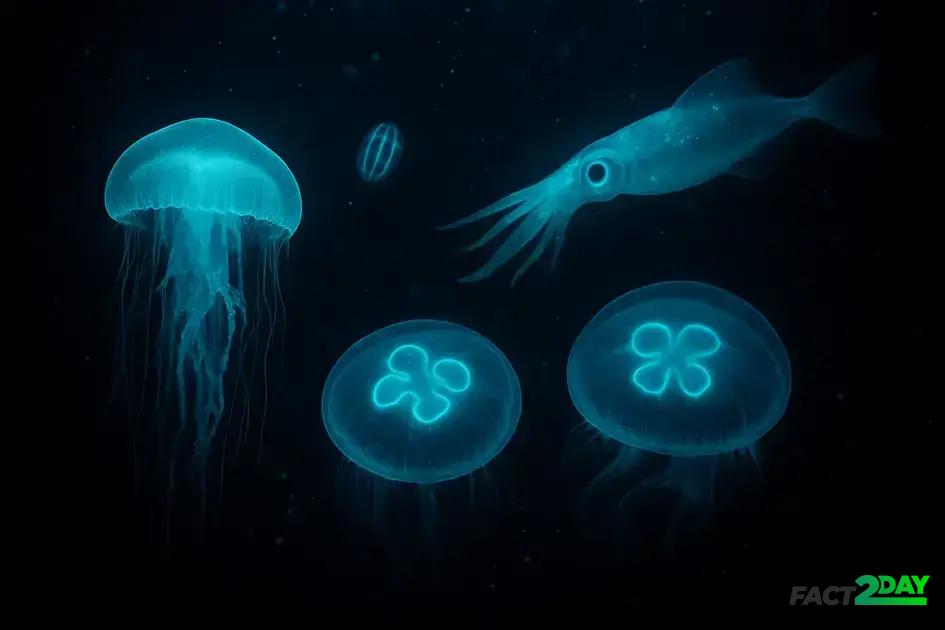
Bio-luminescence mysteries reveal how living organisms produce light through chemical reactions for communication, defense, camouflage, and survival in diverse and unexpected environments.
Bio-luminescence mysteries have fascinated humanity for centuries, shining light on the magical displays living beings create. Have you ever wondered why some creatures glow? Let’s explore this natural phenomenon together and uncover its secrets.
how bio-luminescence works in nature
Bio-luminescence is a natural process where living organisms produce and emit light through a chemical reaction. This light is created when an enzyme called luciferase acts on a molecule called luciferin, in the presence of oxygen. The reaction releases energy in the form of visible light, often glowing in shades of blue, green, or yellow. This amazing ability can be found in various life forms, including certain species of fungi, bacteria, insects like fireflies, and many marine animals.
The purpose of bio-luminescence varies widely among organisms. Some use it to attract mates or prey, while others use it to communicate or camouflage themselves from predators. In the ocean, where sunlight is scarce, bio-luminescence can light up dark waters, helping creatures navigate or even warn nearby animals of danger. Fireflies flashing patterns are a classic example of light signals used in mating rituals.
Key components of bio-luminescence
Understanding the molecular basis of bio-luminescence involves studying luciferase and luciferin. Variations in these molecules result in different colors and intensities of light. For example, marine organisms often produce blue or green light, which penetrates water more effectively. Additionally, some creatures have developed complex light organs with reflective layers to amplify their glow.
Bio-luminescence is energy-efficient, producing almost no heat, unlike artificial lights. This reflects its evolutionary advantage as a survival tool. The fascinating ways that bio-luminescence works in nature show how life has adapted to communicate and thrive in diverse environments, often turning darkness into a magical light show.
the ecological roles of glowing organisms
Glowing organisms play vital roles in various ecosystems, affecting everything from food chains to reproductive behaviors. Bio-luminescence serves many ecological purposes that help creatures survive and thrive in diverse environments.
One important role is communication. Many species use light signals to find mates or warn others of danger. For example, fireflies flash unique patterns to attract partners, while some deep-sea fish produce sudden flashes to confuse predators. This light-based signaling is essential in dark habitats where visual cues are limited.
Camouflage and defense
Bio-luminescence can also act as a form of camouflage, called counter-illumination. Some marine animals produce light on their undersides to blend with the faint light from above, hiding their silhouette from predators below. In other cases, flashing or glowing warns predators that the organism may be toxic or unpalatable, deterring attacks.
Bio-luminescent organisms also contribute to the food web. For instance, glowing plankton attract small fish that feed on them, which in turn support larger predators. This chain reaction helps maintain balance in aquatic ecosystems. Additionally, some fungi use light to attract insects that help spread their spores.
Overall, the ecological roles of glowing organisms demonstrate their importance beyond just creating beautiful lights. They affect survival, reproduction, and energy flow, showcasing nature’s ingenuity in adapting to harsh or dark environments.
discovering bio-luminescence in unexpected places
Bio-luminescence is not limited to deep oceans or dense forests; it has been discovered in many unexpected places, sparking curiosity and wonder among scientists and nature lovers alike. For example, certain types of bio-luminescent fungi can be found glowing softly on decaying wood in forests across the world, illuminating the night with a ghostly green light.
Another surprising discovery is that some bacteria capable of producing light live in symbiosis with animals such as squids and anglerfish. These animals use their glowing partners for hunting or hiding, showcasing a fascinating partnership in nature.
Urban bio-luminescence
Even urban areas are not exempt from bio-luminescence. Some species of bio-luminescent algae can bloom in city harbors and beaches, making the waves sparkle with blue light at night. This unexpected phenomenon attracts visitors and scientists eager to study its causes and effects.
Researchers continue to uncover new instances of bio-luminescence in environments previously thought to be too harsh or bright for glowing organisms. Discovering these lights in unusual settings challenges our understanding of life and pushes the boundaries of biology.
These findings open doors to new scientific insights and inspire innovations in technology, such as developing natural light sources or bio-inspired designs.
Exploring the Wonders of Bio-luminescence
Bio-luminescence continues to amaze us with its variety and the important roles it plays in nature. From deep oceans to urban shores, glowing organisms help ecosystems thrive and inspire scientific discoveries.
Understanding these natural lights not only reveals the secrets of survival and adaptation but also opens possibilities for future innovations inspired by nature’s brilliance.
By studying bio-luminescence, we gain a deeper appreciation for the hidden lights that brighten our world in the most unexpected places.