Playing God? The Ethical Dilemmas and Promising Frontiers of Genetic Engineering
Genetic engineering ethics unravels complex questions about science and morality shaping our future with groundbreaking possibilities.
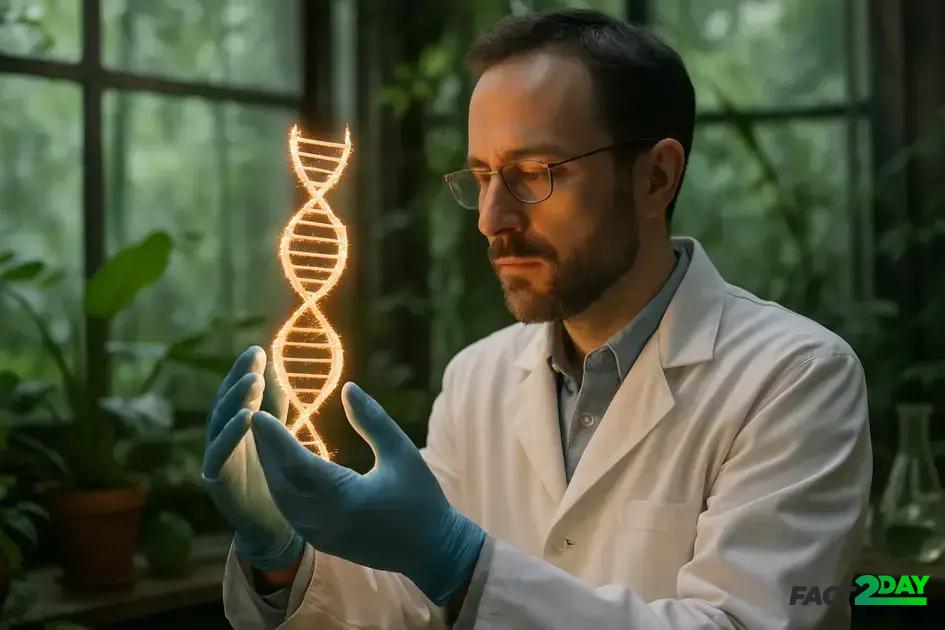
Genetic engineering ethics examines the moral challenges and responsibilities involved in modifying DNA, focusing on safety, fairness, human enhancement, and the long-term impacts on society and future generations.
Genetic engineering ethics often feels like stepping into uncharted territory, where science meets deep moral questions. Have you ever wondered where the line falls between innovation and interference in nature?
understanding the ethical questions in genetic engineering
Genetic engineering raises important ethical questions about how far humans should interfere with nature. Many people ask whether we have the right to change an organism’s DNA, given that these changes can affect future generations. Issues like consent become complicated when edits are made to embryos or reproductive cells, as those affected cannot give permission.
Some worry about the risks of unintended consequences, where a small change might lead to harmful effects later. Others debate the fairness of access, as expensive gene therapies might only be available to the wealthy, increasing social inequality.
The debate on human enhancement
One key ethical dilemma is the use of genetic engineering for human enhancement—improving physical or mental traits beyond normal health. This raises questions about what it means to be human and whether altering traits could harm society’s values or diversity.
Balancing progress and caution means scientists, ethicists, and the public must carefully consider these questions before moving forward. Open dialogue helps navigate the risks and benefits to ensure responsible use of genetic technology.
the balance between innovation and responsibility
The rapid progress in genetic engineering offers exciting innovations, such as curing genetic diseases and improving crop resilience. However, these advances come with a need for great responsibility to avoid unintended harm.
Ethical frameworks guiding innovation
Governments and scientific bodies often set rules to ensure research and applications respect human rights and environmental safety. These frameworks include oversight committees and risk assessments before new technologies are widely used.
Responsible innovation means balancing the potential benefits with caution. For example, gene editing in humans requires careful testing and public dialogue before approval, ensuring safety and social acceptance.
There’s also the challenge of equitable access. Without careful management, genetic technologies could widen health disparities, benefiting only a privileged few.
Transparency and public engagement play key roles in maintaining trust. When scientists openly communicate risks and benefits, society can make informed decisions about which innovations to support.
genetic engineering’s role in shaping humanity’s future
Genetic engineering stands as a powerful tool that could significantly shape humanity’s future. By allowing precise modifications to DNA, this technology has the potential to eliminate inherited diseases and improve overall health for coming generations.
Enhancing human health and longevity
Scientists are exploring ways to extend human lifespan and reduce susceptibility to illnesses like cancer and heart disease through gene editing. These advancements could lead to healthier, longer lives for many people.
However, reshaping human genetics raises profound questions about identity and diversity. Preserving genetic variation is important for adaptability and resilience in populations, which calls for cautious and ethical approaches.
Moreover, the future of genetic engineering involves debates about accessibility and fairness. Ensuring all individuals benefit equally will be vital to prevent new forms of inequality or discrimination.
Ultimately, genetic engineering holds the promise of transforming humanity, but it requires balanced decisions guided by science, ethics, and public values.
Looking Ahead: Responsible Use of Genetic Engineering
Genetic engineering offers incredible possibilities to improve health and shape the future of humanity. Still, it is important to move forward with care and responsibility.
Balancing innovation with ethics helps us make sure these powerful tools benefit everyone fairly and safely. Open conversations and thoughtful choices will guide us in using genetic engineering wisely.
By respecting ethics and promoting fairness, we can unlock the promise of genetic engineering while protecting the values that make us human.