Silent Conquerors: How Epidemics and Plagues Reshaped Human History
Explore how the impact of disease in history has silently transformed societies, economies, and cultures over centuries, shaping the world we know today.
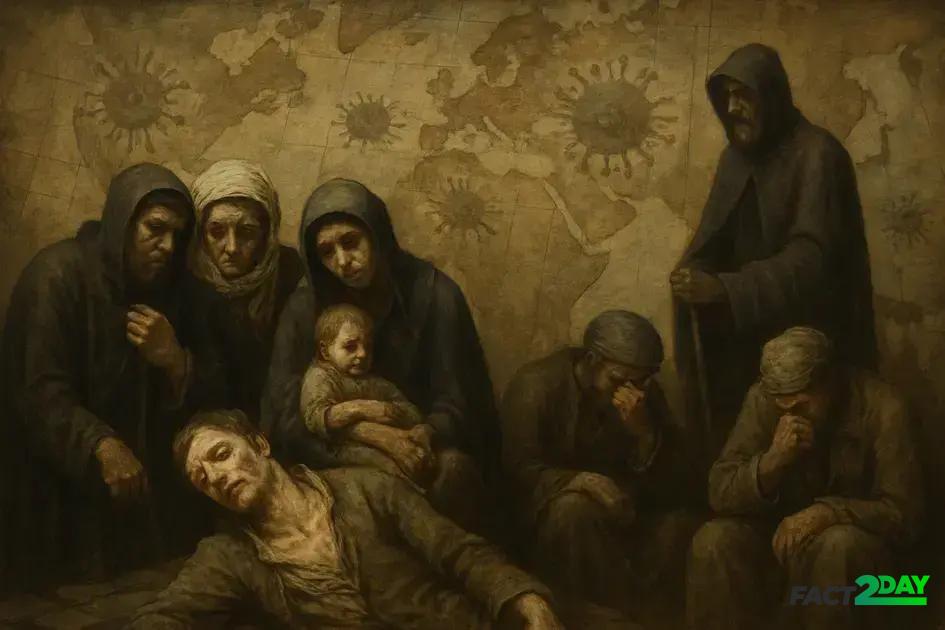
The impact of disease in history reshaped societies by altering social structures, disrupting economies, and driving innovations in public health and resilience.
The impact of disease in history often slips quietly beneath the surface of grand narratives, yet its influence shapes the rise and fall of civilizations. Have you ever wondered how epidemics silently redraw the map of human experience? Let’s walk through the echoes of these silent conquerors.
the silent shifts: how disease altered human societies
The influence of diseases on human societies goes far beyond immediate health effects. Throughout history, epidemics have triggered profound social changes, from shifting population structures to altering community behaviors and cultural norms. For instance, the Black Death in the 14th century drastically reduced Europe’s population, causing labor shortages that led to improved wages and social mobility for peasants.
Disease outbreaks can break down social hierarchies as traditional power structures falter under crisis. Communities often develop new customs and approaches to health and sanitation in response to recurring plagues. This evolution of social practices reflects an adaptive human response, laying the foundation for modern public health measures.
Moreover, epidemics frequently influence migration patterns. Fear and necessity can push populations to relocate, spreading diseases but also leading to cultural exchanges and new societal configurations. The reshaping of social interactions and trust within communities often persists long after the disease wanes, illustrating the lasting societal transformations caused by silent conquerors: disease.
economic ripples: the financial aftermath of epidemics
Epidemics have long left behind deep economic ripples that shape the financial landscape of entire regions. When diseases strike, they often disrupt labor markets due to widespread illness and death, leading to significant shortages in the workforce. This scarcity can cause wages to rise as the demand for healthy workers increases.
Economic downturns frequently follow epidemics because businesses close, trade slows, and production falls. For example, the 1918 Spanish flu caused major interruptions in global commerce, reducing economic output and delaying recovery for years. Governments sometimes face increased healthcare costs and must reallocate resources to control outbreaks, straining public finances.
At the same time, epidemics encourage innovation and change. Industries like pharmaceuticals and public health expand rapidly, while new business models emerge to adapt to changing consumer behaviors. The long-term financial impact can include shifts in wealth distribution and accelerated development in health infrastructure.
lessons from history: resilience and adaptation to plagues
Throughout history, societies have shown remarkable resilience and adaptation when faced with devastating plagues. Communities developed new medical knowledge, improved sanitation, and public health systems to combat recurring outbreaks. For example, after the bubonic plague, European cities began implementing quarantine measures and establishing hospitals dedicated to isolating the sick.
Resilience Through Innovation
Many innovations emerged from necessity during epidemics. The creation of vaccines and advancements in hygiene practices stemmed from learning how to control diseases. These advances not only saved lives but also paved the way for modern medicine.
Social Adaptations and Cultural Shifts
Plagues also forced societies to rethink social behaviors. Rituals around death and care for the ill transformed, often leading to greater community support systems. Governments and leaders adapted policies to manage public health crises more effectively, showing how cultural shifts foster resilience.
Resilience is also seen in economic systems, which adapted by diversifying and rebuilding after disruptions. These lessons from history remind us that human societies possess an incredible capacity to learn and evolve in response to the challenges posed by plagues.
Understanding the lasting impact of diseases
The history of epidemics shows us how diseases shaped societies in many ways—from social changes to economic shifts and cultural adaptations. These silent conquerors have pushed humanity to innovate and grow stronger.
By studying these lessons, we can better prepare for future health challenges and build resilient communities. Recognizing the impact of disease on history helps us appreciate the progress made and encourages us to continue advancing public health for generations to come.