Echoes in the Rubble: The Enduring Mystery of History’s Greatest Lost Cities
Ancient lost cities whisper secrets of mysterious civilizations long vanished beneath time’s sands. Explore their stories and uncover hidden histories with us.
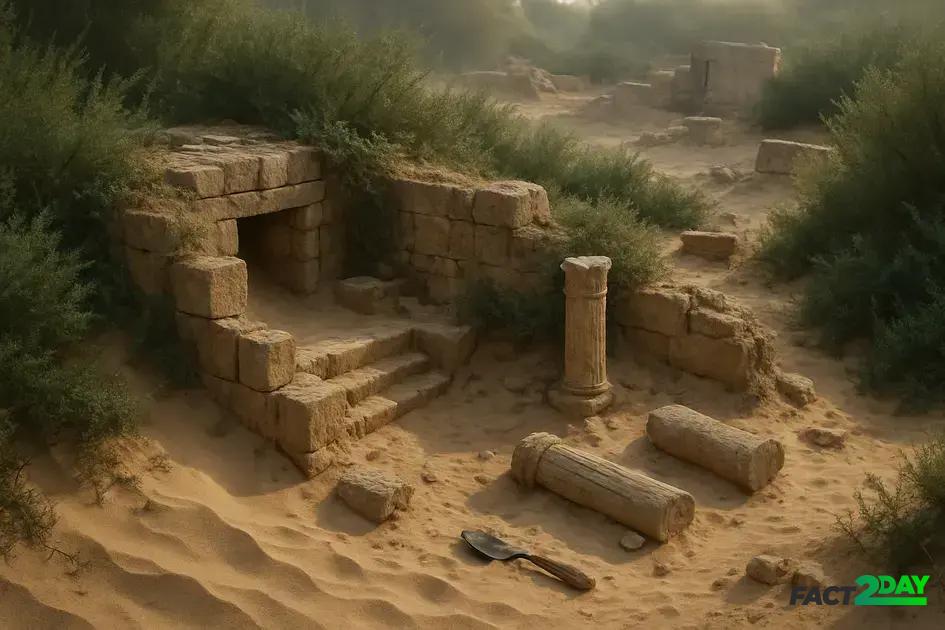
Ancient lost cities are historical sites offering key insights into past civilizations through archaeological discoveries and preservation, revealing cultural, architectural, and societal knowledge crucial for understanding human history.
Have you ever wondered about the secrets buried within ancient lost cities? These forgotten places hold echoes of civilizations that shaped our past, inviting us to explore stories etched in stone and soil.
the allure behind lost ancient cities
The allure behind lost ancient cities lies in their mystery and the glimpse they offer into civilizations that once thrived but vanished over time. These cities, often hidden beneath layers of earth and vegetation, spark curiosity about who lived there and what events led to their disappearance.
Many ancient lost cities are surrounded by legends and folklore, adding to their enchantment. They invite explorers and historians alike to uncover artifacts, architecture, and clues about cultures, technologies, and ways of life that shaped human history. The charm is not only in their ruins but in the stories they tell about human resilience, innovation, and sometimes sudden decline.
Visitors to these sites often feel a connection to the past, walking through streets once bustling with life. These experiences invite reflection on the passage of time and the fragility of civilization. The aesthetic beauty of crumbling structures blended with nature’s reclaiming presence also adds to their captivating atmosphere.
Whether it’s the grand temples of a forgotten kingdom or small dwellings swallowed by desert sands, lost ancient cities hold a timeless appeal. They remind us that beneath the surface of the present lies a rich tapestry of human history waiting to be explored.
archaeological discoveries and what they reveal
Archaeological discoveries in ancient lost cities provide invaluable insights into the cultures, technologies, and daily lives of past civilizations. Excavations often uncover artifacts like pottery, tools, and inscriptions that shed light on how people lived, prayed, and governed themselves centuries ago.
Through careful study of ruins and relics, researchers can reconstruct cities’ layouts, revealing complex urban planning and architectural skills. Some sites demonstrate advanced engineering, such as aqueducts or road networks, suggesting a high level of societal organization and innovation.
Significant finds and their meanings
Items like written records or murals can tell stories about rulers, trade, and religious practices. Sometimes discoveries challenge previous historical understandings, offering new perspectives on ancient societies. For instance, finding evidence of early writing systems or foreign influences hints at connections across regions and cultures.
Archaeological methods like ground-penetrating radar and carbon dating have improved our ability to explore these sites without causing damage. Such tools help locate hidden structures and date objects accurately, preserving history for future research.
These discoveries not only explain the rise and fall of lost cities but also enrich our knowledge of human heritage, teaching us about resilience, creativity, and adaptation over time.
preserving lost cities and why it matters
Preserving lost cities is essential to protect our connection to human history and cultural heritage. These ancient sites hold invaluable evidence of past civilizations’ achievements, lifestyles, and challenges. Without preservation efforts, they risk being destroyed by natural erosion, urban development, and looting.
Conservation methods include stabilizing ruins, controlling visitor access, and using modern technology to document and monitor sites. Preservation not only safeguards physical structures but also helps maintain the context that gives artifacts and architecture their meaning.
Why preservation matters
Protecting lost cities allows future generations to study and appreciate the rich diversity of human culture. They offer lessons on sustainability, engineering, and social organization that remain relevant today.
Furthermore, these sites often support local communities through tourism, promoting economic growth tied to cultural pride. Sustainable preservation balances public access with the need to minimize damage, ensuring that these wonders remain intact for years to come.
Global collaboration among governments, scientists, and organizations strengthens preservation efforts. Sharing knowledge and resources helps combat threats like climate change and vandalism, which endanger these irreplaceable sites.
The lasting significance of ancient lost cities
Ancient lost cities continue to captivate our imagination because they connect us with the past. Through discoveries and preservation efforts, we learn more about human history and the cultures that shaped our world.
Protecting these sites ensures that future generations can explore and understand the achievements and challenges of those who came before us. Their stories remind us of the strength and creativity of human civilization across time.
Whether through archaeology or conservation, our ongoing commitment to these lost cities helps keep history alive and meaningful for all.