Dress to Impress (or Oppress): The Bizarre and Revealing History of Fashion Trends
Historical fashion trends reveal how clothing shaped identities and societies in strange, fascinating ways through the ages.
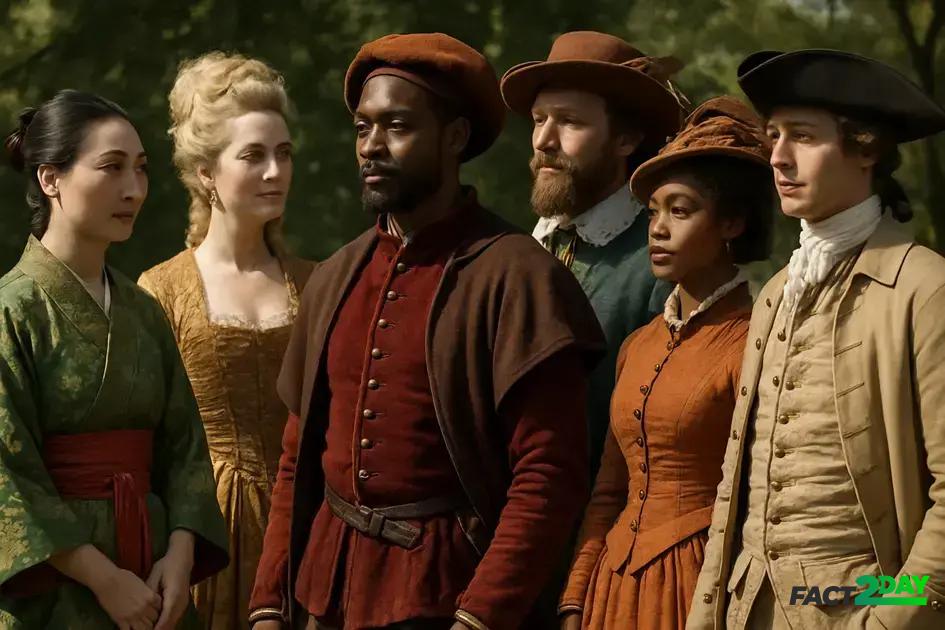
Historical fashion trends reveal how clothing has shaped social identity, expressed cultural values, and communicated power or rebellion through distinct styles and hidden meanings over time.
Historical fashion trends offer a curious window into our past, showing how clothes told stories beyond style. Ever wondered why some outfits felt more like statements of power or rebellion? Let’s explore these captivating tales together.
how historical fashion shaped social identity
Throughout history, fashion has been much more than just clothing; it reflected social identity and status. In many societies, what a person wore revealed their class, profession, and even political allegiance. For example, during the Renaissance, elaborate garments with rich fabrics indicated nobility, while simpler clothes were worn by commoners.
Fashion as a Marker of Class
Distinctive styles served as clear markers, separating the aristocracy from peasants. Sumptuary laws often regulated who could wear certain fabrics or colors, reinforcing social hierarchies. Wearing silk or velvet was a privilege reserved for the wealthy, while lower classes wore plain wool or linen.
Clothing and Political or Religious Identity
Fashion also communicated political or religious identity. In the 18th century, revolutionaries wore simpler, more practical clothing as a rejection of royal excess. Similarly, various religious orders have strict dress codes, using clothing to exhibit commitment and values. Even small details like colors or accessories could signal allegiances.
Understanding how historical fashion shaped social identity helps us see clothes as powerful tools beyond personal style. They told stories of power, belonging, and resistance, influencing how people were seen and how they saw themselves.
unusual garments and their hidden meanings
Many historical garments seem unusual by today’s standards but held deep meanings and functions in their time. For instance, the pannier skirts of the 18th century dramatically widened the wearer’s silhouette, illustrating wealth and social rank by their exaggerated shapes. These designs were often impractical but highly symbolic.
Clothing as a Symbol of Power and Control
Some garments conveyed dominance or control, like the stiff and tight corsets worn by women in Victorian times. Though restrictive, corsets represented ideals of beauty and moral discipline, shaping how society viewed femininity. Similarly, the use of sumptuary laws restricted fabrics and colors to certain classes, reinforcing social order.
Hidden Messages in Dress
Beyond status, clothing sometimes sent subtle or secret messages. In Tudor England, colors and patterns could signal political loyalty, and hidden pockets or layers might conceal items for espionage or rebellion. In some cultures, masks and specific fabrics held spiritual or ceremonial significance, weaving stories into the very fibers of the garments.
Understanding these hidden meanings helps reveal how clothing was not just about fashion but communication, identity, and control across different periods and societies.
the evolution of fashion as cultural expression
Fashion has always been a powerful form of cultural expression, evolving to reflect changes in society, technology, and ideas. From handcrafted garments of ancient times to mass-produced clothing today, fashion tells stories about who we are and the world we live in.
From Tradition to Modernity
Traditional clothing often featured patterns, colors, and shapes tied to cultural identity. As societies changed, so did fashion, adopting new materials and styles. The Industrial Revolution brought machines that made clothing more accessible, shifting fashion toward individuality and trend cycles.
Fashion as a Social Statement
In many eras, fashion expressed rebellion or solidarity. For instance, the 1960s saw youth using clothing choices to challenge social norms, embracing bold designs and colors. Today, sustainable and ethical fashion reflects growing awareness of environmental and social issues, shaping cultural conversations.
The evolution of fashion shows how clothing is more than fabric; it’s a mirror of cultural shifts, values, and identities that continue to change with time.
Understanding Fashion’s Role Through History
Fashion has shaped how people express themselves and connect with culture for centuries. By exploring its history, we see how clothing reflects social status, power, and even rebellion.
Knowing these stories helps us appreciate more than just the look of clothes—they reveal values, identity, and change over time. Whether through unusual garments or evolving styles, fashion remains a powerful way to communicate who we are.
Keeping this in mind allows us to view our own clothing choices as part of a long tradition of cultural expression.