From Farm to Feast: Tracing the Surprising Origins of Your Favorite Historical Cuisines
Discover the rich world of historical culinary origins and how ancient practices shaped your favorite traditional dishes today.
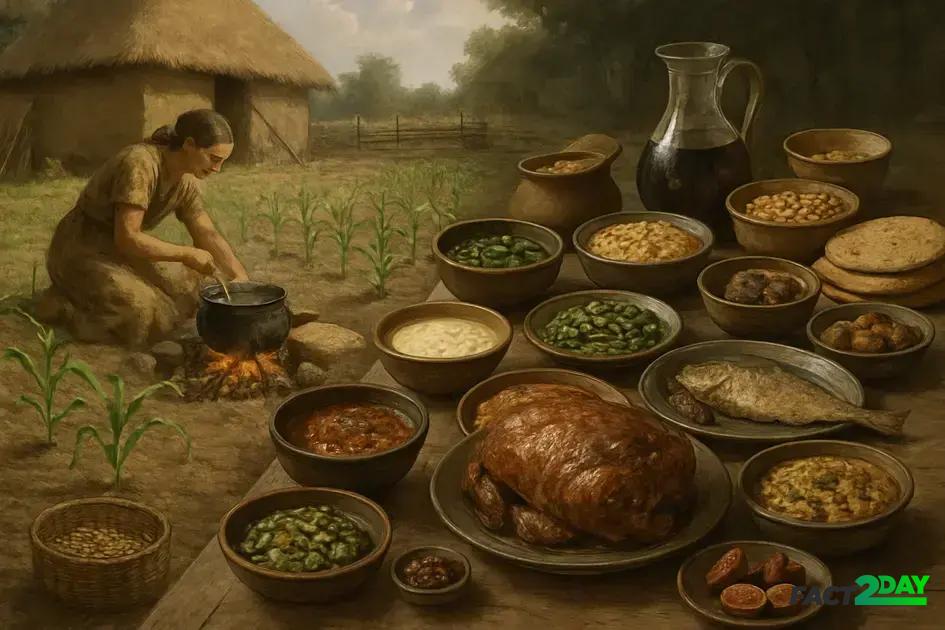
Historical culinary origins trace how ancient agriculture, trade routes, and cultural rituals shaped traditional cuisines, influencing the ingredients, cooking methods, and food customs we know today.
Have you ever wondered about the stories behind the dishes you love? Historical culinary origins reveal a fascinating journey from simple farm ingredients to the complex flavors on our plates. Let’s explore these surprising beginnings together.
The roots of historical culinary origins in ancient agriculture
Ancient agriculture laid the foundation for what we now recognize as historical culinary origins. Early humans transitioned from foraging to farming, cultivating staples like wheat, barley, and rice. These crops not only provided sustenance but also shaped regional cuisines over time. Techniques such as drying, fermenting, and grinding allowed early societies to preserve and transform raw ingredients into more complex dishes.
The birth of staple foods
Farmers in different regions domesticated plants suited to their climates, leading to diverse staples. For example, maize became central in the Americas, while millet and sorghum thrived in Africa. These crops influenced daily meals and cooking methods, embedding themselves deeply in cultures.
Technological innovations and food preparation
Simple tools like grinding stones and pottery enabled ancient peoples to process grains into flours and store food safely. Fire control was crucial, as cooking over open flames improved taste and digestibility. These innovations mark the beginning of culinary arts tied to agriculture.
Understanding ancient farming and food preparation helps us appreciate the rich history behind everyday meals and the evolution of flavors passed down through generations.
How trade and exploration transformed traditional cuisines
Trade and exploration played a crucial role in transforming traditional cuisines around the world. As traders and explorers ventured into new territories, they introduced unfamiliar spices, ingredients, and cooking techniques to different cultures. This exchange enriched local diets and sparked culinary innovation.
The spice trade and its impact
The ancient spice trade connected the East and West, allowing exotic flavors like cinnamon, pepper, and cloves to become staples in many kitchens. These spices not only enhanced taste but also preserved food, changing how meals were prepared and stored.
Cultural exchange through exploration
Explorers brought new foods from the Americas, such as tomatoes, potatoes, and maize, to Europe, Asia, and Africa. The incorporation of these ingredients into traditional dishes led to entirely new recipes and culinary styles that define many national cuisines today.
Understanding this blend of flavors and techniques reveals how historical journeys reshaped food culture, creating the diverse tastes we enjoy now.
Cultural rituals and their impact on historical food practices
Cultural rituals have deeply influenced historical food practices, connecting food with traditions, beliefs, and social customs. Festivals, religious ceremonies, and community gatherings often center around specific dishes, reflecting cultural identity and values passed through generations.
Food as a symbol in rituals
Many cultures use food to symbolize prosperity, health, or spiritual connection. For instance, rice represents fertility in some Asian traditions, while bread holds sacred meaning in various religious rites. These symbolic foods guide how meals are prepared and consumed during important events.
Social bonding through communal meals
Sharing food during rituals strengthens community bonds and preserves culinary heritage. Recipes and cooking methods are often shared orally, ensuring that cultural significance and traditional flavors endure over time.
Recognizing the role of rituals in shaping food helps us appreciate the deep ties between culture and cuisine in history.
Understanding the roots of our food culture
Historical culinary origins reveal how agriculture, trade, and cultural rituals shaped the way we eat today. Each meal carries stories of human innovation, exploration, and tradition.
By appreciating these connections, we can better understand and enjoy the diverse flavors and customs in our favorite dishes.
Embracing this rich culinary history also helps preserve cultural identities and inspires us to keep sharing food in meaningful ways.