Beyond the Game: Exploring the Emerging Metaverse and Its Gaming Implications
The metaverse in gaming opens new worlds where players immerse fully, blending reality with digital adventure in unprecedented ways.
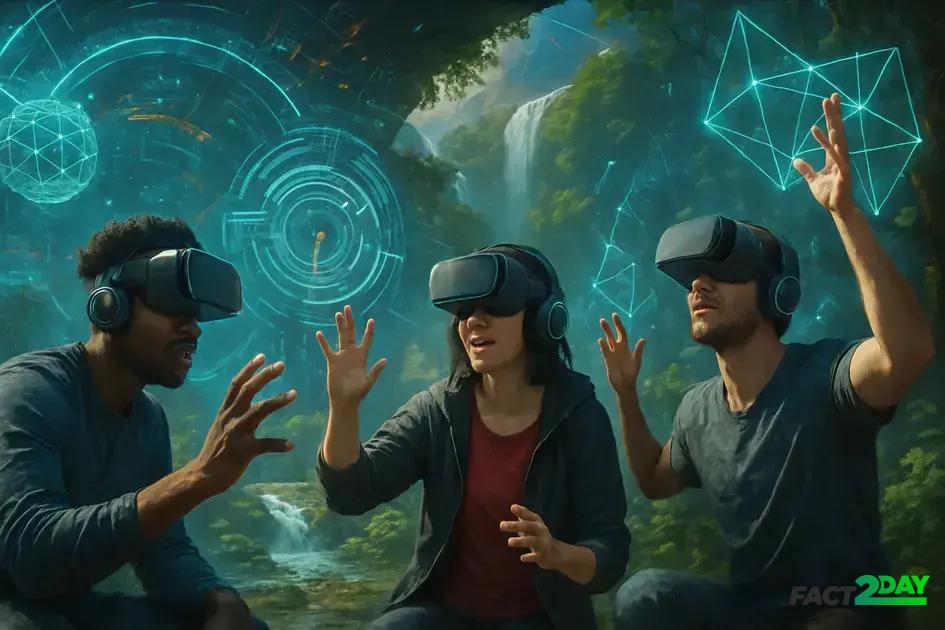
The metaverse in gaming is a growing digital universe where immersive technologies create interactive, persistent worlds enabling social interaction, virtual economies, and personalized experiences beyond traditional gameplay.
Have you ever wondered how the The metaverse in gaming is reshaping the way we play? Imagine stepping beyond the screen into worlds where boundaries blur and interaction deepens. This exploration invites you to discover its unfolding mysteries.
understanding the metaverse in gaming
The concept of the metaverse in gaming goes beyond traditional video games. It is an expansive digital universe where players interact in a persistent, shared 3D environment. Unlike conventional games, the metaverse offers a seamless blend of social interaction, virtual economies, and immersive experiences. Players can create avatars that represent their identity, explore vast virtual worlds, and engage with others in real-time.
Core components of the metaverse
The metaverse relies on technologies like virtual reality (VR), augmented reality (AR), blockchain, and cloud computing to create interconnected spaces. VR provides immersive experiences by enveloping the player in computer-generated environments, while AR overlays digital elements onto the real world. Blockchain supports decentralized ownership of digital assets, often enabling players to buy, sell, or trade items securely.
Differences from traditional gaming
Unlike single-player or server-limited multiplayer games, the metaverse is designed to be persistent and open-ended. Players are not limited by game boundaries and can partake in multiple experiences within one ecosystem. Social interaction is a key element, with features like virtual events, marketplaces, and user-generated content shaping a constantly evolving landscape.
Understanding these foundations helps gamers and developers grasp the profound shift the metaverse brings, moving gaming towards a more immersive and interconnected future.
impact of immersive technologies on player experience
Immersive technologies such as virtual reality (VR), augmented reality (AR), and haptic feedback are transforming player experiences within the metaverse. These tools create a deeper sense of presence, making players feel truly part of the digital world. VR headsets allow users to look around and interact naturally, while AR blends digital elements with the physical environment, expanding gameplay possibilities beyond screens.
Enhancing emotional engagement
By providing sensory inputs and realistic environments, immersive tech increases emotional connection to games. Players can experience intense moments like real fear, excitement, or triumph that feel authentic. This emotional depth enriches storytelling and player investment.
Social interaction and collaboration
Immersive platforms foster more natural social interactions. Avatars can express body language and voice chat simulates face-to-face communication. Players team up, attend virtual events, or create content together, making gaming a social experience beyond competition.
The continuous improvement of immersive hardware and software promises even richer and more accessible metaverse gaming, driving the future of how players connect and play.
future possibilities and challenges in metaverse gaming
The future of metaverse gaming is filled with exciting possibilities and notable challenges. As technology advances, we expect even more immersive worlds with rich storytelling, customizable avatars, and interconnected ecosystems. Players might own digital assets through blockchain, participate in virtual economies, and engage in cross-platform gameplay like never before.
Opportunities for innovation
Developers can create dynamic content that evolves based on player decisions, while AI could personalize experiences uniquely for each user. The metaverse may also blend entertainment with education, social causes, and remote workspaces, expanding gaming’s impact beyond leisure.
Key challenges to address
Ensuring privacy and security is vital, as vast user data and virtual assets become common. Technical hurdles include optimizing performance, reducing hardware costs, and making technology accessible to all players. There are also concerns about digital addiction and maintaining healthy social interactions in virtual spaces.
Balancing these challenges with opportunities will shape how the metaverse revolutionizes the gaming industry and player experiences in the years ahead.
Looking Ahead in Metaverse Gaming
The metaverse in gaming offers a world of new opportunities for players and developers alike. With immersive technology and evolving virtual economies, games are becoming more than just entertainment—they are new spaces for connection and creativity.
However, challenges like privacy, accessibility, and healthy social interaction need careful attention. By addressing these concerns, the metaverse can grow into a vibrant and inclusive space.
As this digital frontier expands, staying informed and adaptable will help players and creators make the most of what lies beyond the game.