When Play Turns Toxic: Addressing Harassment and Addiction in Gaming Culture
Gaming's dark side explores harassment and addiction, revealing how toxic behaviors affect players and what steps can foster safer, healthier communities.
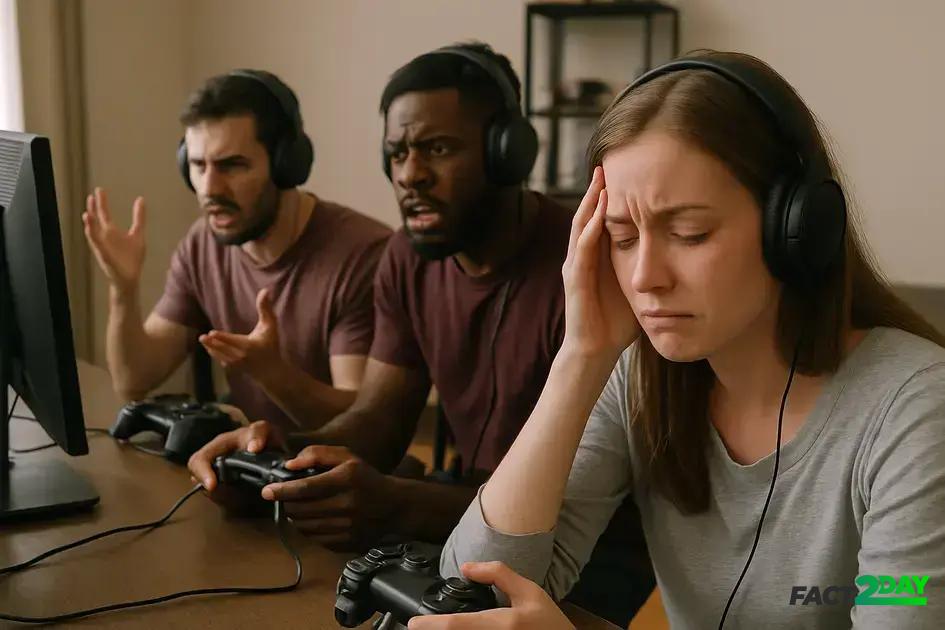
Gaming’s dark side involves harassment and addiction that harm player well-being and community health, requiring strong moderation, education, and supportive environments to create safer, more positive gaming cultures.
Gaming’s dark side often goes unnoticed beneath the thrill of play. Have you ever wondered how harassment and addiction quietly shape gaming culture? Exploring these shadows can help us support healthier spaces for everyone.
understanding harassment in gaming communities
Harassment in gaming communities takes many forms, including verbal abuse, bullying, and targeted attacks. It often occurs in online multiplayer games where anonymity can embolden harmful behavior. Players may face insults related to their skill, gender, race, or personal identity, creating an unsafe environment.
Types of Harassment
Verbal abuse is the most common form and ranges from name-calling to hate speech. Doxxing, or revealing personal information, is a severe violation that threatens a player’s privacy and safety. Trolling disrupts gameplay and community harmony by provoking others through offensive comments or actions.
Impact on Players and Communities
Harassment discourages participation and damages mental health, leading to anxiety, depression, and in some cases, players leaving communities or quitting gaming altogether. It also undermines the spirit of fair play and inclusion, reducing trust among players.
Community and Developer Responses
Many games and platforms have implemented moderation tools and reporting systems to combat harassment. Educating players about respectful conduct and enforcing consequences for offenders help create safer spaces. Community-led initiatives play a crucial role in promoting positive behavior and supporting victims.
the impact of addiction on players’ well-being
Gaming addiction can seriously affect players’ mental and physical health. Spending excessive hours playing can lead to sleep problems, poor nutrition, and reduced physical activity. Over time, this behavior may result in fatigue and weak immune systems.
Mental Health Challenges
Addiction often causes increased stress, anxiety, and feelings of isolation. Players might withdraw from social interactions and responsibilities, worsening depression or other mental issues. Recognizing these signs early is crucial for intervention.
Effects on Daily Life
Excessive gaming can interfere with work, school, and relationships. Players may neglect important tasks or lose interest in activities outside gaming. This imbalance disrupts overall life satisfaction and long-term goals.
Support and Recovery
Developing healthy gaming habits involves setting time limits and seeking professional help when needed. Support groups and counseling can guide players to regain control, balance leisure and duties, and improve their well-being.
strategies to create healthier gaming environments
Creating healthier gaming environments requires a combination of technological, community, and educational strategies. Developers can implement robust reporting and moderation tools to quickly address harassment and toxic behavior. Automated filters and AI-driven monitoring can help detect abusive language before it escalates.
Promoting Positive Community Culture
Encouraging respectful communication and teamwork can dramatically improve player experiences. Community guidelines should be clear and enforced consistently. Reward systems for positive behavior, such as badges or recognition, motivate players to contribute constructively.
Education and Awareness
Teaching players about the impact of toxic behavior and addiction helps foster empathy and responsible gaming. Workshops, in-game tips, and accessible support resources can raise awareness. Educating parents and caregivers also plays a vital role in managing gaming habits for younger players.
Supporting Mental Health
Providing access to mental health resources within gaming communities can aid those struggling with addiction or harassment effects. Collaborations with mental health organizations and hotlines offer players reliable help. Encouraging breaks and balanced gaming schedules supports overall well-being.
Building a Better Gaming Future
Addressing the dark side of gaming means creating spaces where players feel safe and supported. Using strong moderation, positive community building, and education can reduce toxicity and addiction risks.
By working together, developers, players, and communities can make gaming fun and healthy for everyone. Small steps toward respect and balance can lead to big changes in gaming culture.
Let’s foster environments where everyone enjoys the game without fear or harm.