The Unsung Heroes: How Video Game Soundtracks Became a Genre of Their Own
Game soundtracks impact players deeply, turning melodies into memorable experiences that define gaming culture and evoke lasting emotions.
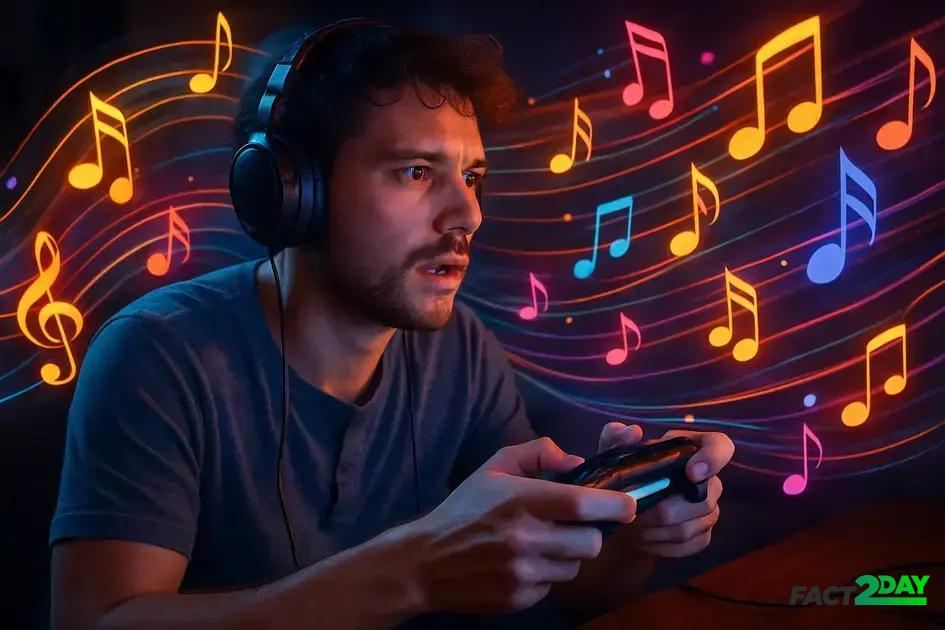
Game soundtracks impact players by shaping emotions and immersion, evolving into a respected musical genre celebrated independently from gameplay.
Have you ever paused a game just to soak in the music? Game soundtracks impact more than just the background—they shape how we feel and remember our digital journeys. What makes these melodies resonate so deeply?
The evolution of video game soundtracks
The evolution of video game soundtracks reflects the rapid advancement of both technology and artistic expression within the gaming world. In the early days, soundtracks were limited by hardware, offering simple beeps and repetitive tunes. However, as technology improved, composers gained the ability to create complex melodies, rich harmonies, and immersive soundscapes.
The beginning: 8-bit and chiptune melodies
During the 1980s, video game music was primarily made using 8-bit sound chips. These created catchy, memorable tunes like those found in classic games such as Super Mario Bros. and The Legend of Zelda. Despite their simplicity, these melodies played a crucial role in defining the character and atmosphere of early games.
Advancements in composition and technology
With the jump to 16-bit consoles and the rise of CDs, soundtracks became more sophisticated, incorporating orchestral elements and recorded audio. Games like Final Fantasy and Chrono Trigger introduced rich, thematic scores that elevated storytelling and emotional engagement.
Modern era: dynamic and immersive music
Today, video game soundtracks often adapt in real-time to player actions and environments. This dynamic music design increases immersion and personalizes the gaming experience. Composers collaborate with live orchestras and use advanced software to blend genres, creating soundtracks that stand alone as powerful musical works.
Video game soundtracks have truly transformed from simple loops to complex compositions that not only enhance gameplay but also resonate deeply with players worldwide.
How soundtracks shape emotional gaming experiences
Soundtracks play a critical role in shaping emotional gaming experiences. Music guides players’ feelings, enhancing tension, joy, sadness, or excitement at just the right moment. This emotional connection makes gameplay more immersive and memorable.
The power of musical cues
Musical cues signal important events or changes in the game world. For example, a dramatic crescendo might alert players to an upcoming boss fight, while a soft, calm melody can create a sense of safety or exploration. These cues help players anticipate and react emotionally to the game’s narrative and challenges.
Creating atmosphere and mood
Background soundtracks set the overall mood and atmosphere. A haunting tune can make a horror game feel eerie and tense, while upbeat tracks can make adventures feel lighthearted and fun. Game composers carefully craft their music to complement visuals and storylines, deepening the player’s immersion.
Personal memory and nostalgia
Many players associate certain soundtracks with personal experiences or milestones within a game. These memories make the music powerful even outside gameplay, creating a lasting emotional bond. Iconic themes like those in Final Fantasy or Halo evoke strong feelings of nostalgia and connection.
Through these methods, soundtracks become more than background noise—they shape how players feel and remember their gaming adventures.
The rise of video game music as a standalone genre
Video game music has gradually gained recognition as a standalone genre, celebrated by fans and musicians alike. Initially crafted solely to accompany gameplay, these compositions are now appreciated for their artistic merit and complexity.
From soundtrack to concert halls
One clear sign of this rise is the emergence of live concerts dedicated entirely to video game music. Events like Video Games Live and full orchestral performances of iconic soundtracks attract massive audiences, showing how game music has transcended its original platform.
Influence on mainstream music
Game composers often blend various musical styles, from classical to electronic, influencing and collaborating with mainstream artists. This cross-pollination enriches both the gaming and music worlds, highlighting video game soundtracks as innovative and trendsetting.
Digital platforms and fan communities
Streaming platforms and social media have helped video game music reach wider audiences. Remixes, covers, and original compositions inspired by game soundtracks flourish in online communities, further cementing the genre’s cultural impact.
These developments underscore how video game music now stands confidently on its own, captivating listeners beyond the gaming experience.
The enduring power of video game soundtracks
Video game music has evolved into a powerful and unique genre that shapes emotions, builds worlds, and connects players deeply with their gaming experiences.
From simple 8-bit tunes to full orchestral performances, these compositions have grown to stand on their own as celebrated art forms.
As the influence of game soundtracks continues to expand, they remind us that music is a key part of what makes gaming unforgettable and meaningful.