The Digital Decay: Why Preserving Video Game History is a Race Against Time
Game preservation challenges reveal why saving video game history feels like a race—our digital memories fade faster than we think.
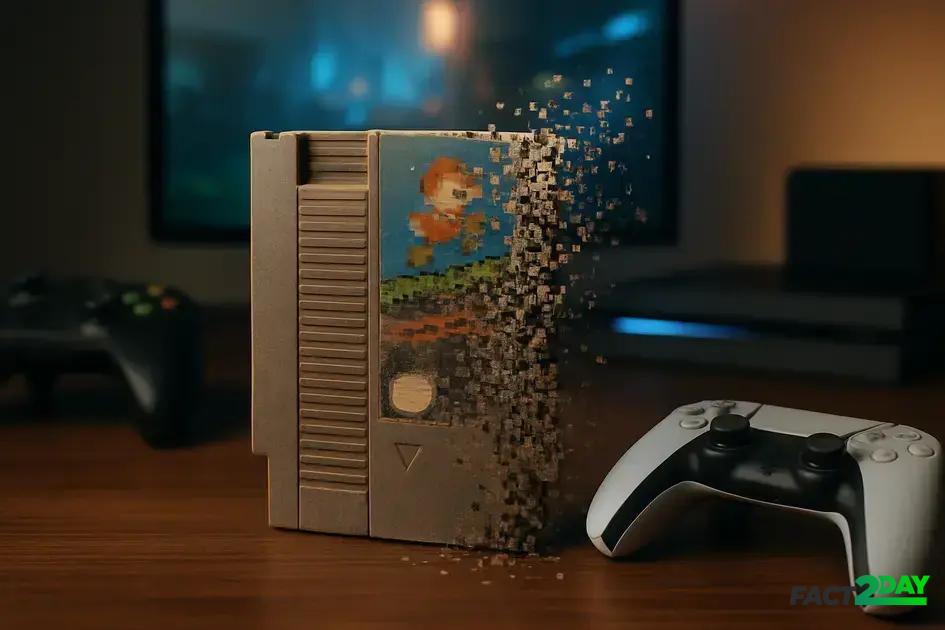
Game preservation challenges involve technical, legal, and community efforts to prevent the loss of video game history caused by hardware obsolescence, software incompatibility, and data decay.
Game preservation challenges invite us to ponder a world where cherished video games might disappear quietly. Have you ever wondered why keeping these digital treasures alive is so complex? Let’s explore together the delicate balance that this digital decay demands.
understanding the fragility of digital games
Digital games face unique risks that threaten their existence over time. Unlike physical media, they depend on specific hardware, software, and online services that can become obsolete quickly. When original consoles or operating systems are no longer supported, games may no longer work as intended, highlighting their fragility.
Data corruption and bit rot are common problems where digital files slowly deteriorate, making game data unusable. Without proper migration to modern formats or backups, these games risk permanent loss. Additionally, licensing issues and copyright restrictions can limit how games are archived and accessed by future generations.
Hardware dependency
Many classic games rely on old consoles or arcade machines that may fail over time. Replacement parts become scarce, making repairs difficult. Emulation offers a way to preserve gameplay, but it faces technical and legal challenges.
Software evolution
Game development tools and programming languages evolve, which may cause older games to be incompatible with new systems. Maintaining playable versions requires continuous updates or virtualization of legacy software environments.
Understanding these fragilities is key to appreciating the efforts of preservationists who work tirelessly to keep gaming history alive despite these obstacles.
techniques to preserve gaming history
Preserving gaming history requires a mix of technical methods and dedicated care. Emulation is one of the most common techniques. It lets modern computers mimic old consoles, allowing classic games to run without original hardware. This helps keep games playable despite aging devices.
Another key method is digital archiving. This involves saving game files, source code, artwork, and manuals in secure, organized databases. These archives protect against data loss caused by damaged physical copies or corrupted files.
Physical preservation
Maintaining original cartridges, discs, and consoles is also vital. Careful storage in controlled environments can slow down deterioration. Collectors and museums often handle this aspect.
Community efforts and documentation
Preservation isn’t only tech-based. Communities contribute by documenting gameplay, creating walkthroughs, and sharing knowledge about rare or hard-to-find games. These efforts build a living history that complements technical preservation.
Combining these techniques is essential to combat the ongoing risk of losing gaming heritage forever.
community efforts and the future of game preservation
Community efforts play a vital role in preserving video game history. Enthusiasts, collectors, and historians collaborate to archive rare games, share knowledge, and document gaming culture. Online forums, fan websites, and social media groups create spaces where old games and memories are preserved and celebrated.
Fan-driven archiving
Many preservation projects start with passionate gamers who upload game files, patches, and translations to keep titles accessible. These grassroots actions often fill gaps left by official channels.
Restoration and modding
Communities also work on restoring damaged games, fixing bugs, or adapting titles for new hardware. Modding communities revive classic games by improving graphics or gameplay, which helps maintain interest over time.
The future of game preservation depends greatly on these ongoing efforts. Collaboration between communities, museums, and industry professionals can create lasting archives and educational resources. Supporting open access and legal frameworks will be key to preserving gaming heritage for generations ahead.
Preserving the legacy of video games
Game preservation challenges remind us that video games are fragile pieces of history that need active care. By understanding their fragility, using modern techniques, and supporting community efforts, we can protect these digital treasures.
Every game saved today becomes a story for future generations to experience. Together, preservationists, gamers, and industry voices can keep gaming history alive and vibrant for years to come.