Beyond Entertainment: The Argument for Video Games as a Legitimate Art Form
Games as art invites us to explore video games beyond fun, opening doors to creativity and cultural expression like no other medium.
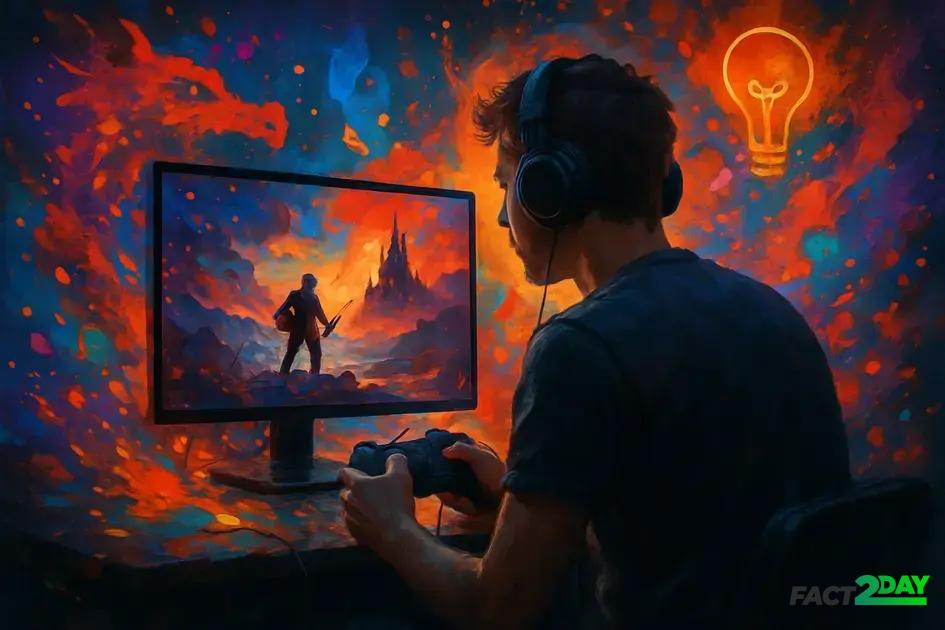
Games as art recognize video games as immersive, interactive works combining storytelling, visuals, music, and player choice to create powerful cultural and emotional experiences.
Have you ever paused to consider how games as art might shape not just entertainment but also creativity and culture? This idea challenges us to see video games through a new lens, revealing their deeper layers.
the evolution of video games as an art form
The evolution of video games as an art form traces back to the earliest pixelated creations, which, despite their simplicity, sparked imagination and storytelling. Over decades, technological advances have transformed games from basic entertainment into complex, immersive experiences.
Early Beginnings and Creativity
Initial games relied heavily on gameplay mechanics rather than visual sophistication. However, even simple pixel art and chiptunes conveyed unique artistic visions. These foundations paved the way for games as art, showing how limited tools can inspire creativity.
Technological Advancements and Storytelling
As graphics and sound improved, developers gained more tools to craft rich narratives and vivid worlds. Modern games now combine visual artistry, music, and writing to evoke deep emotional responses, much like traditional art forms do.
Recognition and Impact
The growing appreciation for video games as a legitimate art form is seen in exhibitions, academic studies, and even museums dedicating space to this medium. This shift reflects how games have evolved beyond play, becoming a cultural and artistic expression that influences society and future creators.
how games engage player emotions and storytelling
Video games use powerful storytelling techniques combined with interactive gameplay to engage players emotionally. Unlike passive media, games require active participation, creating a unique bond between the player and the narrative.
Immersive storytelling and player choice
Games often let players make meaningful decisions that influence the story’s outcome. This interactivity makes players feel deeply connected to the characters and events, heightening emotional investment.
Music, visuals, and atmosphere
The combination of dynamic soundtracks, detailed visuals, and atmospheric design helps establish mood and amplify emotions. These elements work together to create moments of tension, joy, sadness, or triumph.
Relatable characters and themes
Strong characterization and relatable themes make stories resonate with players. Games explore complex issues such as identity, loss, and morality, encouraging players to reflect and empathize.
Overall, the blend of narrative depth and interactive engagement defines why games as art can evoke powerful emotional experiences similar to other artistic forms.
the cultural impact and future of games as artistic expression
Video games have become a significant cultural force, influencing art, music, fashion, and social interactions worldwide. Their role as a form of artistic expression grows as more creators use games to explore diverse stories and perspectives.
Games shaping modern culture
From inspiring fan art to shaping popular music and fashion trends, games as art have a broad cultural impact. They create communities where people share experiences and express themselves creatively.
Educational and societal influence
Games also play an important role in education and social change. Interactive storytelling can raise awareness about important issues, promote empathy, and offer new ways to learn.
The future of games as an art form
As technology advances, the potential for games as artistic expression expands. Virtual reality and AI promise even more immersive experiences, while indie developers continue pushing boundaries with innovative ideas and personal stories.
The ongoing evolution of games ensures they will remain a powerful medium for cultural dialogue and creative exploration.
Embracing the artistic potential of video games
Video games have grown into a powerful medium that blends creativity, storytelling, and technology. Recognizing games as art allows us to appreciate their cultural importance and emotional depth.
As the industry advances, games will continue to inspire, educate, and connect people worldwide. Embracing this art form opens new doors for innovation and expression in the digital age.