The Great Food Debunk: Unmasking the Most Stubborn Food Myths
Food myths and facts revealed: uncover common misconceptions around eating habits that shape your health and choices every day.
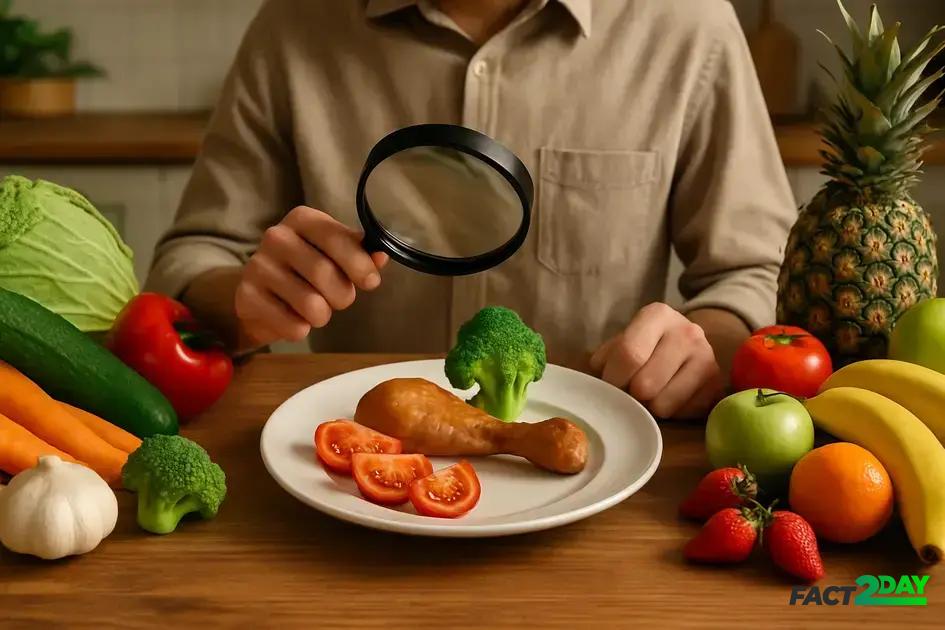
Food myths and facts reveal that many common beliefs are based on misunderstandings, while scientific research clarifies true nutrient roles and guides informed dietary choices for better health.
Food myths and facts often blur the line between truth and fiction in our everyday choices. Have you ever wondered which beliefs about food really hold up when you look deeper?
common food myths debunked
Many common beliefs about food are based on myths rather than facts. For example, the idea that eating carrots drastically improves your eyesight is widely accepted, but in reality, carrots only support eye health due to their vitamin A content; they don’t give you super vision. Another popular myth is that drinking cold water slows digestion, which has no scientific backing. It’s also a misconception that all fats are bad for you—healthy fats like those in avocados and nuts are essential for brain function and overall well-being.
Separating Fact from Fiction
Understanding where these myths come from helps us make better choices. Sometimes, a myth starts from a kernel of truth but gets exaggerated over time. For instance, while sugar doesn’t directly cause hyperactivity in children, excessive consumption of sugary snacks can lead to other health issues. Always look for reliable sources and scientific evidence when evaluating food claims.
Impact on Daily Life
Believing in food myths can lead to unnecessary restrictions or poor nutrition. People might avoid certain foods thinking they’re harmful, missing out on important nutrients. Being informed helps you create a balanced diet that supports your health without falling for misleading advice.
scientific facts behind popular beliefs
Many popular beliefs about food are grounded in incomplete or misunderstood science. For instance, the idea that eating eggs raises cholesterol has been challenged by recent research. Studies show that dietary cholesterol has a smaller impact on blood cholesterol levels than previously thought. Instead, saturated and trans fats have a greater effect on heart health.
Nutrients and Their Role
Carbohydrates, proteins, and fats each play unique roles in the body. Carbs are the primary energy source, while proteins build and repair tissues. Fats, especially unsaturated fats, support brain health and hormone production. Understanding these facts helps counter myths like “carbs make you gain weight” which oversimplifies how the body uses energy.
How Research Guides Our Choices
Scientific studies use controlled methods to test food effects, helping us separate myths from facts. For example, research on antioxidants found in fruits and vegetables confirms their benefits in reducing oxidative stress and inflammation, supporting overall health. This evidence is crucial in making informed choices about diet, beyond just trends or hearsay.
practical tips for navigating food information
In today’s world, there is a flood of information about food, making it hard to know what to trust. Start by checking the source—reputable organizations like nutrition institutes and universities provide reliable data. Avoid relying solely on social media or unverified blogs, as these can spread myths.
Read Labels Carefully
Food labels contain important information about ingredients, nutrition facts, and allergens. Learning to read them helps you make healthier choices. Look for hidden sugars, saturated fats, and artificial additives that might affect your diet.
Ask Questions and Stay Curious
Whenever you come across a new food claim, ask yourself: Is there solid evidence behind it? Search for scientific studies or expert opinions to back up the statements. It’s also helpful to consult with a registered dietitian when in doubt, as they can guide you based on your personal needs.
Practical habits like these empower you to navigate conflicting food information and build a diet that suits your lifestyle and health goals.
Understanding food myths and making informed choices
Separating fact from fiction about food is key to living a healthy life. By learning the scientific facts behind popular beliefs and using practical tips to find trustworthy information, you can avoid being misled.
Being curious and careful with where you get your food advice helps you build a balanced diet that supports your well-being. Remember, not everything you hear is true, so take time to check facts before making decisions.
Empowering yourself with knowledge lets you enjoy your meals without confusion and make choices that truly benefit your health.