The Art of No Waste: Ingenious Ways Cultures Used Every Bit of Food
Discover smart food waste solutions inspired by cultures that have mastered using every bit of food, helping you live more sustainably.
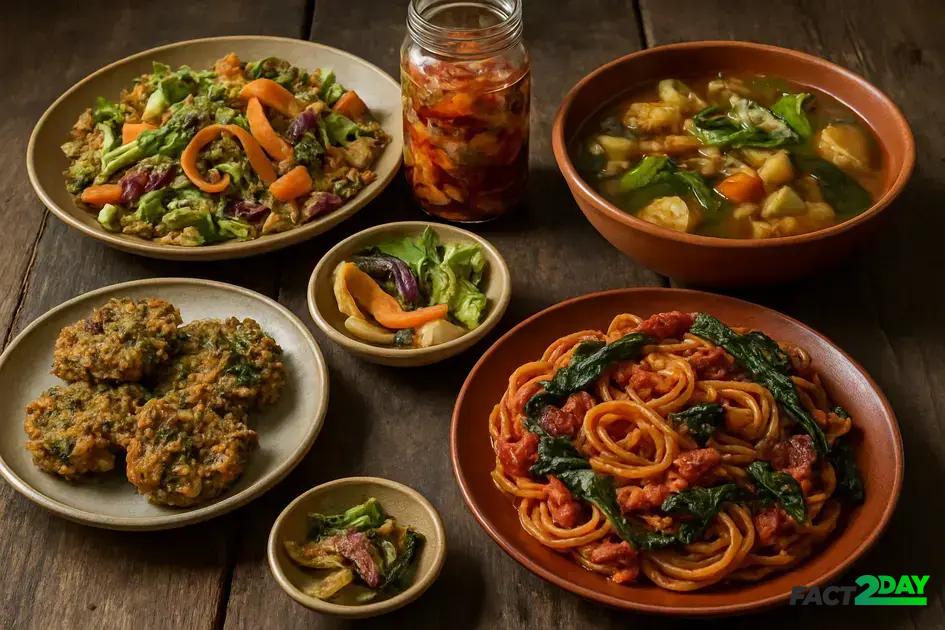
Food waste solutions involve traditional and modern methods like fermentation, drying, and creative reuse of leftovers to minimize waste, preserve food, and promote sustainability.
Have you ever wondered about food waste solutions rooted deeply in tradition? Many cultures have long embraced ways to use every part of their food, turning scraps into treasure. Let’s explore some inspiring examples that might change how you see leftovers.
traditional methods of food preservation and reuse
Traditional methods of food preservation and reuse have been essential for cultures worldwide to minimize waste and extend the life of food. Techniques such as drying, fermenting, smoking, and pickling not only preserved food but also enhanced flavors. For example, fermentation has been used for centuries to transform vegetables, dairy, and even fish into long-lasting, nutritious foods.
Drying and Smoking
Drying removes moisture that bacteria need to grow, making it an effective preservation method. Many communities sun-dry fruits, herbs, and meats. Smoking imparts flavor and preserves food by exposing it to smoke from burning wood, which also has antimicrobial properties.
Fermentation and Pickling
Fermentation relies on beneficial bacteria to convert sugars into acids, preserving food and adding probiotics. Sauerkraut, kimchi, and yogurt are well-known fermented foods. Pickling uses vinegar or brine to create an acidic environment that inhibits spoilage, allowing cucumbers, eggs, and other ingredients to last longer.
Reuse of leftovers was also common: many cultures developed recipes specifically for using every part of ingredients, reducing waste while creating unique dishes. Bone broths, vegetable stock from peels and stems, and bread pudding are examples of this resourcefulness.
cultural dishes born from food scraps and leftovers
Many cultures have turned food scraps and leftovers into unique and delicious dishes, showcasing creativity and respect for resources. In Italy, for example, panzanella is a salad that uses day-old bread soaked in vinegar and mixed with fresh vegetables, preventing waste. Similarly, French cuisine offers ratatouille, which often utilizes leftover vegetables stewed together.
Using Stale Bread and Vegetables
Stale or excess bread finds new life in dishes like bread pudding, croutons, or soaked salads. Leftover vegetables are combined to create stews and soups, maximizing their flavors and nutrients without waste.
Transforming Meat Scraps
Meat scraps and bones are commonly used to prepare rich stocks and broths. In many Asian cultures, leftover rice is fried with vegetables and eggs to make filling meals like fried rice, turning what might be discarded into a main dish.
These dishes not only reduce food waste but also tell stories of tradition and practical living. They teach us how to appreciate every ingredient and inspire sustainable cooking habits today.
modern applications of ancient food waste solutions
Modern kitchens and sustainable food businesses are reviving ancient food waste solutions to reduce environmental impact and cut costs. Techniques like fermenting foods are now used not only for preservation but also for creating probiotic-rich products that enhance health.
Technology Meets Tradition
Advanced technologies help scale traditional methods. For example, commercial food fermentation uses precise temperature and humidity controls to produce consistent products such as kombucha and kimchi. Similarly, dehydration techniques have evolved with modern equipment, allowing for efficient drying of fruits and vegetables.
Creative Culinary Uses
Chefs incorporate leftover ingredients into gourmet menus, transforming scraps into appealing dishes. Zero-waste cooking emphasizes using every part of an ingredient, from root to leaf. Companies transform food scraps into upcycled snacks, flour, or animal feed, reducing landfill waste.
Urban farming and composting are also vital parts of modern approaches, turning kitchen waste into nutrient-rich soil. These methods reflect a full-circle approach to food that honors age-old wisdom while leveraging current innovations.
Embracing the wisdom of no waste
Learning from traditional food waste solutions reminds us how much value lies in every part of our food. These age-old techniques continue to inspire modern practices that help protect the planet and save resources.
By adopting these strategies, whether through preservation, creative cooking, or sustainable innovations, we can all play a role in reducing food waste. Small changes in how we handle food can lead to big benefits for both our health and the environment.
Ultimately, embracing the art of no waste empowers us to be more mindful, resourceful, and connected to the food we eat.