Your Second Stomach: How the Gut Microbiome Shapes Your Health and Mind
Explore the food and gut microbiome connection to understand its vital role in your health and mental well-being naturally.
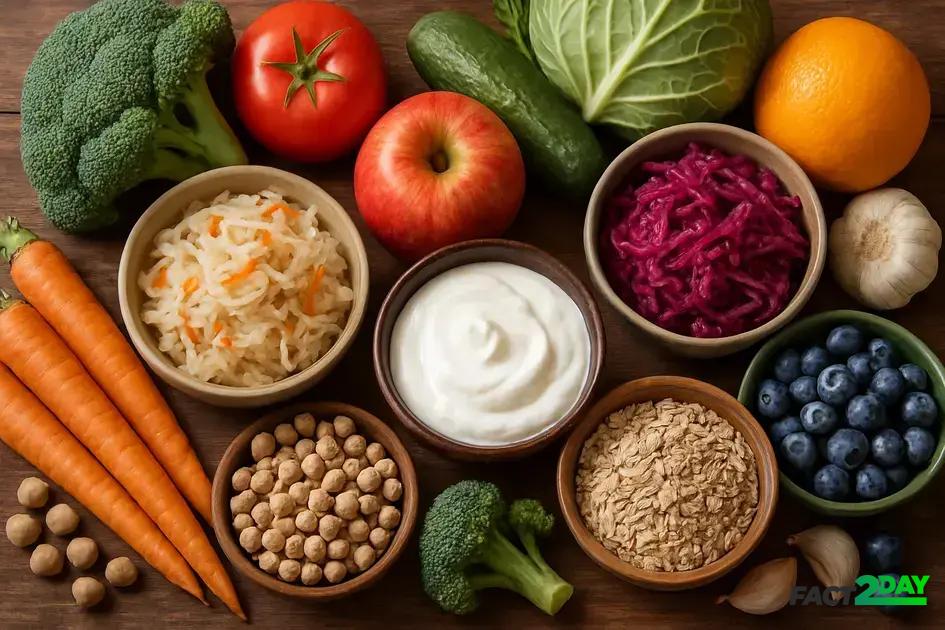
The food and gut microbiome connection involves how diet impacts the balance of gut bacteria, which influences digestion, immunity, and mental health through beneficial microbes supported by fiber, fermented foods, and whole ingredients.
Have you ever wondered about the food and gut microbiome connection? It quietly shapes much of your health—from how you digest to even how you feel emotionally. Let’s explore this fascinating world together.
understanding the gut microbiome and its functions
The gut microbiome is a complex community of trillions of microorganisms living in your digestive tract. These tiny organisms, including bacteria, viruses, and fungi, work together to support digestion by breaking down food components your body cannot digest alone. They also play a crucial role in producing vitamins like B and K and contribute to immune system function by protecting against harmful bacteria.
Each person’s gut microbiome is unique, influenced by genetics, diet, environment, and lifestyle. A balanced microbiome helps maintain gut lining integrity and reduces inflammation, which is linked to many chronic diseases. An imbalanced or disrupted gut microbiome can lead to digestive issues like bloating, diarrhea, or constipation, and may even affect mental health due to the gut-brain connection.
Key Functions of the Gut Microbiome
- Digestion and nutrient absorption: Microbes assist in breaking down fibers and complex sugars.
- Immune system regulation: They help train the immune system to recognize threats and avoid overreactions.
- Metabolic regulation: Gut microbes influence metabolism and energy balance.
- Communication with the brain: producing neurotransmitters and affecting mood and cognition.
Understanding these functions helps highlight the importance of maintaining a healthy gut microbiome for overall wellness.
how food influences the gut microbiome balance
The foods you eat have a direct effect on the diversity and balance of your gut microbiome. A diet rich in fiber, fruits, vegetables, and fermented foods supports the growth of beneficial bacteria. These bacteria ferment fibers into short-chain fatty acids that nourish the gut lining and reduce inflammation.
On the other hand, a diet high in processed foods, sugars, and unhealthy fats can disrupt this balance, leading to dysbiosis—an imbalance linked to digestive issues, obesity, and even mental health problems.
Impact of Different Food Types
- Prebiotics: Non-digestible fibers found in foods like garlic, onions, and bananas feed good bacteria.
- Probiotics: Live bacteria in fermented foods like yogurt, kimchi, and sauerkraut help replenish beneficial microbes.
- Polyphenols: Antioxidants in berries, nuts, and green tea support the gut microbiome by promoting healthy bacterial growth.
- Unhealthy foods: High-fat, high-sugar diets promote harmful bacteria and inflammation.
Making conscious food choices can enhance your gut microbiome balance, improving digestion, immune response, and even mood regulation.
practical ways to nurture your gut health through diet
Supporting your gut health through diet is both simple and effective. Start by including a variety of foods rich in prebiotics and probiotics. Prebiotics, like those found in garlic, onions, and asparagus, feed beneficial bacteria. Probiotics from yogurt, kefir, and fermented vegetables help introduce healthy bacteria directly into your system.
Another key habit is to choose whole, unprocessed foods over processed items high in sugar and unhealthy fats. Whole grains, fruits, and vegetables provide essential nutrients and fibers that promote a balanced gut environment.
Additional Tips for Gut Health
- Stay hydrated: Drinking enough water helps maintain the mucosal lining of the intestines.
- Limit antibiotics: Use them only when necessary, as they can disrupt gut bacteria.
- Manage stress: High stress affects gut health negatively through the gut-brain axis.
- Regular exercise: Helps increase microbial diversity for a healthier gut.
By cultivating these habits, you can actively nurture your gut microbiome and improve digestion, immunity, and overall well-being.
Understanding and caring for your gut microbiome
The connection between food and your gut microbiome plays a vital role in your overall health and well-being. By choosing a diet rich in fiber, fermented foods, and whole ingredients, you can support a balanced and diverse gut environment.
Simple lifestyle habits like staying hydrated, managing stress, and exercising also contribute to nurturing your gut health. These actions can improve digestion, boost immunity, and even influence your mood and mental clarity.
Taking small, consistent steps to care for your gut can lead to big benefits, helping you feel better every day from the inside out.