From Hunter-Gatherer to Farmer: How Agriculture Changed Human Health (for Better and Worse)
Explore the nuanced effects of The impact of agriculture on human health, revealing benefits and challenges shaping our evolution.
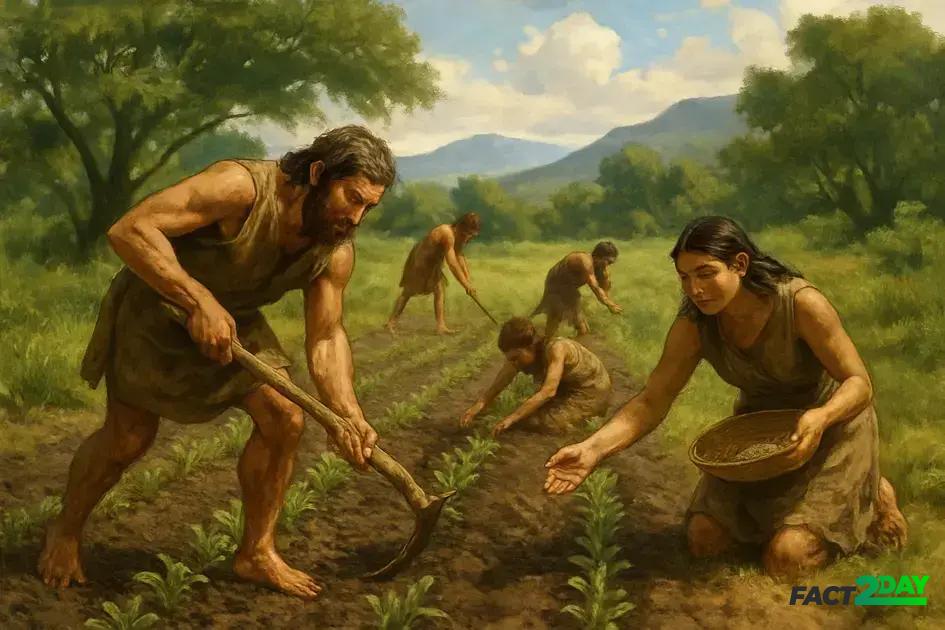
The impact of agriculture on human health includes shifts to carbohydrate-rich diets with nutritional deficiencies, increased infectious diseases from dense settlements and livestock, and long-term changes in physical health, immunity, and social structures shaped by farming lifestyles.
Have you ever wondered how The impact of agriculture on human health shaped our ancestors’ lives? Transitioning from hunter-gatherers to farmers brought profound changes, not all of them positive. Let’s unravel this complex story together.
How agriculture altered human diet and nutrition
The shift from a hunter-gatherer lifestyle to settled farming brought major changes to human diet and nutrition. Early agricultural societies relied heavily on a limited range of staple crops, like wheat, barley, rice, and maize. This shift led to diets richer in carbohydrates but often deficient in protein and essential vitamins compared to the diverse wild foods hunter-gatherers consumed.
Reduction in Dietary Diversity
Before farming, humans ate a wide variety of plants, fruits, nuts, seeds, and animal proteins. Agriculture narrowed this diversity, focusing mostly on a few cultivated species. This change often resulted in nutritional deficiencies, such as a lack of vitamin C, iron, and other micronutrients. Populations became vulnerable to conditions like anemia and scurvy.
Increased Caloric Intake and Food Surpluses
Farming enabled communities to produce food surpluses, supporting larger populations and more complex societies. Despite nutritional imbalances, increased calories helped sustain growing populations. Cereals and grains became dietary staples, providing sustained energy but less overall nutritional balance.
Changes in Food Preparation and Consumption
The rise of agriculture introduced new food processing techniques, such as grinding grains into flour and cooking with fire. These methods improved digestibility but could also reduce nutrient availability. The dependence on cultivated crops shaped eating habits, social structures, and even cultural traditions linked to food.
The rise of diseases linked to farming lifestyles
The transition to agriculture introduced new health challenges, leading to the rise of diseases linked to farming lifestyles. Dense settlements and reliance on domesticated animals created ideal conditions for infectious diseases to spread among humans. Close contact with livestock increased the risk of zoonotic diseases, which jumped from animals to people.
Infectious Diseases and Population Density
Permanent villages had higher population densities than nomadic groups, allowing contagious diseases like tuberculosis, measles, and smallpox to persist and evolve. These illnesses were rare or unknown in hunter-gatherer times due to low population sizes and mobility.
Nutritional Deficiencies and Dental Problems
Farming diets often lacked variety, causing nutritional deficiencies such as iron-deficiency anemia and vitamin shortages. One common issue was an increase in dental caries and enamel wear, resulting from high starch consumption and grinding techniques.
Workload and Physical Stress
Farming required repetitive physical labor, leading to a rise in musculoskeletal problems. Evidence from skeletal remains shows increased spinal stress, arthritis, and joint degeneration compared to hunter-gatherers.
Long-term health consequences of agricultural societies
The rise of agricultural societies brought long-term health consequences that shaped human biology and social structures. The shift to farming led to changes in stature, immunity, and life expectancy over generations.
Changes in Physical Health and Stature
Archaeological evidence shows that early farmers were often shorter and experienced more bone disorders than hunter-gatherers. This reflected poorer diet diversity and higher physical stress. Farming communities faced osteoporosis and growth disruptions more commonly due to nutrient limitations.
Evolution of Immunity and Disease Resistance
Living in denser populations increased exposure to infectious diseases, which influenced human immune system evolution. Over time, some populations developed greater resistance to certain diseases, but chronic infections remained a challenge.
Social and Psychological Impacts
Permanent settlements led to complex social hierarchies and labor divisions. This created stress and inequality, which affected mental health and overall well-being. The dependency on crops also made societies vulnerable to famine and social unrest.
Understanding the lasting effects of agriculture on health
The shift to farming changed human health in many significant ways, from diet to disease and social life. While agriculture allowed societies to grow, it also brought new challenges like nutritional shortages and infectious diseases.
These changes shaped our evolution and continue to influence health today. By learning from this history, we can better appreciate the balance between the benefits and drawbacks of our farming roots.
Recognizing these long-term effects helps us make smarter choices for future health and well-being in an ever-changing world.