Beyond Refrigeration: The Strangest Ancient Food Preservation Methods
Food preservation bizarre methods reveal strange ancient ways to keep food edible, offering curious lessons beyond modern refrigeration.
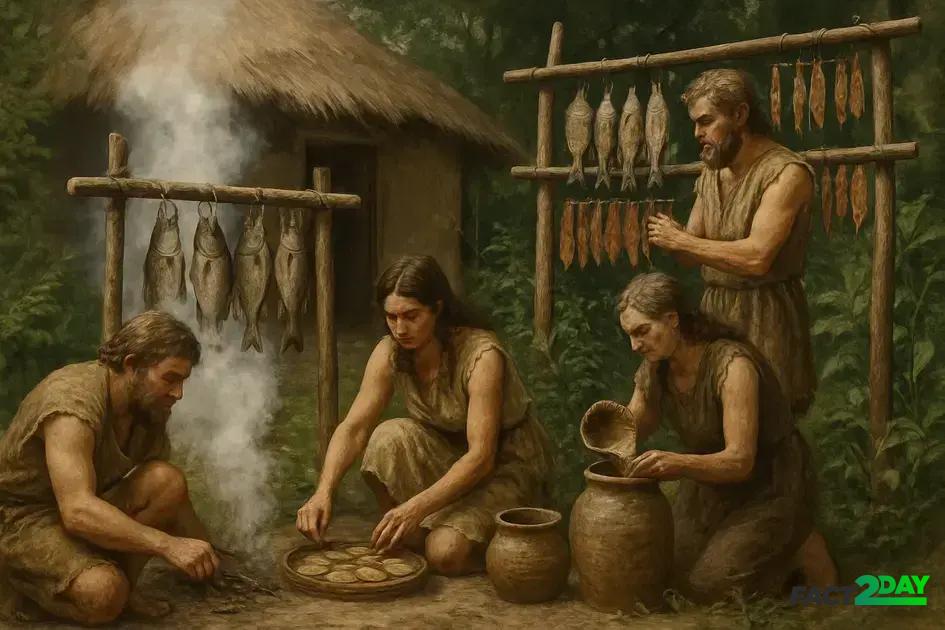
Food preservation bizarre methods include ancient techniques like drying, fermenting, smoking, and salting that naturally extended food shelf life, influenced daily life, and offer valuable lessons for modern sustainable cooking.
Have you ever wondered about Food preservation bizarre methods from ancient times? Some techniques seem strange today but reveal fascinating details about human ingenuity and survival. Let’s explore these curious approaches and what they mean for us now.
strange natural techniques used in ancient times
Ancient people relied on strange natural techniques to preserve their food long before refrigeration existed. One common method was drying, where fruits, meats, and fish were exposed to sun and wind, removing moisture that causes spoilage. Another surprising technique was fermenting, which uses natural bacteria to transform food, enhancing flavor and extending shelf life. For example, ancient cultures fermented vegetables and dairy to create early versions of sauerkraut and yogurt.
Smoking food over fires was also widespread. The smoke contains chemicals that act as preservatives and add unique flavors. This method was key for preserving meats in many regions around the world. Salting was a simple yet effective approach, where layering food in salt crystals drew out moisture and created an environment inhospitable to bacteria.
Some civilizations used more unusual methods such as burying food underground in cool, dry soils or storing it in sealed clay jars to control humidity and protect from pests. These techniques showcase human creativity in utilizing natural resources to overcome preservation challenges, ensuring food availability during lean seasons or long travels.
how unusual preservation methods affected daily life
Unusual preservation methods deeply shaped daily life in ancient communities. These practices influenced not only what people ate but also their social and economic routines. For example, fermenting and drying food allowed storage for months, reducing the urgency of daily hunting or gathering. This gave people more stability and time to focus on crafts, trade, and community building.
Methods such as smoking or salting required specialized skills and tools, creating roles for experts within societies. Food preservation also affected diet variety, as preserved foods were often staples during seasons when fresh produce was scarce. In some cultures, preserved foods became part of rituals and celebrations, symbolizing abundance and survival.
Storage techniques often dictated household setups, with dedicated spaces like cool cellars, smokehouses, or underground pits. These areas were vital for maintaining food safety and quality, influencing architectural designs and community planning. Overall, the need for preservation made ancient people’s daily choices, habits, and technologies revolve around extending food life with whatever resources they had.
lessons modern cooks can learn from ancient bizarre ways
Modern cooks can gain valuable insights from ancient bizarre food preservation methods. These techniques often focus on natural processes and resourcefulness, which align well with today’s interest in sustainable cooking and reducing food waste. For example, fermentation not only preserves food but also enhances flavors and adds health benefits through probiotics. Many chefs now embrace fermented ingredients like kimchi, miso, and kombucha to create unique dishes.
Another lesson is the use of smoking and curing. These time-tested methods add complex tastes without relying on artificial preservatives. Learning to control temperature and smoke levels can help modern cooks craft artisan products such as smoked cheeses and meats. Salting remains a simple yet effective way to preserve and flavor, encouraging cooks to experiment with different salts and curing times.
Understanding the science behind these methods can inspire innovation in kitchens, encouraging experimentation with age-old techniques adapted for modern appliances. Additionally, these preservation practices promote seasonality and local sourcing, since they help store surplus harvests and prevent spoilage. In a world increasingly focused on organic and natural foods, revisiting ancient preservation wisdom benefits both taste and sustainability.
Embracing ancient methods for modern benefits
Exploring ancient and strange food preservation methods offers more than just historical insight—it provides practical ideas for today’s cooks. These natural and resourceful techniques can improve flavor, reduce waste, and connect us to sustainable traditions.
By experimenting with fermentation, smoking, and salting, modern cooks can unlock new tastes while honoring time-tested wisdom. Understanding these methods also helps us appreciate how food preservation shaped daily life and culture in the past.
Overall, blending ancient practices with modern kitchens encourages creativity, sustainability, and a deeper connection to our food.