The Deceptive Delicious: Common Edible Plants with Hidden Toxicities
Edible plants with hidden dangers may surprise you. Discover common plants that look safe but harbor toxic secrets affecting health.
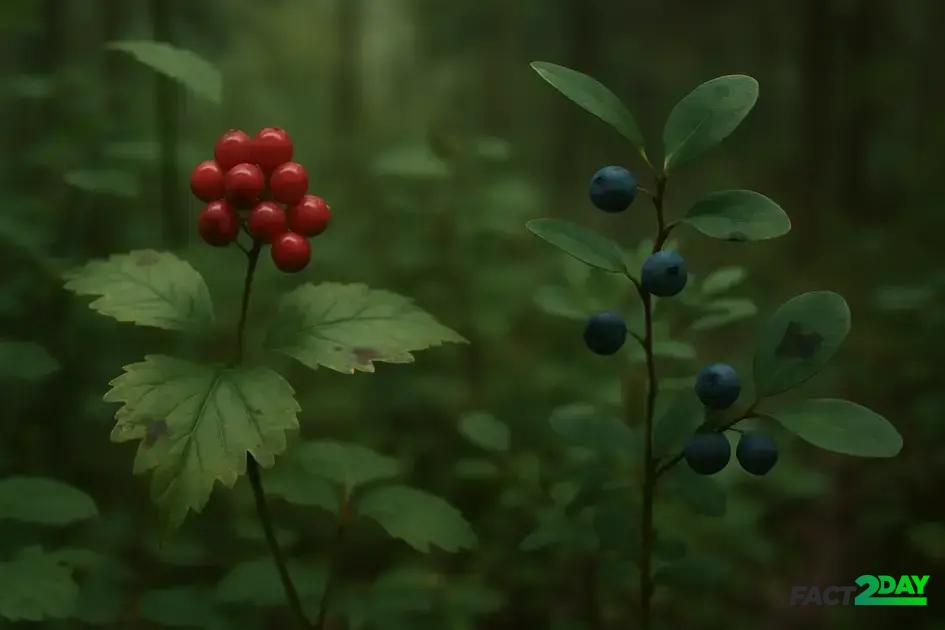
Edible plants with hidden dangers often have toxic parts or require specific preparation to avoid poisoning, making accurate identification and safe handling essential for consumption.
Have you ever wondered about the risks behind nature’s bounty? Edible plants with hidden dangers often appear harmless, yet some conceal toxic traits that catch many off guard. Let’s explore these deceptive delicacies together.
Recognizing common edible plants with toxic parts
Many edible plants contain parts that are toxic if consumed improperly. For example, rhubarb stalks are safe to eat, but their leaves contain oxalic acid, which is poisonous. Similarly, potato tubers that have turned green or sprouted contain solanine, a harmful compound. Recognizing these toxic parts is crucial to avoid accidental poisoning.
One way to identify potential dangers is learning which parts of a plant are safe. Take elderberries as another example: ripe berries are edible when cooked, but leaves, stems, and unripe berries contain toxic cyanogenic glycosides that can cause nausea and vomiting. Understanding these distinctions helps prevent health risks.
Always rely on trusted plant guides or expert advice before foraging or eating wild plants. Pay attention to characteristics like color, texture, and growth patterns of different parts of the plant. When in doubt, avoid consuming unfamiliar plants or any suspicious parts. Simple knowledge about the safe and toxic components can protect you and your family from hidden dangers.
Understanding the risks of foraging wild plants
Foraging wild plants can be rewarding, but it carries significant risks if you are not careful. Many wild plants look similar to edible varieties but contain toxic substances that can cause serious harm. It is important to have solid knowledge before collecting any wild plants.
Misidentification is one of the biggest dangers. Some poisonous plants closely resemble edible ones. For example, water hemlock looks like edible parsnip but is extremely toxic. Learning key identification traits reduces the chance of confusion.
Another risk involves environmental contamination. Wild plants may absorb pollutants, pesticides, or heavy metals from soil or water, making them unsafe to eat. Always forage in clean, uncontaminated areas and avoid plants near roads or industrial sites.
Eating parts of plants that are not safe for consumption is also a concern. Certain berries or leaves may be harmful unless cooked or prepared properly. Research preparation methods thoroughly before consuming wild harvests.
Because of these risks, consider taking a foraging course or consulting experts. When in doubt, it’s safer to avoid unknown plants. Respect for nature and caution can help you enjoy wild foods safely.
Practical tips for safe consumption and identification
When dealing with edible plants that have hidden dangers, following practical tips for safe consumption and identification is essential for preventing harm. First, always use a reliable plant identification guide or app to confirm the plant species before consuming any wild or unfamiliar plants. Never rely solely on memory or hearsay.
Another important practice is to learn about the edible parts of the plant and which parts to avoid. Some plants have toxic leaves, seeds, or roots even if other parts are safe. For example, the seeds of apple fruit contain cyanide-producing compounds, so it’s best to avoid swallowing them.
Cooking is another key safety measure. Many toxic compounds in plants can be neutralized by proper cooking or preparation. For instance, kidney beans contain phytohemagglutinin, which is harmful if eaten raw but safe when boiled correctly.
When foraging or harvesting, choose plants from clean environments away from polluted areas, roadsides, or industrial zones to reduce exposure to chemicals and contaminants.
If you experience any adverse symptoms after eating a plant, such as nausea, dizziness, or rash, seek medical help immediately. Keeping emergency contact information and poison control numbers handy is a wise precaution.
Staying safe with edible plants
Understanding the hidden dangers of edible plants is key to enjoying nature’s bounty without harm. Always take time to identify plants carefully and learn which parts are safe to eat.
Using trusted guides, cooking properly, and avoiding polluted areas can make all the difference. If you follow these simple steps, you can explore wild foods with confidence and care.
Remember, when in doubt, it’s better to be cautious. Your health and safety should always come first when enjoying edible plants with hidden risks.