Zombie Ants Are Controlled by a Fungus
Zombie ants reveals how a parasitic fungus controls ant behavior, turning them into living hosts. Discover this eerie natural phenomenon now.
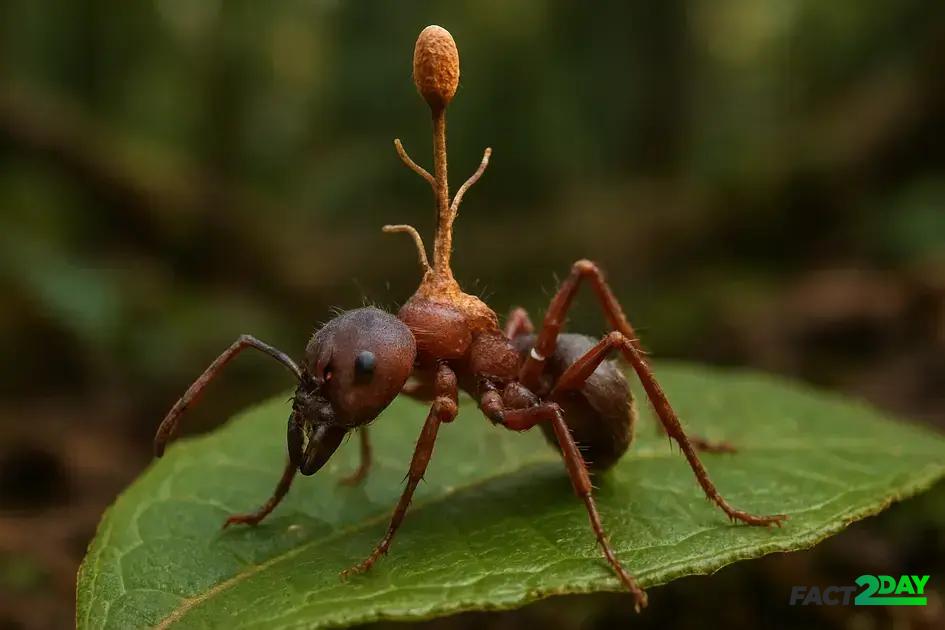
Zombie ants are ants controlled by parasitic fungi, such as Ophiocordyceps, which manipulate their behavior to aid fungal growth and spore dispersal.
Zombie ants might sound like something out of a scary movie, but it’s a fascinating natural event. Ever wondered how a fungus can literally hijack an ant’s body and mind? Let’s dive into the strange world where fungus meets insect control.
What are zombie ants and how do they form
Zombie ants are ants infected by a specialized parasitic fungus, most notably from the genus Ophiocordyceps. The fungus invades the ant’s body and gradually takes control of its central nervous system, triggering unusual behaviors. The process begins when fungal spores land on an unsuspecting ant and penetrate its exoskeleton.
Inside the ant, the fungus grows, spreading through its body while avoiding critical organs to keep the host alive. After several days, it manipulates the ant to leave its colony and climb vegetation. The ant then bites into a leaf or twig in what is called a “death grip,” anchoring itself in place. This ensures an ideal environment for the fungus to grow and eventually release spores.
The formation of zombie ants
The transformation from a healthy ant to a zombie-like host results from the fungus secreting chemicals that alter the ant’s brain functions. These secretions affect the ant’s muscle coordination and behavior, forcing it to move to locations favorable for fungal growth. After the ant dies, the fungus consumes the body and grows a stalk out of the ant’s head, from which new spores are released to infect other ants.
This process can take several weeks and represents a remarkable example of host manipulation. Understanding this lifecycle helps researchers learn more about parasitic relationships and ecological balance.
The role of the parasitic fungus in controlling ants
The parasitic fungus plays a crucial role in controlling the behavior of ants by invading their bodies and manipulating their nervous systems. When fungal spores attach to an ant, they penetrate the exoskeleton and begin to grow inside the insect. The fungus carefully avoids killing the ant too quickly, allowing it to modify the ant’s actions over time.
How the fungus controls the ant
The fungus produces specific chemicals and compounds that affect the brain and muscles of the infected ant. These substances alter the ant’s natural instincts, pushing it to leave its colony and climb to elevated locations such as leaves or twigs. This behavioral change benefits the fungus by positioning the ant in an environment ideal for spore dispersal.
The fungus also compels the ant to bite down firmly on vegetation in what scientists call a “death grip.” This ensures the ant remains firmly attached after it dies, providing a stable platform for the fungus’s growth and spore release. Without this manipulation, the fungus’s reproductive cycle would be less successful.
This remarkable example of host manipulation shows how the fungus essentially takes over the ant’s body to continue its own life cycle. Scientists study these processes to understand parasitic control mechanisms and their ecological consequences.
How the fungus manipulates ant behavior
The fungus manipulates ant behavior through a complex interaction of chemical signals and physical control. Once inside the ant, it releases chemical compounds that interfere with the ant’s central nervous system. These chemicals alter the ant’s natural instincts, effectively rewriting its behavior.
One key change is the urge for the ant to leave its colony and seek higher ground. The ant climbs vegetation, drawn to spots with specific temperature and humidity conditions ideal for fungal growth. This behavior benefits the fungus by placing the ant in a location where spores can easily spread after the ant dies.
Physical control and the death grip
In addition to chemical manipulation, the fungus exerts physical control over the ant’s muscles. It forces the ant to bite down hard on a leaf or twig in a “death grip,” locking the ant in place. This grip secures the ant long enough for the fungus to mature and release spores.
This remarkable manipulation ensures the fungus’s reproduction and survival. Scientists continue to study these processes to understand how parasites can control host behavior so precisely, shedding light on complex biological interactions.
The life cycle of the fungus within the ant host
The life cycle of the parasitic fungus within the ant host is a fascinating and complex process. It starts when fungal spores land on the ant’s exoskeleton and penetrate the outer shell. Inside, the fungus grows slowly, spreading through the ant’s body while keeping the host alive.
Growth and control phase
During this phase, the fungus carefully avoids damaging vital organs, allowing it to control the ant’s behavior. Biochemical signals influence the ant’s nervous system, making it leave its colony and climb to a specific spot in the foliage.
The death grip happens next as the ant is forced to bite down on a leaf or twig, anchoring itself to the plant. The ant eventually dies, but the fungus continues to grow inside its body, consuming tissues and using nutrients for further development.
Spore release and reproduction
After the ant dies, the fungus produces a long stalk that emerges from the ant’s head or body, releasing new spores into the environment. These spores can then infect other ants, continuing the cycle.
This lifecycle can take several weeks and demonstrates a unique form of parasitic control in nature. It helps the fungus maximize spore spread by using the ant as a living vehicle to reach optimal locations.
Effects of fungal infection on ant colonies
Fungal infections caused by parasitic fungi like Ophiocordyceps have significant effects on ant colonies. These fungi infect individual ants, turning them into “zombies” that leave the colony and die in locations that promote fungal growth and spore dispersal. This behavior disrupts the colony’s normal function.
Impact on colony behavior and health
As more ants become infected, the colony may experience reduced worker activity and difficulty in maintaining essential tasks such as foraging and caring for the young. The loss of workers can weaken the colony’s defenses against predators and reduce food intake.
Ant colonies sometimes develop defensive strategies to combat fungal infections, like removing infected ants or avoiding areas with high spore concentration. However, these measures are not always enough to stop the spread, especially in dense forests.
Ecological implications
The fungal infection indirectly controls ant population sizes, which affects the broader ecosystem. Ants play key roles in soil aeration and seed dispersal, so changes in their numbers can impact plant growth and soil health.
Researchers study these effects to understand the balance between parasitic fungi and their host colonies, which reveals important insights into ecosystem health and biodiversity.
Examples of fungi species involved in zombification
Several fungi species are known for their ability to zombify ants by controlling their behavior. The most studied genus is Ophiocordyceps, which includes species that specifically infect ants and manipulate their actions to enhance fungal reproduction.
Key fungi species involved
Ophiocordyceps unilateralis is famous for its role in turning tropical carpenter ants into zombie-like hosts. This fungus forces ants to leave their nests and climb plants, where they clamp down and eventually die, allowing the fungus to grow and spread spores.
Other species like Ophiocordyceps australis and Ophiocordyceps kimflemingiae show similar behavior in different ant hosts across varied geographic regions. Each species has evolved unique strategies to infect specific ant types.
Diversity and adaptation
These fungi demonstrate remarkable adaptation to their hosts and environments. Their life cycles are fine-tuned to ensure the fungus can complete growth by manipulating the ant’s behavior precisely. Understanding these species helps scientists appreciate the complexity of parasitic relationships in nature.
Research methods for studying zombie ants
Studying zombie ants requires a combination of fieldwork and lab research. Scientists begin by observing infected ants in their natural habitats, tracking behavior changes and fungal infection progression. Careful monitoring helps document how the fungus manipulates ant activity over time.
Fieldwork techniques
Researchers collect infected ants and environmental samples such as leaves and soil to understand the fungus’s spread. They often use high-resolution cameras and tracking devices to follow ant movements and behaviors in detail. GPS mapping helps locate areas with high infection rates.
Laboratory analysis
In the lab, scientists examine the ants and fungi under microscopes to study physical changes. Molecular biology techniques identify the genetic makeup of the fungus and how it produces chemicals that alter ant behavior. Experimentation helps reveal the mechanisms behind host manipulation.
Advanced technologies such as 3D imaging and chemical analysis deepen understanding by showing how the fungus impacts the ant’s nervous system. Collaborations between ecologists, microbiologists, and neurologists broaden the scope of research.
Overall, these research methods provide insights into the complex interaction between the fungus and its ant hosts, unveiling nature’s remarkable strategies for survival and control.
Ecological impact of zombie ants in nature
The ecological impact of zombie ants extends beyond the infected individuals and influences entire ecosystems. By controlling ant populations, parasitic fungi help regulate the balance between species in forest environments.
Effects on ant population dynamics
Zombie ant fungi reduce the number of worker ants by infecting and killing them. This control mechanism prevents ants from becoming overly dominant, which can influence the distribution of other insects and plants in the area.
With fewer ants, seed dispersal and soil aeration may be affected. Ants play important roles in these processes, so their decline can have cascading effects on plant growth and soil health.
Impact on biodiversity
By limiting ant overpopulation, fungi contribute to preserving biodiversity. Predators, prey, and competing species all benefit from this natural regulation. This leads to more balanced food webs and healthier ecosystems.
Furthermore, the unique relationship between zombie ants and fungi represents an intricate example of coevolution, showcasing how species adapt in response to each other over time.
Comparisons to other parasitic behavior in insects
Parasitic behavior in insects varies widely, but the case of zombie ants stands out because of the dramatic mind control exerted by the fungus. Other insects also experience parasitic control, but the methods and effects can differ greatly.
Examples of parasitic behaviors
Parasitic wasps lay their eggs inside caterpillars or other hosts. The larvae feed on the host from the inside, often controlling the host’s movement to protect the larva until it matures. This is a form of behavioral manipulation but less direct than fungal control in ants.
Another example is Sacculina, a parasitic barnacle that infects crabs. It alters the crab’s hormonal system, making it care for the parasite’s eggs as if they were its own. This hormonal manipulation is similar in concept to zombie ant fungi but acts through different biological pathways.
Differences and similarities
While many parasites alter host behavior to improve their own survival, the zombie ant fungus is unique in forcing the host to commit a specific act, the “death grip,” which ensures the fungus’s reproduction. Other parasites may suppress or alter behavior but rarely induce such precise actions.
Studying these parasitic relationships helps scientists understand evolution, ecosystem interactions, and the complexity of biological control mechanisms in nature.
Potential applications of studying zombie ants
Studying zombie ants offers valuable insights with potential applications in various scientific fields. By understanding how parasitic fungi control ant behavior, researchers can explore new approaches in medicine, biology, and pest control.
Medical research and neurobiology
The chemicals fungi use to manipulate ants’ nervous systems may inspire new drugs or treatments for neurological disorders. Understanding these natural compounds could lead to breakthroughs in controlling brain functions safely.
Biological pest control
Fungal parasites like those affecting ants might be used as natural pest control agents. This environmentally friendly method could reduce reliance on harmful pesticides by targeting specific insect pests through similar mechanisms.
Advances in behavioral science
Studying zombie ants helps scientists better understand how parasites influence host behavior. This knowledge has broader implications for ecology, evolution, and the study of animal and human behavior under biological influences.
As research progresses, the unique relationship between fungi and ants may unlock innovative strategies to address medical and environmental challenges.
Understanding the fascinating world of zombie ants
The story of zombie ants reveals the incredible ways nature adapts and survives through complex relationships between fungi and insects. This natural phenomenon shows how parasites can control hosts to complete their life cycles.
By studying zombie ants, scientists gain valuable insights into behavior, ecology, and potential applications in medicine and pest control. These discoveries remind us of the delicate balance in ecosystems and the endless wonders waiting to be explored.