The Loaf of Words: The Curious Origins of Food-Related Idioms
Explore the fascinating 'Origin of common food phrases' and discover the stories behind everyday food idioms that spice up our language.
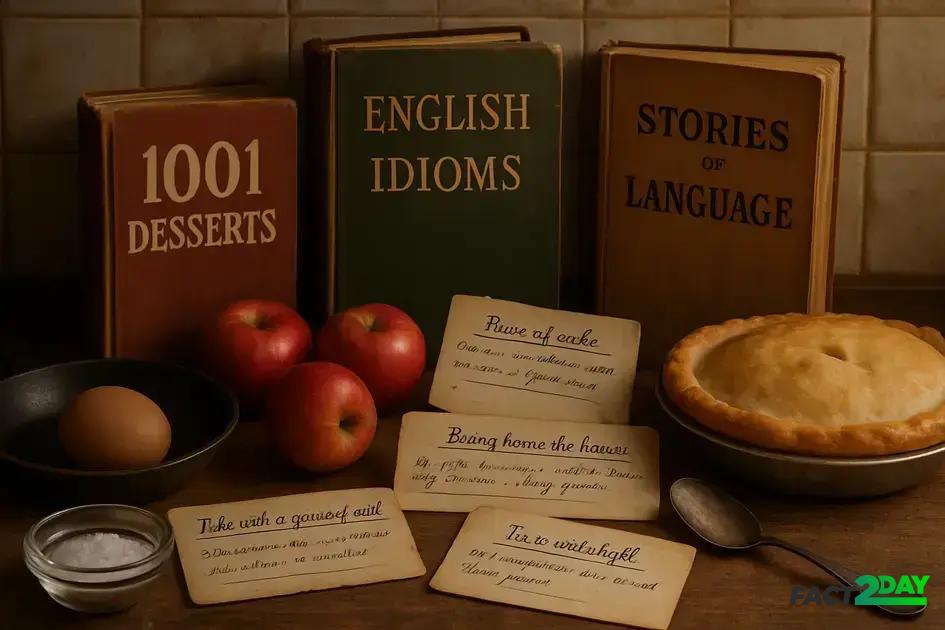
The origin of common food phrases reveals how everyday idioms like “piece of cake” and “spill the beans” stem from historical practices and cultural traditions, enriching language with vivid, relatable expressions linked directly to food and social customs.
Have you ever wondered about the Origin of common food phrases you use daily? These curious idioms often hide fascinating stories that connect us to history and culture in unexpected ways.
the historical roots of common food phrases
Many common food phrases we use daily come from long ago, rooted deeply in history and culture. For example, expressions like “piece of cake” suggest something easy, tracing back to the 19th century when cake was often given as a prize, implying something simple to achieve. Another phrase, “bite the bullet,” originally referred to soldiers biting on a bullet during surgery, but food phrases often intertwine with everyday life and hardship.
These phrases didn’t arise randomly; they reflect the importance of food in society. Think of “spill the beans,” which might come from an ancient voting system using beans or peas. Each phrase carries a story, connecting us to the past and showing how food shapes language over time.
Understanding the historical roots of common food phrases can make us appreciate how our words flavor conversation. Next time you say something “easy as pie” or “in a pickle,” remember these idioms serve as links to traditions, customs, and moments that influenced everyday speech.
how food idioms shape everyday language
Food idioms are a flavorful part of our everyday language. When we say someone is “full of beans,” it means they are lively and energetic, not literally stuffed with food. These idioms add color and emotion to conversations, making our speech more vivid and relatable.
Many expressions like “cool as a cucumber” or “bite off more than you can chew” help convey complex feelings quickly. Such idioms make communication fun and efficient by using familiar food items to describe situations or behaviors.
Because food is universal and central to human life, these phrases cross cultures and ages. They allow us to connect and understand each other with shared meanings. Using food idioms enriches storytelling and turns common conversations into creative exchanges.
Overall, food idioms shape everyday language by providing familiar, relatable terms that bring warmth, humor, and meaning to the words we use every day.
surprising origins behind well-known food sayings
Many well-known food sayings have surprising and unexpected origins. Take “the proof is in the pudding,” for example. This phrase originally meant that the real test of something is its result, but “proof” referred to testing the quality of pudding by cooking it thoroughly, a practice from medieval times.
Another interesting origin is the phrase “bringing home the bacon.” This comes from old English traditions where families earned bacon as a prize for good deeds or winning competitions, linking success directly to food.
“Butter someone up” has roots in an ancient Indian custom where people would throw butterballs at statues of gods to seek favor, indicating the phrase once meant offering flattery to gain goodwill.
These sayings reveal how food and culture intertwine deeply in language. Recognizing the surprising origins behind well-known food sayings helps us understand history and the human experiences hidden inside everyday expressions.
Understanding the Impact of Food Idioms
Food-related phrases are more than just expressions; they carry history, culture, and meaning that enrich our daily conversations.
By learning about the origins and uses of these idioms, we can better appreciate the language we use and the stories behind it.
Next time you hear a food saying, you’ll recognize the surprising history and alive tradition that flavor our speech and connect us all.