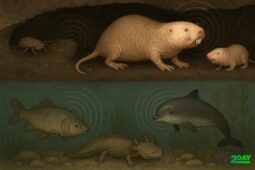
The Mimic Masters: Animals That Surprise Us By Imitating Human Actions
Animals that mimic humans reveal astonishing behaviors that blur lines between species, inviting us to look closer at nature’s remarkable performers.

Animals that mimic humans demonstrate advanced intelligence by imitating human speech, gestures, and behaviors, aiding their survival, communication, and social interaction in unique ways.
Animals that mimic humans captivate our imagination with their unexpected talents. Have you ever wondered why some creatures imitate our actions? Let’s explore these fascinating performers and what their mimicry tells us about the dance between nature and human life.
animals with surprising human-like behaviors
Many animals exhibit behaviors that closely resemble those of humans, surprising scientists and animal lovers alike. Parrots, for example, can imitate human speech and gestures, creating a unique form of communication with people. Similarly, some primates like chimpanzees use tools, solve puzzles, and even learn sign language to interact with humans. This shows a level of intelligence and social behavior that bridges the gap between species.
In the marine world, dolphins demonstrate playful behaviors and can mimic human actions such as waving or clapping underwater. Elephants are known for their empathy and complex social interactions, sometimes replicating human gestures like using objects as tools or imitating movements.
These behaviors are not just amusing; they provide insights into animal cognition and social adaptability. Watching animals perform actions that seem distinctly human challenges us to reconsider what separates us from the rest of the animal kingdom.
how mimicry helps animals survive and communicate
Animal mimicry is an incredible survival strategy that helps species avoid predators, secure food, and communicate within their groups. Many animals adopt behaviors or appearances that imitate others to stay safe or gain an advantage. For example, some harmless insects mimic the look of dangerous species to deter predators. This form of protective mimicry increases their chances of survival.
Communication through mimicry is another key aspect. Animals like certain species of birds or marine creatures mimic sounds or actions to signal warnings, attract mates, or establish territory. These imitations serve as critical messages in social interactions, helping animals coordinate or defend themselves effectively.
Mimicry also plays a role in hunting. Predators may imitate harmless animals or natural elements to sneak closer to prey. This clever disguise shows how mimicry is a versatile tool for survival, benefiting both prey and predators in the complex balance of nature.
examples of animals mimicking human actions
Several animals have been observed mimicking human actions with surprising accuracy. Chimpanzees can learn to use simple tools similarly to humans, like cracking nuts with stones. Some have even been taught to use sign language to communicate basic needs and emotions. Crows are known for their problem-solving skills and can mimic human gestures such as pointing or handing objects to people.
Parrots take mimicry a step further by copying human speech, tones, and even emotions, making their interactions with humans more engaging. In marine environments, dolphins have been seen imitating human behaviors such as following hand signals or performing tricks on cue, showcasing their intelligence and social learning.
These examples highlight how mimicry serves as a bridge between humans and animals, revealing cognitive skills that foster interspecies connection and deeper understanding of animal behavior.
Understanding the amazing world of animal mimicry
Animals that mimic humans show us just how smart and adaptable they can be. From parrots copying speech to dolphins following hand signals, these behaviors reveal a deeper connection between species.
Mimicry helps animals survive and communicate in ways we are only beginning to understand. It opens a window into their intelligence and social lives, reminding us how much we share with the natural world.
By appreciating these remarkable talents, we can better protect and learn from the incredible creatures around us.