Lakes Beneath the Waves: The Hidden Rivers and Lakes of the Deep Ocean
Explore the mysterious world of underwater lakes and rivers, revealing unique ecosystems and curious natural wonders beneath the ocean's surface.
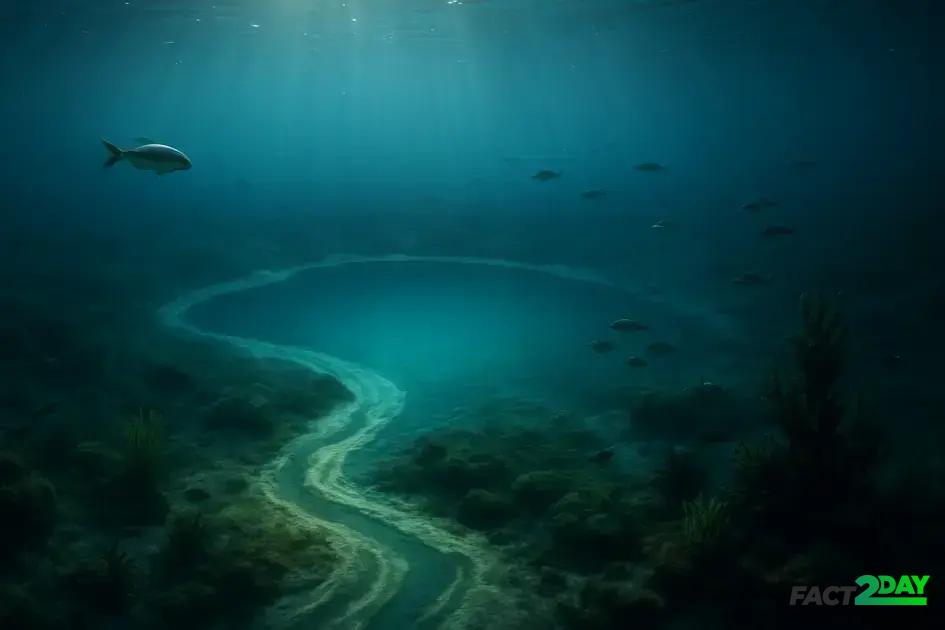
Underwater lakes and rivers are dense, salty water bodies on the ocean floor that shape seafloor landscapes, create unique ecosystems, and reveal complex geological and biological processes beneath the waves.
Have you ever wondered about the hidden waterways beneath our seas? Underwater lakes and rivers are fascinating features that reveal more about our planet’s secret depths. Their silent flow carries stories and ecosystems few have ever seen.
the science behind underwater lakes and rivers
Underwater lakes and rivers are fascinating geological phenomena formed in unique conditions on the ocean floor. These features occur when denser, salty water collects in depressions, creating layers that don’t mix easily with the surrounding seawater. This process is caused by differences in salinity and temperature, leading to distinct bodies of water beneath the ocean.
The science behind these formations involves the study of density gradients and fluid dynamics. For example, brine pools are underwater lakes rich in salt that sit at the bottom of the ocean because their density prevents mixing. These pools can be found in places like the Gulf of Mexico and the Red Sea. Their high salinity and chemical composition create harsh environments that affect local marine life.
Research using submersibles and remote sensing technology has revealed that underwater rivers can flow along slopes within the seabed, carving channels similar to rivers on land. These flows impact sediment transport and shape the ocean floor over time. Understanding how these waters behave gives scientists insights into earth’s geological processes and the conditions that support unique ecosystems.
Exploring the science behind underwater lakes and rivers helps us appreciate how diverse and dynamic our planet’s oceans are, revealing hidden features that challenge what we know about water and life.
unique ecosystems thriving beneath the waves
Underwater lakes and rivers create unique ecosystems that differ greatly from the surrounding ocean environment. These ecosystems support specially adapted organisms that thrive in the extreme conditions caused by high salinity, pressure, and limited light. For example, certain bacteria and archaea flourish in brine pools, feeding on the chemicals dissolved in the water. These microbes form the base of the food web in these habitats.
Many species of tube worms, crabs, and other invertebrates are also found around these underwater lakes and rivers. These creatures have evolved to withstand toxic chemicals and low oxygen levels. In some areas, chemosynthetic life forms replace photosynthetic plants, using chemical energy to survive, which is rare in most other ocean environments.
Impact on Marine Biodiversity
These habitats contribute significantly to marine biodiversity by offering a refuge for rare and unusual species. The isolation and harsh conditions create environments where species can evolve separately, leading to a rich variety of life forms. Scientists continue to discover new organisms in these environments, expanding our understanding of life’s adaptability.
Studying these ecosystems helps reveal how life persists under extreme conditions and offers clues about possible life on other planets. The complex relationships between organisms here show the delicate balance of underwater ecosystems and their importance to the broader ocean environment.
how underwater lakes influence ocean landscapes
Underwater lakes and rivers play a significant role in shaping ocean landscapes through their unique flow patterns and chemical properties. These bodies of water often carry dense, salty brine that moves along the ocean floor, carving out channels and depressions over time. This process affects sediment distribution and creates distinctive underwater topography.
Submarine erosion caused by these underwater flows can lead to the formation of canyons, valleys, and mounds. The flow of denser water can also influence the layering of sediments, which affects habitats for marine organisms and the geological history recorded in the ocean floor.
Impact on Sediment Transport and Habitat Formation
As underwater rivers carry sediments, they deposit materials in different areas, forming fertile grounds for various marine life. These sediment deposits build complex habitats which support diverse ecosystems. The interaction between underwater lakes and ocean currents can also mix nutrients, promoting biological productivity.
Furthermore, the presence of chemically distinct water bodies alters local water chemistry, influencing the growth of certain species and the preservation of organic material. This dynamic environment showcases how underwater lakes and rivers contribute to the ongoing evolution of ocean landscapes, making them active agents in shaping the sea floor environment.
Understanding the hidden world beneath the waves
Underwater lakes and rivers reveal the ocean’s hidden complexity and power. They shape the seafloor, create unique habitats, and support life in extreme conditions.
By studying these fascinating features, we gain insight into Earth’s geology and the adaptability of life. Exploring these underwater landscapes opens new doors for discovery and deepens our appreciation for the ocean’s mysteries.