Mind Control in the Wild: When Fungi Turn Animals into Zombies
Fungi that control organisms reveal a fascinating world where nature blurs the lines between life and manipulation, captivating your curiosity.
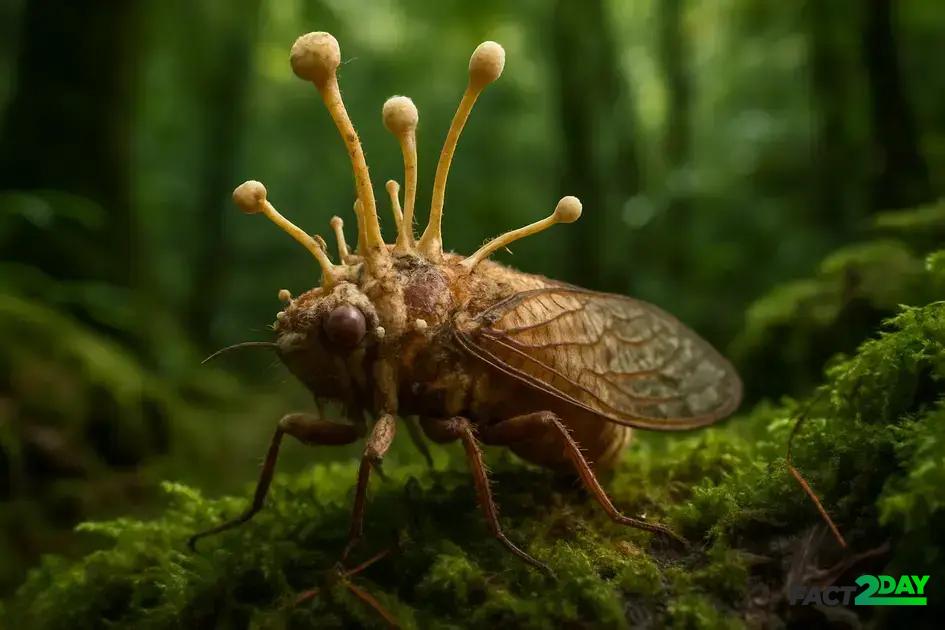
Fungi that control organisms manipulate animal behavior by hijacking their nervous systems, driving hosts to act in ways that spread fungal spores and maintain ecological balance.
Fungi that control organisms invite us to step into a world where the boundaries between life and influence become strikingly blurred. Have you ever wondered how these silent puppeteers pull the strings behind the scenes in the wild?
how fungi manipulate animal behavior in nature
Fungi have evolved fascinating ways to manipulate animal behavior to continue their life cycles. One of the most striking examples is the way certain fungi infect insects and alter their actions to spread spores more effectively. These fungi often take over the host’s nervous system, guiding it to environments favorable for fungal growth.
Behavioral Changes Induced by Fungi
Infected insects may be compelled to climb to elevated spots, a behavior that increases spore dispersal distance. Some fungi even cause the host to clamp onto leaves or branches before dying, ensuring the fungus has a stable base to develop and distribute its spores.
Mechanisms Behind the Control
Although the exact biochemical pathways are still under research, fungi secrete chemicals that interfere with the host’s brain and muscle functions. This complex interplay allows the fungus to hijack the animal’s movements subtly but effectively.
Impact on Ecosystems
This manipulation can influence insect populations and has broader ecological effects. By controlling certain species, fungi can affect food webs and help maintain balance in natural environments.
examples of fungi turning animals into zombies
Several fungi species are known for their ability to turn animals into so-called “zombies,” controlling their behavior to aid fungal reproduction. Ophiocordyceps unilateralis is a famous example, often called the “zombie-ant fungus.” It infects ants, manipulating them to leave their colonies and latch onto vegetation before dying. This position allows the fungus to grow and release its spores efficiently.
Other Notable Examples
Another example is the fungus Entomophthora muscae, which infects flies. It forces the fly to climb to a high spot where it dies, allowing the fungus to spread its spores downward to catch more hosts. Similarly, some fungi target spiders, altering their web-building behavior to create a structure better suited for fungal growth.
How These Fungi Impact Their Hosts
These fungi often take control over the host’s central nervous system, emitting chemicals that alter movement and behavior. The host appears zombified, obediently performing actions that are unusual and harmful to itself but beneficial to the fungus’s life cycle.
Such interactions show how intricate and powerful fungal manipulation can be in nature, affecting individual animals and even influencing entire populations.
ecological impact of mind-controlling fungi
Mind-controlling fungi have a unique role in ecosystems by influencing the behavior and population dynamics of their hosts. When fungi infect and manipulate animals, they can reduce host populations, which may benefit other species and help maintain ecological balance.
Effects on Animal Populations
By controlling certain insect species, these fungi can prevent overpopulation, which might otherwise lead to habitat damage or food scarcity. This natural form of population control highlights the fungi’s role as an ecological regulator.
Impact on Food Webs
The altered behavior and eventual death of infected animals provide nutrients to the soil and other organisms. Additionally, these changes can ripple through food webs, affecting predators and prey in complex ways.
Influence on Biodiversity
Fungal infections can contribute to greater biodiversity by limiting dominant species and allowing others to thrive. This balance supports healthier ecosystems and resilience against environmental changes.
Understanding the role of mind-controlling fungi
Mind-controlling fungi offer a remarkable glimpse into nature’s complexity by influencing animal behavior and ecosystems. Their ability to regulate populations and maintain ecological balance shows how interconnected life forms are.
Studying these fungi helps us appreciate the hidden forces shaping the natural world and emphasizes the importance of biodiversity. By learning more, we can better understand and protect these delicate relationships.
The fascinating world of fungi reminds us that even the smallest organisms play vital roles in keeping ecosystems healthy and thriving.