The Ultimate Disguise: Plants That Fool Animals into Pollinating Them
Discover how plants that mimic animals use clever disguises to attract pollinators, creating a fascinating dance between nature’s wonders and survival.
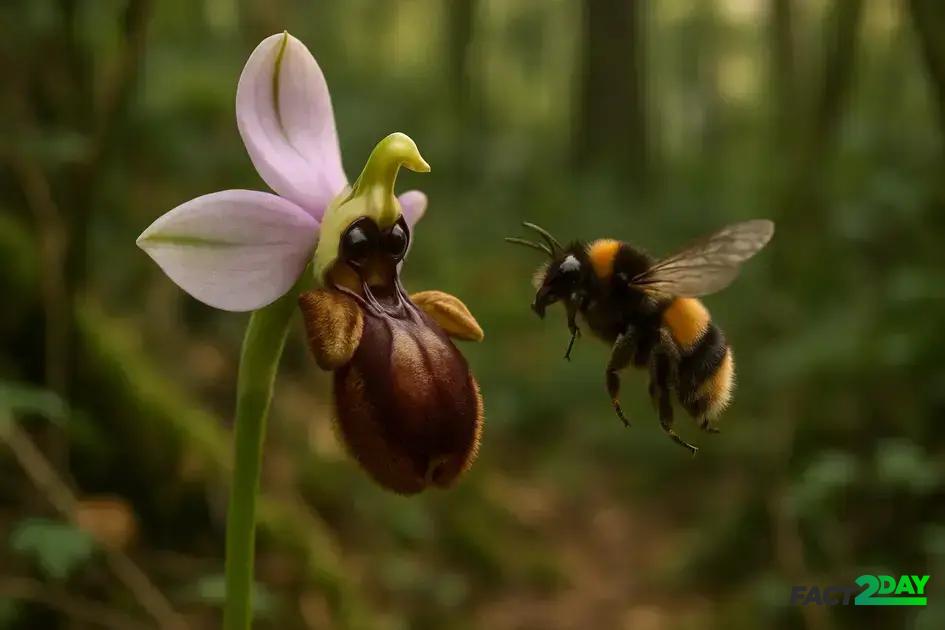
Plants that mimic animals attract specific pollinators by imitating their appearance, scent, or movement, ensuring effective pollination and enhancing biodiversity within ecosystems.
Plants that mimic animals may seem like a secret language of the forest, inviting curious insects with shapes and scents that deceive. Have you ever wondered why some flowers look like insects themselves? Let’s step closer and unravel this captivating natural disguise together.
how plants mimic animals to attract pollinators
Plants that mimic animals have evolved fascinating ways to attract pollinators by copying their appearance, movements, or scents. This clever strategy tricks insects and other creatures into interacting with the flowers, helping the plants reproduce effectively. Some plants produce flowers that resemble female insects, luring male pollinators who attempt to mate with the flower, unknowingly picking up pollen in the process.
Visual mimicry
Visual mimicry is one of the most common methods, where flowers imitate the shapes and colors of animals. The orchids are a classic example, with some species crafting petals that look strikingly like female bees or wasps. This encourages the male insects to land and try to mate, spreading pollen. Another case includes flowers that mimic the appearance of ants or beetles, attracting specific pollinators that interact with them.
Scent mimicry
Besides sight, scent plays a key role. Some plants release chemicals that imitate insect pheromones or other animal smells. This attracts pollinators by triggering their instinctual responses. For instance, certain orchids emit a scent very close to that of female insects, which attracts males from a distance.
Movement and texture
In some plants, the mimicking goes beyond looks and smell. They might have textures or movements that feel like an animal when touched, heightening the illusion. This further entices pollinators to stay longer and increases the chance of pollen transfer.
Through these methods, plants create a complex and successful strategy to ensure their survival in nature.
examples of plants using animal mimicry
Many plants have evolved to mimic animals in astonishing ways, using this strategy to attract specific pollinators. One famous example is the orchid genus Ophrys, often called “bee orchids.” Their flowers closely resemble female bees in shape, color, and even texture, tricking male bees into attempting to mate with them. This behavior helps transfer pollen effectively.
Another remarkable case is the trigger plant (Stylidium), which mimics the movement and form of insects. When a pollinator lands on it, the plant triggers a rapid motion, depositing pollen on the visitor. Some species of raisin plants (Ceropegia) use a cage-like flower shape with slippery surfaces to temporarily trap flies, ensuring they leave covered in pollen.
Additionally, the passionflower mimics certain local insects to attract pollinators. Its complex structures and colors can confuse insect visitors, making them more likely to explore the flower thoroughly and pick up pollen.
Specialized animal mimicry in orchids
Orchids show some of the most specialized examples. For instance, the flying duck orchid imitates the shape of a female duck, and different orchids may mimic wasps or ants. This specialization helps ensure that the right type of pollinator is attracted, increasing the chance of successful pollination.
ecological importance and evolutionary benefits
Plants that mimic animals play a crucial role in ecosystems by supporting biodiversity and ensuring the continuation of complex food webs. By attracting specific pollinators through mimicry, these plants help maintain populations of insects and other animals that rely on flowers for nectar and reproduction.
Ecological balance
This mimicry creates a unique ecological balance. Plants obtain pollination services essential for reproduction, while pollinators receive rewards or are tricked into behaviors that assist plant survival. This interaction promotes healthy ecosystems by encouraging diverse species to thrive in shared habitats.
Evolutionary advantages
The evolution of animal mimicry in plants offers significant benefits. It often leads to specialization, where plants attract very specific pollinators. This reduces competition for pollinators and increases the chances of successful cross-pollination, enhancing genetic diversity.
Over time, these mimicry strategies have driven the diversification of species. Plants that develop convincing animal-like traits can outcompete others, securing a better chance at survival and reproduction. Such evolutionary pressures create fascinating diversity among flowering plants worldwide.
Conservation implications
Understanding these relationships is essential for conservation efforts. Protecting plants that use animal mimicry means safeguarding the pollinators and habitats connected to them. Disruption to either side can negatively impact whole ecosystems, highlighting the importance of preserving natural environments where these plants grow.
The powerful role of mimicry in plant survival
Plants that mimic animals show us how nature uses creativity to solve challenges, like attracting pollinators. This clever disguise helps plants reproduce and thrive in diverse environments.
These interactions benefit entire ecosystems by supporting pollinators and promoting biodiversity. Understanding this natural strategy highlights the delicate balance within our environment.
By appreciating and protecting these plants and their pollinators, we help preserve the intricate connections that sustain life on Earth.