When Life Takes a Turn: The Most Unbelievable Ways Historical Figures Died
Historical bizarre deaths reveal strange, unexpected ends of famous figures, inviting curiosity beyond usual tales. Discover stories that blend mystery and history.
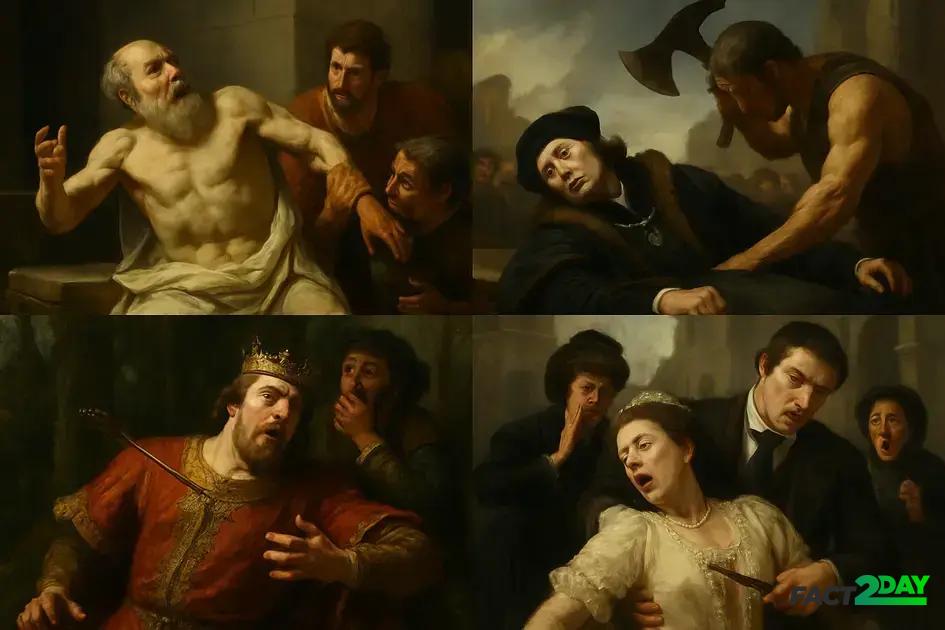
Historical bizarre deaths refer to the unusual, unexpected, and often mysterious ways famous figures throughout history have died, revealing fascinating stories that combine fact, myth, and lessons about human nature and fate.
Historical bizarre deaths often bring a strange mix of curiosity and amazement. Have you ever wondered what unusual ways some famous figures left this world? Let’s explore some stories that defy ordinary expectations.
strange circumstances surrounding famous deaths
Throughout history, many famous figures have met their end in strange and unexpected ways that captivate the imagination. These strange circumstances surrounding famous deaths often involve accidents, bizarre events, or unusual settings that defy common expectations. For example, Pharaoh Ramses III is believed to have been assassinated in a harem conspiracy, an eerie story backed by forensic evidence centuries later.
Unexpected events that led to death
From elaborate traps to freak accidents, many historical figures’ deaths were caused by truly unforeseen events. The Roman Emperor Claudius reportedly died after being poisoned with mushrooms, which was intended as a secret assassination but became one of the most talked about strange deaths in history. Similarly, the death of Alexander the Great has been surrounded by mystery and speculation, involving possible poison or natural causes.
Role of myths and legends
Often, the strange deaths of historical figures become intertwined with myths and legends, enhancing their mystique. For instance, the story of Vlad the Impaler’s brutal execution methods feeds into Dracula legends, blending reality and folklore. These tales sometimes distort facts but keep the fascination alive, showing how strange deaths affect cultural memory.
Strange deaths remind us that history isn’t always orderly or predictable. They reveal the unexpected twists that life – and death – can take, making these stories endlessly intriguing and worthy of exploration.
unusual causes and myths behind historic passings
The ways historical figures have died often come with strange stories filled with myths and unusual causes. These tales sometimes mix fact with fiction, making it hard to know what really happened. One famous example is the belief that Tycho Brahe, the Danish astronomer, died because he refused to leave a banquet to relieve himself, leading to a fatal bladder infection. While this story sounds bizarre, it highlights how death causes can be wrapped in legends.
Unusual causes behind historical deaths
Some deaths were caused by rare or unexpected medical conditions, accidents, or intentional actions. For instance, Napoleon Bonaparte’s death has been debated for years, with some theories pointing to stomach cancer while others suggest possible poisoning. Similarly, the death of the explorer Percy Fawcett vanished into the Amazon jungle, sparking theories about mysterious tribes or wild animals.
How myths influence perception
Myths and legends often arise after strange deaths, shaping how people remember historical figures. The story of Mozart’s death, for instance, includes rumors of poisoning by rival composers, though modern research disputes this. These myths add drama but can also obscure the truth. They reflect humanity’s fascination with mystery and the unknown.
Exploring these unusual causes and myths shows us that history is not just about dates and facts – it’s also about stories that keep us curious and engaged.
lessons and reflections from bizarre historical ends
Bizarre historical deaths are not just strange stories; they also offer us valuable lessons and reflections on life, fate, and human nature. These unusual ends remind us that even the most powerful or celebrated figures can face unexpected outcomes. It teaches humility and the unpredictability of life.
Understanding human vulnerability
Many bizarre deaths highlight how fragile human existence is, regardless of status or wealth. When we study cases like Emperor Nero, who ultimately met a violent end, or Cleopatra’s rumored suicide by snakebite, we gain insight into the risks people took and how their vulnerabilities influenced history.
Learning from history’s mysteries
Reflections on bizarre deaths also encourage curiosity and critical thinking. They motivate historians and readers to investigate motives, social contexts, and medical truths behind the stories. This process deepens our understanding of past cultures and human behavior.
Lastly, these stories can inspire us to embrace life fully, knowing its fragile and unpredictable nature. The strange endings of historical figures serve as a reminder to cherish every moment and value the legacies we create.
Reflecting on the unpredictable ends of history
The strange and unexpected ways historical figures have died remind us that life is full of surprises, no matter how powerful someone may be. These stories teach us humility and the value of curiosity as we explore the mysteries of the past.
By learning from these bizarre endings, we gain a deeper understanding of human nature and history itself. They encourage us to appreciate every moment and consider the legacy we leave behind.
Ultimately, the unusual deaths of famous figures show that history is not just about facts, but also about the remarkable stories that keep us fascinated and inspired.