The Killer Corset and Beyond: History’s Most Dangerous Fashion Trends
Historical fashion disasters reveal the dark side of style, where beauty met danger in surprising ways throughout history. Discover what made these trends risky.
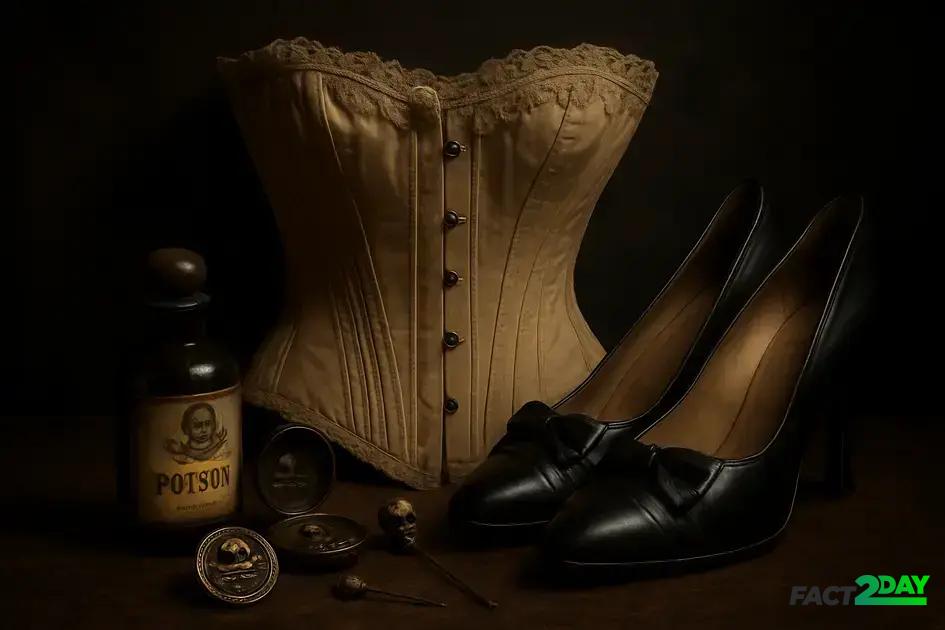
Historical fashion disasters include dangerous trends like tight corsets that harmed the body, toxic accessories containing arsenic and lead, and high heels that caused foot injuries, all highlighting how style sometimes compromised health and safety.
Have you ever wondered about historical fashion disasters that blurred the line between style and danger? From constricting corsets to toxic accessories, these trends tell stories that go beyond fabric and flair.
the killer corset and its deadly legacy
The killer corset is one of history’s most infamous fashion disasters. Popular in the 16th to 19th centuries, corsets were designed to shape the body into an ideal figure, often cinching the waist tightly. However, this pursuit of beauty came at a severe cost. Women who wore extremely tight corsets faced restricted breathing, deformed ribs, and crushed internal organs. Medical reports from the era describe fainting spells and even permanent damage caused by prolonged corset use.
The physical toll of tight corsets
Wearing corsets for extended periods could lead to weakened abdominal muscles and poor posture. The compression sometimes caused shortness of breath and digestive issues. Some women reportedly experienced fractures in their rib cages due to the pressure applied. Such health hazards were often ignored in favor of fashionable appearances.
Societal pressure and obsession with shape
Corsets symbolized social status and femininity, pressuring women to conform despite the health risks. The expectation to maintain a tiny waist was relentless, and many endured pain silently. This obsession fueled the popularity of corsets, even as doctors warned against their dangers.
The legacy and lessons learned
Though corsets gradually lost favor by the early 20th century, their legacy highlights how style trends can harm health. Today, the killer corset serves as a cautionary tale reminding us to balance aesthetics with well-being. It challenges us to question which current fashion trends might one day be seen as dangerous or misguided.
poisonous accessories: when fashion turned toxic
In the pursuit of elegance, some fashion accessories became unexpectedly dangerous due to the toxic materials used in their creation. One infamous example is jewelry containing arsenic, mercury, and lead, common in the 18th and 19th centuries. These substances were often used to achieve brilliant colors and shine but posed serious health risks to those wearing or handling them.
Poisonous makeup and jewelry
White lead-based face powder was prized for its flawless appearance but caused skin damage and lead poisoning. Similarly, green pigments made with arsenic not only discolored clothes but sometimes led to illness or death. Women wearing these accessories were often unaware of the dangers hiding beneath their glamorous surfaces.
Risky fabrics and dyes
Dyes containing toxic chemicals were used to create vibrant clothing that could irritate the skin or cause long-term health issues. Factory workers handling these dyes also suffered from exposure, highlighting the widespread impact of toxic fashion beyond just the wearer.
The impact on health and society
Medical reports from the time describe symptoms such as dizziness, nausea, and even fatal poisonings linked to fashionable accessories. The hidden dangers behind these trends serve as a striking example of how style choices can unknowingly harm health. Today, such materials are strictly regulated, but history reminds us to be cautious about what we wear.
high heels and other risky trends that shaped history
High heels are one of the most enduring fashion icons, but their history includes serious risks to health and safety. Originating in the 16th century among European aristocracy, high heels were designed to elevate status and appearance. However, the steep elevation placed intense pressure on the feet and altered posture, leading to pain and injuries.
Health effects of wearing high heels
Wearing high heels regularly can cause foot deformities, such as bunions and hammertoes, due to the unnatural position of the toes. The altered body mechanics increase the risk of ankle sprains and falls. Over time, heels can contribute to knee and lower back pain because of the shifted weight distribution.
Other risky historical fashion trends
Beyond high heels, history is filled with dangerous trends like towering wigs coated in toxic powders, and lead-based makeup. Each was celebrated for style but often led to health problems for wearers. These trends demonstrate how fashion often prioritized appearance over well-being.
The lasting impact of risky fashion
Today, designers and wearers pay more attention to comfort and safety, yet some risky elements persist. Understanding the dangers from the past helps inform healthier choices. High heels and other risky trends offer a vivid lesson in balancing fashion with health, reminding us that beauty should not come at the expense of safety.
Understanding the price of fashion through history
History’s most dangerous fashion trends, like the killer corset, toxic accessories, and high heels, show us how style sometimes came with serious risks. These examples remind us that beauty and safety should go hand in hand.
By learning from the past, we can make smarter choices about what we wear today—prioritizing health without giving up on style. Fashion should empower, not endanger.