The World’s Wackiest Cuisines: Bizarre Food Fads Through History
Historical food fads reveal curious culinary crazes that shaped cultures and puzzled palates across eras, uncovering strange tastes we once embraced.
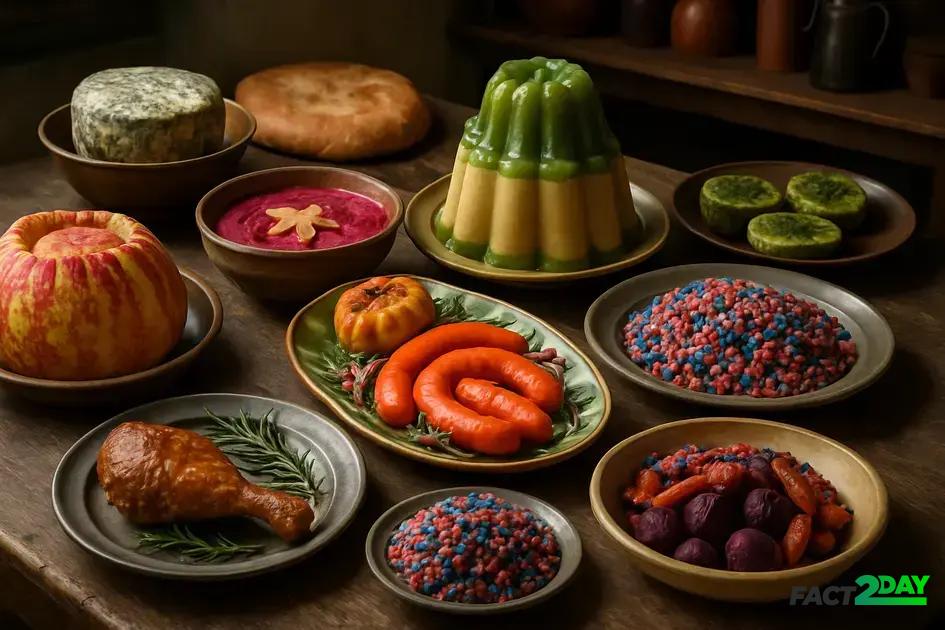
Historical food fads are unique culinary trends from the past that reflect cultural values, shifting tastes, and social influences, often shaping modern food innovations and teaching lessons about changing preferences.
Have you ever stumbled upon strange recipes or forgotten food crazes? Historical food fads invite us to explore the odd and fascinating tastes that once enchanted entire communities. What can these quirks tell us about culture and change?
peculiar eating habits that captured societies
Throughout history, many societies have embraced peculiar eating habits that reflected their beliefs, environment, and available resources. For example, in the Victorian era, the fad diet craze included bizarre trends like the consumption of cabbage soup or no-meat diets to lose weight quickly. These practices were often driven by social pressures and emerging medical ideas of the time.
Another striking example is the fascination with exotic foods such as bird’s nests or edible gold flakes, which were once considered health-boosting or status symbols. In some cultures, eating insects or unusual animal parts was common, either as a delicacy or because of scarcity of typical protein sources. These habits often symbolized wealth, health, or spiritual significance.
Impact on Society and Culture
These unique dietary choices often revealed much about a society’s values or struggles. In times of scarcity or famine, societies adapted, turning to less common ingredients and inventing new dishes. Sometimes, these fads even affected trade and agriculture, influencing what types of foods were cultivated or imported.
Understanding these peculiar eating habits helps us appreciate the diversity of human culture and reminds us that what seems strange today might once have been a popular trend. It also reveals how food trends can influence social identity and community bonding over time.
unexpected origins of famous food crazes
Many famous food crazes have surprising origins that reveal how social, economic, or accidental events shaped what we eat today. For instance, the invention of potato chips is often credited to a chef in Saratoga Springs, New York, who sliced potatoes thin and fried them to satisfy a picky customer. This accidental delight quickly became a popular snack, illustrating how minor events can spark lasting trends.
Another example is the rise of sushi in the Western world. Originally a traditional Japanese method of preserving fish with fermented rice, sushi evolved into the vinegared rice and fresh fish dishes that gained global popularity in the late 20th century. This shift was influenced by changing tastes and international culinary exchanges.
The role of marketing and culture
Many food crazes owe their origins to clever marketing or cultural movements. The cronut, a croissant-donut hybrid, was created by a New York bakery and skyrocketed in fame through social media hype. Similarly, health diets promoting kale or quinoa took off as awareness grew about nutrition and wellness, transforming niche ingredients into mainstream favorites.
Understanding these unexpected origins highlights how innovation, chance, and social forces combine to shape food trends. It also shows how food can quickly move from obscurity to fad status through cultural shifts and media attention.
lessons from vanished culinary trends
Vanished culinary trends offer valuable lessons about changing tastes, culture, and innovation. Foods that were once popular often fade due to shifts in public preference, availability of ingredients, or health concerns. For example, the gelatin salad, a staple at mid-20th century American dinners, fell out of favor as people sought fresher, less processed options.
Another lesson comes from the use of unusual ingredients like whale meat or calf’s brain, once consumed widely but now viewed as controversial or unacceptable due to ethical and environmental reasons. These changes teach us about evolving values and awareness.
Impact on Culinary Innovation
Some vanished trends have influenced modern cuisine by inspiring new creations or reviving interest in forgotten techniques. Chefs today explore these past fads to reinvent dishes with a contemporary twist, blending nostalgia with innovation.
Studying these culinary trends that disappeared reminds us how food culture is dynamic. It encourages open-mindedness towards new tastes and helps anticipate what modern food fads might look like in the future.
Wrapping up the wild world of food fads
Historical food fads show us how tastes and cultures can change in surprising ways. From strange eating habits to the unexpected birth of food crazes, these trends reveal a lot about society and innovation.
Lessons from vanished culinary trends warn us that what’s popular today might disappear tomorrow. But they also inspire chefs and food lovers to explore new and creative flavors.
By understanding these curious food stories, we get a fun glimpse into the past and a fresh perspective on the future of food.