When Nature Roared: How Extreme Weather Shaped Human History
Historical weather events impact human history in profound ways, revealing nature's power to reshape societies and change our course forever.
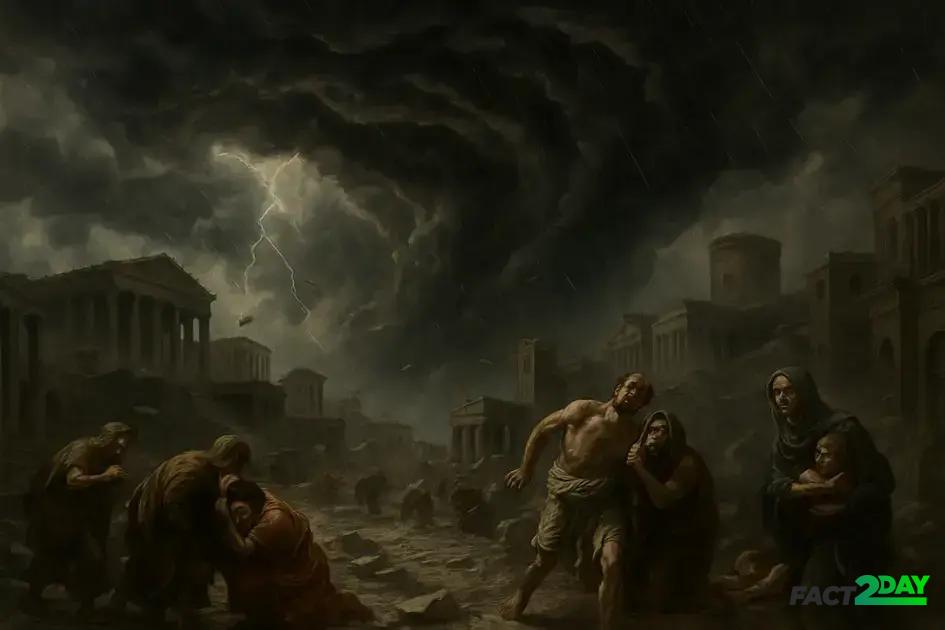
Historical weather events impact societies by disrupting economies, triggering migrations, and revealing the need for resilience through early warning systems, infrastructure adaptation, and community cooperation to reduce damage and ensure survival.
Historical weather events impact not just nature but the very fabric of human lives. Have you ever wondered how a single storm could change the fate of entire civilizations? Let’s explore these powerful moments when nature roared.
the ripple effects of extreme weather on societies
Extreme weather events have far-reaching consequences that go beyond immediate damage. Storms, droughts, and floods disrupt daily life, affecting agriculture, health, and social structures. For example, a severe drought can cause food shortages, leading to malnutrition and social unrest. Floods may destroy homes, forcing families to relocate and reshaping community dynamics.
Impact on Agriculture and Food Security
Weather extremes like droughts and floods directly reduce crop yields. This not only threatens local food supplies but also increases prices and sparks economic instability. Farmers may lose their livelihoods, and communities face challenges in accessing nutritious food.
Health and Social Consequences
Extreme weather increases health risks by spreading diseases and causing injuries. Floodwaters can contaminate drinking sources while heatwaves intensify health problems. These events often strain healthcare systems and highlight inequalities in resources and aid access.
Community Displacement and Cultural Shifts
When weather disasters force people to leave their homes, it can lead to migration and shifts in population distribution. This displacement disrupts cultural traditions and changes socioeconomic patterns, sometimes leading to conflicts over resources in new areas.
how historical storms altered economies and migrations
Historical storms have significantly altered economies by destroying infrastructure, crippling trade routes, and halting production. These events often forced communities to rebuild from scratch, impacting financial stability for years. Ports and coastal cities were especially vulnerable as severe storms disrupted shipping and fishing industries, key economic pillars.
Economic Consequences of Major Storms
Storms such as hurricanes and typhoons can cause immediate loss of property and long-term economic decline. For example, after a severe hurricane, agricultural lands flood, destroying crops and reducing food exports. Industries depending on these exports face losses and layoffs.
Migrations Triggered by Storm Disasters
Extensive damage and loss of livelihoods have forced populations to migrate in search of safety and work. These migrations shift demographics and often strain resources in receiving areas. For instance, many historical storms induced waves of displacement, leading to urban growth or new settlements in safer regions.
Adaptations and Economic Resilience
Over time, affected societies developed adaptation strategies to minimize future storm impacts, such as improved building codes and diversified economies. These adaptations gradually helped stabilize economies and manage migration pressures.
lessons from past weather disasters for today’s world
Learning from past weather disasters helps us prepare for future challenges. Historical events reveal the importance of early warning systems, effective communication, and community readiness to reduce damage and save lives. By studying how societies responded to floods, hurricanes, and droughts, we gain valuable insights into building resilience.
Early Warning and Preparedness
Timely alerts allow communities to evacuate and protect resources. Past failures often stemmed from delayed warnings or poor coordination. Modern technology now supports more accurate forecasting and faster dissemination of information.
Infrastructure and Adaptation
Building stronger homes, flood barriers, and drainage systems minimizes physical damage. Adaptations like elevated buildings and diversified agriculture reduce vulnerability. These strategies have developed through trial and error during previous disasters.
Community Cooperation and Recovery
Sharing resources, supporting vulnerable populations, and coordinated recovery plans accelerate rebuilding. Lessons from history emphasize the role of social unity and government support in overcoming the aftermath of extreme weather.
Understanding the power of extreme weather
Extreme weather events have shaped human history by affecting economies, societies, and migrations in lasting ways. By learning from past disasters, we gain tools to better prepare and protect communities today.
Investing in early warning systems, stronger infrastructure, and community cooperation can reduce the impact of future storms and climate challenges. While nature’s power can be overwhelming, human resilience and adaptation offer hope for a safer tomorrow.