The Wall of Frustration: The Most Infamous Difficulty Spikes in Gaming History
Explore the chilling moments of game difficulty spikes history that have tested players' patience and resilience in unforgettable ways.
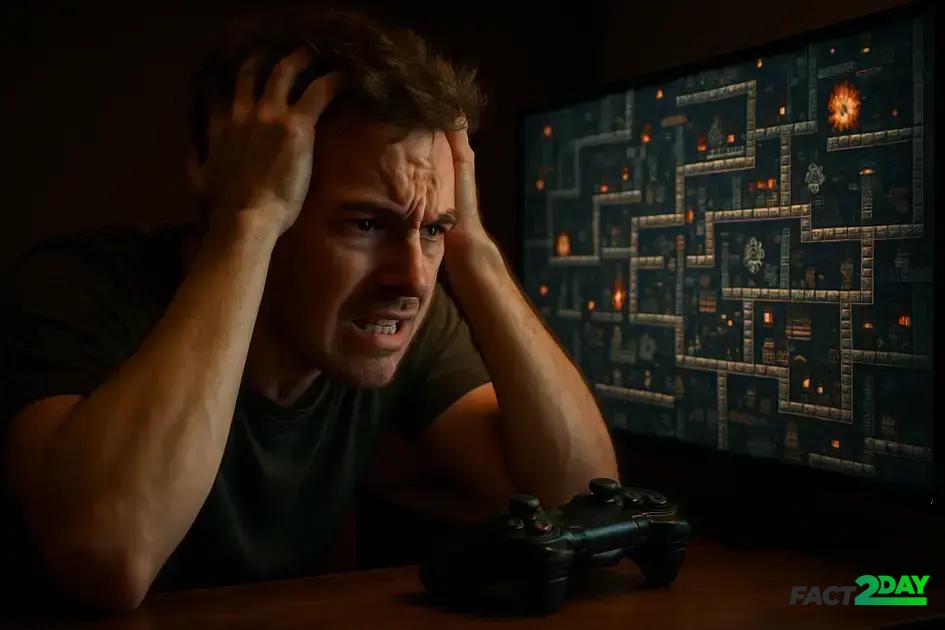
Game difficulty spikes history refers to moments in video games where the challenge unexpectedly increases, testing player skills and patience while influencing game design and player engagement.
Have you ever faced a sudden and brutal challenge that made you question everything? The Game difficulty spikes history is filled with infamous moments that shaped player stories and gaming culture. Let’s walk through some of these frustrating yet memorable walls in gaming.
early examples of notorious difficulty spikes
In the early days of video gaming, difficulty spikes were common and often abrupt, catching players off guard. Classic titles like Ghosts ‘n Goblins and Battletoads became infamous for their ruthless difficulty jumps, requiring precise timing and memorization. These spikes were sometimes a design choice to extend gameplay length, but often led to frustration due to their steep challenge.
Many games from the 80s and 90s featured sudden increases in enemy strength, unpredictable boss fights, or scarce resources, making progression feel like a grind. For instance, Super Mario Bros.: The Lost Levels was a notorious follow-up that doubled down on punishing difficulty with tighter jumps and more deadly hazards.
These early examples set a precedent, showing that difficulty spikes could define a game’s identity. They tested not only player skill but also patience, often sparking passionate communities who swapped strategies or shared tips to overcome these monstrous challenges.
how difficulty spikes impact player experience
Difficulty spikes can greatly affect the overall player experience by introducing sudden, unexpected challenges that disrupt the game’s flow. These spikes often cause frustration, but they can also increase the sense of accomplishment when overcome.
Emotional Impact of Difficulty Spikes
Players might feel overwhelmed or discouraged when facing an abrupt jump in challenge, leading to stress and disengagement. However, some gamers thrive on these moments, finding them thrilling and rewarding. The key lies in balancing difficulty with fairness to maintain motivation.
Effect on Game Flow and Engagement
When difficulty spikes are too harsh or poorly timed, they can break immersion and make the game feel unfair. This often leads to players quitting or seeking easier alternatives. Well-designed spikes, however, act as milestones that test skills and deepen engagement.
Community and Social Influence
Infamous difficulty spikes often spark community discussions, strategy sharing, and even fan-made guides. This social aspect can enhance the experience by turning frustration into collaboration and camaraderie among players.
design lessons from the hardest game moments
Hard difficulty spikes offer valuable lessons for game designers aiming to balance challenge and player satisfaction. Careful pacing ensures players develop skills before facing tougher obstacles, reducing frustration while maintaining engagement.
Importance of Fairness
A key design principle is that difficulty spikes should feel fair. Players expect clear rules and consistent mechanics. When spikes appear abrupt or unfair, they can cause frustration rather than excitement.
Providing Tools and Feedback
Effective game design includes giving players the right tools and feedback. This can mean better weapons, hints, or save points before challenging sections. Clear feedback helps players learn from mistakes and improves their chances for success.
Balancing Challenge with Reward
Designers often use difficulty spikes to create memorable moments. When a tough challenge is matched with satisfying rewards or story developments, it motivates players to push through and builds a strong connection to the game.
Understanding and Embracing Difficulty Spikes
Difficulty spikes have played a significant role in shaping gaming history and player experiences. While they can cause frustration, they also offer moments of challenge that can be very rewarding when overcome.
Game designers continue to learn from these moments, striving to create balanced and fair challenges that keep players engaged without overwhelming them.
Recognizing the impact of difficulty spikes helps players appreciate the craft behind their favorite games and the effort designers put into making gameplay both exciting and satisfying.