Guilt-Free Meat: The Laboratory That Is Recreating the Meat of the Future Without Animal Slaughter
The future of artificial meat reveals a new, cruelty-free way to feed the world with innovative, sustainable technology.
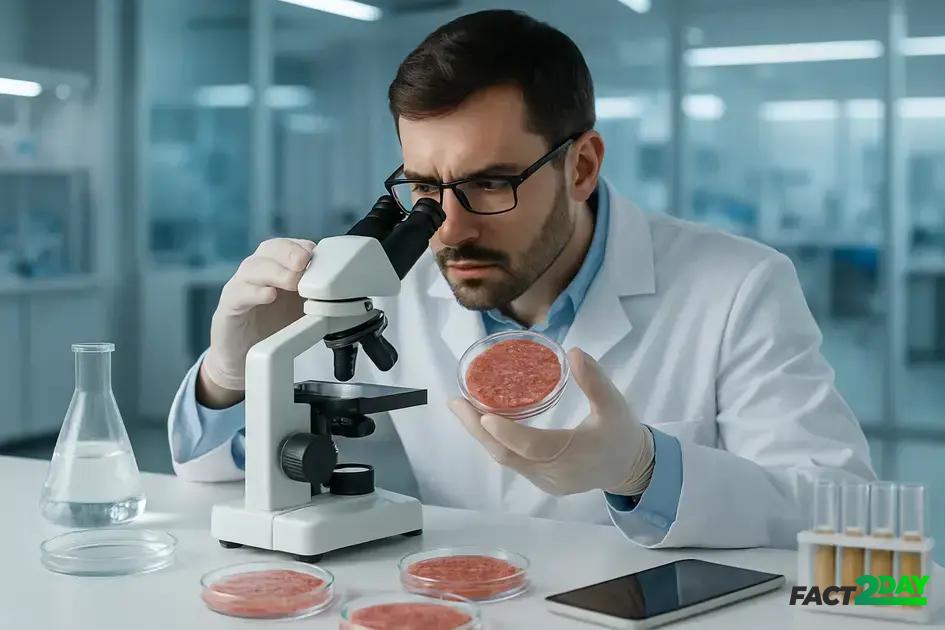
The future of artificial meat involves cultivating animal cells in labs to create sustainable, ethical protein alternatives that reduce environmental impact and meet growing demand without animal slaughter.
The future of artificial meat invites us to look beyond the plate and imagine ways to nourish the planet without animal suffering. Have you ever wondered what it would be like to have real meat, grown in a lab, that respects the cycle of life? Come with me to explore this surprising universe.
How artificial meat is being produced
The production of artificial meat begins with the collection of animal cells, typically stem cells, which have the ability to multiply and transform into muscle tissue. These cells are placed in a nutrient-rich culture medium that mimics the natural environment inside an animal’s body, providing the necessary elements for growth.
Cell Cultivation and Growth
In bioreactors, the cells multiply and differentiate, developing into muscle fibers. Scientists carefully monitor conditions such as temperature, pH, and oxygen levels to ensure optimal growth. This process can produce real meat tissue without the need to raise or slaughter animals.
Scaffolding and Texture
To recreate the structure of traditional meat, cells are grown on scaffolds made of edible or biodegradable materials. These scaffolds provide support, allowing muscle fibers to develop the texture and consistency expected in meat products. Advances in 3D printing and biomaterials contribute significantly to the quality of cultivated meat.
Challenges in Scaling Production
Producing artificial meat at large scale involves overcoming technical challenges such as cost reduction, ensuring food safety, and achieving the desired taste and texture. Continuous research aims to make this technology accessible and affordable, potentially transforming the way we produce and consume meat globally.
the environmental impacts of traditional meat production
The traditional production of meat has a significant impact on the environment. It requires large amounts of land, water, and energy, leading to deforestation, water scarcity, and high greenhouse gas emissions. Livestock farming contributes to nearly 15% of global greenhouse gases, mainly methane, which is much more potent than carbon dioxide.
Land Use and Deforestation
Raising animals for meat demands vast areas to grow feed and provide grazing. This often leads to cutting down forests, which reduces biodiversity and disrupts ecosystems. Forest loss also diminishes nature’s capacity to absorb carbon, worsening climate change.
Water Consumption
Producing traditional meat is water-intensive. It involves watering animals and growing feed crops. For example, producing one kilogram of beef can use up to 15,000 liters of water. This puts extra pressure on freshwater resources, especially in arid regions.
Greenhouse Gas Emissions
Cattle produce methane during digestion, a powerful greenhouse gas. Manure management and feed production also release nitrous oxide and carbon dioxide. These gases trap heat in the atmosphere, accelerating global warming and climate disruption.
the future of conscious consumption and emerging technologies
The future of conscious consumption is closely tied to the rise of innovative technologies aiming to reduce the environmental impact of food production. Consumers today are more aware of their choices, seeking products that are ethical, sustainable, and healthier.
The role of technology in conscious consumption
Emerging technologies such as cultured meat, plant-based alternatives, and precision fermentation are transforming how we produce protein. These solutions offer meat-like experiences with fewer resources and less harm to animals and the environment.
Changing consumer habits
People are increasingly adopting diets that emphasize sustainability, including flexitarian, vegetarian, and vegan lifestyles. Advances in food technology make these options more accessible and appealing by improving taste, texture, and nutrition.
Impact on the food industry
The food industry is responding by investing heavily in research and development of alternative proteins and sustainable packaging solutions. As technology advances, these products are expected to become more affordable, making conscious consumption a mainstream choice worldwide.
Looking Ahead to a Sustainable Food Future
The shift toward conscious consumption supported by emerging technologies offers a promising path to reduce environmental impact and improve animal welfare. As more people choose alternatives to traditional meat, the food industry adapts to meet these new demands with innovative solutions.
These changes not only benefit the planet but also create opportunities for healthier and more ethical eating habits. By embracing these advancements, consumers and producers together can build a sustainable food system that works for everyone.