The Frontier Menu: Exploring the Most Exotic and Unusual Insect Cuisines Around the World
Culinária de insetos exóticos revela sabores únicos e tradições consumidas internacionalmente. Descubra pratos surpreendentes e a riqueza cultural por trás dessa prática.
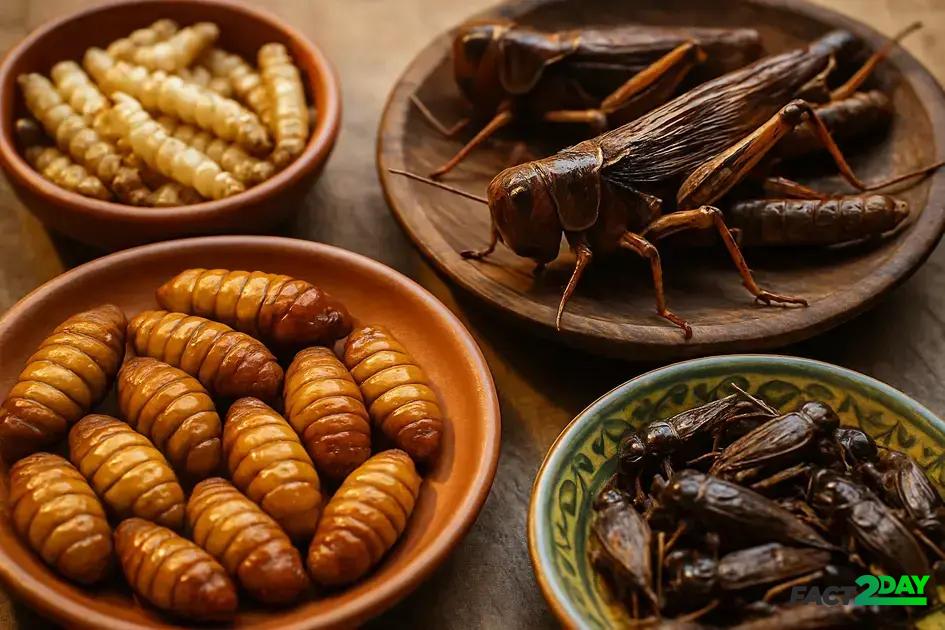
Exotic insect cuisine involves consuming edible insects like crickets, mealworms, and grasshoppers, which offer high protein, unique flavors, and sustainable nutrition embraced by various cultures globally.
Exotic insect cuisine is a fascinating universe that challenges our senses and invites us to experience new flavors. Have you ever thought about savoring a delicacy made from crickets or larvae? Let’s explore this unique menu together and discover what it has to offer.
History and culture of insect cuisine
The history and culture of edible insects stretch back thousands of years. Around the world, many traditional societies have included insects as a vital part of their diet, not only for nutrition but also for cultural significance. In regions of Asia, Africa, and Latin America, insects like beetles, caterpillars, and grasshoppers were harvested seasonally, often celebrated in local festivals.
Cultural Perspectives
In many cultures, eating insects is more than sustenance; it’s a symbol of connection to nature and ancestral practices. For example, in Mexico, chapulines (grasshoppers) have been enjoyed since pre-Hispanic times and continue to be popular in markets and street food. Meanwhile, the Baiga tribe in India historically relies on termites as a protein source during leaner months.
Historical Significance
Archaeological evidence shows that prehistoric humans consumed insects, making entomophagy one of the oldest food practices. In ancient China, insects were valued not only as food but also for their supposed medicinal properties. The use of insects reveals sustainable food practices, reflecting human adaptability to different environments and resources.
Understanding this deep-rooted interaction helps challenge modern taboos and opens up appreciation for alternative, eco-friendly protein sources. Embracing culinary traditions linked to edible insects invites a broader perspective on food and culture worldwide.
most popular edible insects and their characteristics
Many cultures worldwide enjoy a variety of edible insects, each with unique flavors and nutritional benefits. Popular edible insects include crickets, mealworms, grasshoppers, and beetles. These insects are rich in protein, healthy fats, vitamins, and minerals, often surpassing traditional meat sources in nutritional value.
Crickets
Crickets are commonly consumed in Asia and Latin America. They have a mild, nutty flavor and a crunchy texture when roasted. Packed with protein and essential amino acids, crickets are easy to farm, making them a sustainable food source.
Mealworms
Mealworms taste similar to nuts and are often used in protein bars and snacks. They contain high levels of protein and healthy fats used for energy. Farmers raise mealworms in controlled environments, helping reduce environmental impact compared to livestock farming.
Grasshoppers and Locusts
Grasshoppers hold cultural significance in places like Mexico and Africa. Their flavor can range from earthy to slightly smoky when cooked. Locusts can be abundantly harvested, providing an efficient protein source especially during swarming seasons.
Beetles
Beetle larvae are a delicacy in some African and Asian countries. They offer a tender texture and a rich, fatty taste. These insects are valuable not only for their nutrition but also for their role in local cuisine traditions.
Understanding these popular edible insects and their characteristics opens doors to diverse culinary experiences and promotes sustainable eating habits worldwide.
how to incorporate exotic insects into your daily diet
Incorporating exotic insects into daily meals can be simple and nutritious. One way is to start with insect-based snacks like roasted crickets or mealworm chips, which can serve as crunchy additions to salads or sandwiches. These options offer a familiar texture while introducing new flavors.
Using Insect Flour
Insect flours made from ground crickets or mealworms can be added to baked goods like bread, pancakes, and cookies. This method boosts protein content without changing taste drastically, making it a subtle yet effective way to include insects in your diet.
Incorporating Insects into Recipes
Try adding whole or chopped edible insects to stir-fries, tacos, or pasta dishes. When cooked with spices and sauces, insects blend well and enhance the dish’s flavor profile. Many cultures already have traditional recipes that make insects tasty and enjoyable.
Easy Meal Ideas
For beginners, consider mixing roasted crickets into trail mix or sprinkling crushed insects over soups. Smoothies can also be enriched with insect protein powder. Gradually increasing consumption helps adjust taste preferences and opens the door to sustainable eating.
Adopting insects in daily food not only diversifies your meals but also supports environmental sustainability by reducing reliance on conventional meat sources.
Embracing insects as a sustainable food choice
Eating edible insects offers a unique and nutritious way to diversify your diet while respecting cultural traditions.
From history to popular species and easy cooking methods, incorporating insects can be both enjoyable and environmentally friendly.
By trying small steps like insect snacks or insect flour, anyone can explore this growing culinary trend.
Ultimately, embracing insects supports a healthier planet and expands our food possibilities for the future.