The Hunger of War: How Food Was Used as a Weapon and Strategy in Historical Conflicts
Discover how food as a weapon changed the course of wars and impacted populations, revealing little-known strategies and tactics.
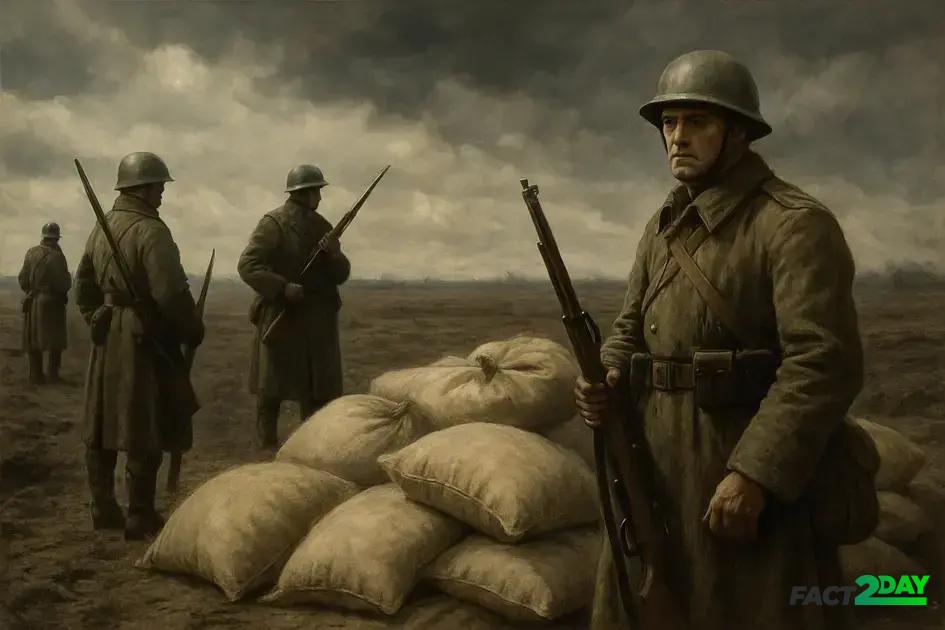
Food as a weapon involves controlling, blocking, or manipulating food supplies and aid in conflicts to weaken opponents and impact civilian populations strategically throughout history and in modern warfare.
Have you ever considered how food as a weapon has become a powerful force in wars throughout history? This article reveals how control of food changed battles and affected lives in profound and often surprising ways.
Food in Antiquity: Tactics and Resource Control
In ancient times, food was more than just sustenance; it was a key strategic resource during conflicts. Armies often planned campaigns around controlling food supplies, knowing that starving an enemy could be more effective than battle. Control of crops, livestock, and storage facilities could determine the success or failure of entire kingdoms.
Early civilizations used various methods to manage resources, such as stockpiling grain and restricting access to fertile lands. Siege warfare commonly involved surrounding a city to cut off its food and water, forcing the population into submission without direct combat. For example, the Assyrians and Romans famously employed these tactics to expand their empires.
The impact of food control also went beyond the battlefield. Rulers would manipulate food distribution to maintain loyalty among populations or punish rebellious groups. This leveraging of food as a political weapon shows how deeply intertwined sustenance and power were even thousands of years ago.
The food blockade and its social consequences
Food blockades have long been used as powerful weapons in warfare, aiming to cut off supplies and weaken entire populations. By restricting access to essential goods like grain, salt, and livestock, armies could bring cities to their knees without firing a single shot. These blockades often caused widespread hunger, disease, and social unrest.
The social consequences of food blockades were devastating. Families faced starvation, children suffered from malnutrition, and public health crises became common. In many cases, blockades deepened inequalities, as the wealthy secured food at the expense of the poor. This imbalance sometimes sparked riots, rebellions, and long-term damage to the affected communities.
Governments and leaders would sometimes use blockades as a form of economic punishment or intimidation, targeting both civilian populations and enemy forces. The legacy of these tactics is still felt today in areas where access to food remains a critical issue during conflicts.
Modern strategies involving food in armed conflicts
Modern conflicts have seen food used as a strategic tool in new and complex ways. Warring parties may deliberately destroy crops, poison water supplies, or disrupt supply chains to weaken their enemies. These tactics target both combatants and civilians, causing prolonged suffering and destabilizing regions.
In some cases, humanitarian aid becomes a battleground. Aid convoys and food relief efforts can be manipulated or blocked, worsening crises. Rebel groups and governments might control aid to reward allies or punish populations, turning food into a weapon beyond the battlefield.
Economic sanctions and trade restrictions also reflect modern food strategies. By limiting exports of key commodities or access to markets, nations can apply pressure without direct combat. These approaches show how food remains a powerful instrument in global politics and warfare today.
Understanding the power of food in warfare
The use of food as a weapon in war has shaped history in profound ways, from ancient tactics to modern strategies. Controlling resources, blockades, and manipulation of aid all demonstrate how vital and powerful food can be beyond the battlefield.
Recognizing these methods helps us better comprehend the impact of conflicts on civilians and the lasting scars they leave on societies. It also reminds us of the importance of protecting access to food as a basic human right, even in times of war.
By learning from history, we can advocate for more humane policies and support efforts to mitigate the devastating effects of hunger in armed conflicts worldwide.