The Rebel Stomach: How Food Intolerances Were Viewed and Dealt with in Ancient Cultures
Intolerâncias alimentares antigas revelam como culturas ancestrais compreendiam e enfrentavam desafios digestivos sem os recursos modernos que temos hoje.
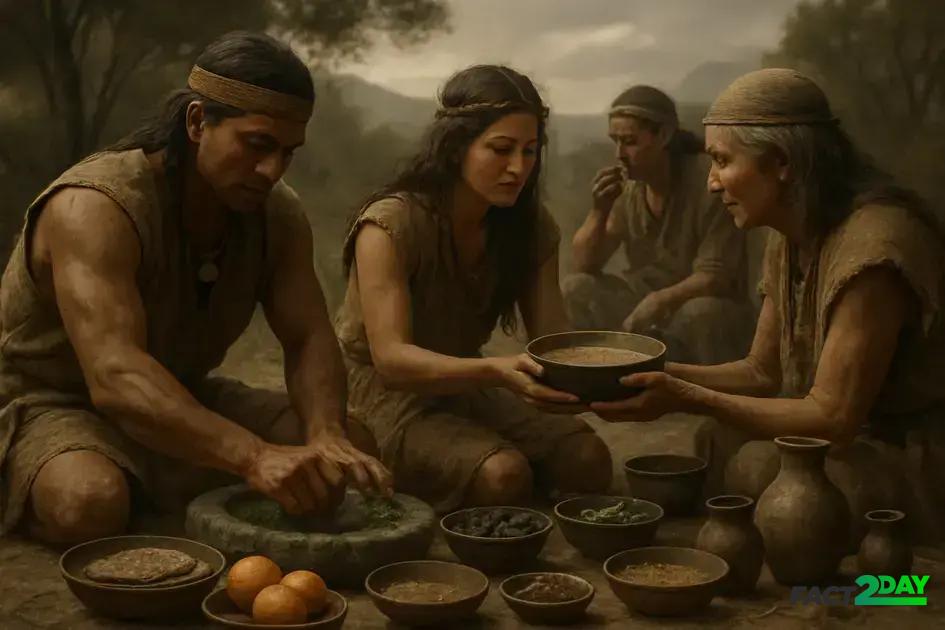
Ancient food intolerances refer to the recognition and management of adverse reactions to food in past cultures, where these conditions were interpreted through traditional practices, spiritual beliefs, and cultural observations to maintain physical and spiritual balance.
Have you ever noticed how your body reacts unexpectedly to certain foods? Ancient food intolerances show that our digestive difficulties are not exclusive to modern times—they span time and culture, revealing surprising solutions and understandings. Want to discover how these stories can illuminate your relationship with food today?
Cultural Perceptions of Food Discomfort
Throughout history, different cultures viewed digestive discomfort in unique ways that influenced how people reacted to food sensitivities. In many ancient societies, symptoms like bloating, cramps, and nausea were often linked to spiritual or cosmic forces rather than strictly physical causes. These cultural perceptions shaped the understanding of food intolerance and dictated the dietary habits of communities.
For example, some cultures believed that certain foods disrupted the balance between the body and the environment. They categorized foods as “hot” or “cold,” avoiding those that could cause an imbalance in an individual’s health or temperament. This approach highlights how food intolerance was perceived through a holistic lens, blending physical symptoms with emotional and spiritual well-being.
In other societies, food-related discomfort was considered a sign of impurity or punishment and was often treated with rituals rather than modern medical solutions. These beliefs influenced not only nutrition but also societal attitudes towards individuals showing digestive issues.
The role of tradition and community
Social norms and traditional knowledge played a crucial role in recognizing and managing digestive problems. Elders and healers passed down advice based on observation and cultural lore, which helped guide families to avoid problematic foods or adopt special preparations to ease digestion.
Understanding these cultural perceptions about digestive discomfort enriches our modern view of food intolerances, revealing a complex interplay between body, mind, and society that still influences how we approach diet and health today.
traditional practices to identify and treat intolerances
Traditional practices for identifying and treating food intolerances varied widely but often relied on careful observation of symptoms and trial-and-error dietary changes. Many ancient cultures noticed connections between consuming certain foods and digestive distress, leading them to develop natural methods to detect intolerances.
Elimination diets were commonly used, where suspected foods were removed from the diet temporarily to see if symptoms improved. This simple but effective practice helped individuals and healers pinpoint problematic foods without modern testing.
Herbal remedies played a key role in treating symptoms of food intolerance. Ingredients like ginger, peppermint, and fennel were used to soothe the stomach and improve digestion. These natural treatments complemented dietary adjustments and provided relief without complex medications.
Role of healers and community knowledge
Healers often combined medical knowledge with spiritual guidance, performing rituals or recommending lifestyle changes alongside dietary advice. Their expertise was crucial in providing personalized care based on the individual’s unique symptoms and cultural context.
Fermentation and food preparation techniques were also employed to reduce the impact of allergens and toxins. For example, fermenting grains or soaking legumes helped break down compounds that might cause digestive issues, making foods easier to tolerate.
connections between food, health and spirituality
In many ancient cultures, food was seen as much more than mere sustenance; it was deeply connected to health and spiritual well-being. The choices people made about what to eat reflected their beliefs about balance in the body and harmony with the universe. Food was often intertwined with spiritual rituals and used as a means to promote not only physical health but also mental and spiritual clarity.
Dietary restrictions and food taboos were common, believed to protect individuals from spiritual harm or illness. Certain foods were considered sacred or forbidden depending on the community’s cosmology. This belief shows how nutrition and spirituality were inseparable in understanding health.
Healing rituals and food offerings
Many cultures performed ceremonies involving the preparation and sharing of food to honor deities and seek healing. These rituals underscored the belief that what entered the body affected the soul and the spirit. The act of eating became a sacred experience, reinforcing connections between the individual, community, and the divine.
This holistic perspective created a framework where physical symptoms of food intolerance might be seen as signals of spiritual imbalance. Thus, addressing these imbalances required attention to both diet and spiritual practices, a concept that is gaining renewed interest today in integrative health approaches.
Bringing ancient wisdom to modern understanding
Exploring how ancient cultures viewed and managed food intolerances gives us valuable insights into the close ties between diet, health, and spirituality. These traditions remind us that food impacts more than just our bodies—it also influences our overall balance and well-being.
By learning from past practices and beliefs, we can approach food intolerances with a broader perspective that honors both science and holistic care. This balance helps us create healthier relationships with what we eat and fosters awareness of how food shapes our health in many ways.
Embracing this wisdom encourages us to listen carefully to our bodies and appreciate the deeper connections food holds in our lives.