Global Umami: How the Fifth Flavor Unites Cultures and Reunites Palates Around the World
O umami em diferentes culturas revela como esse sabor rico e profundo conecta paladares e tradições ao redor do mundo, convidando você a experimentar o novo.
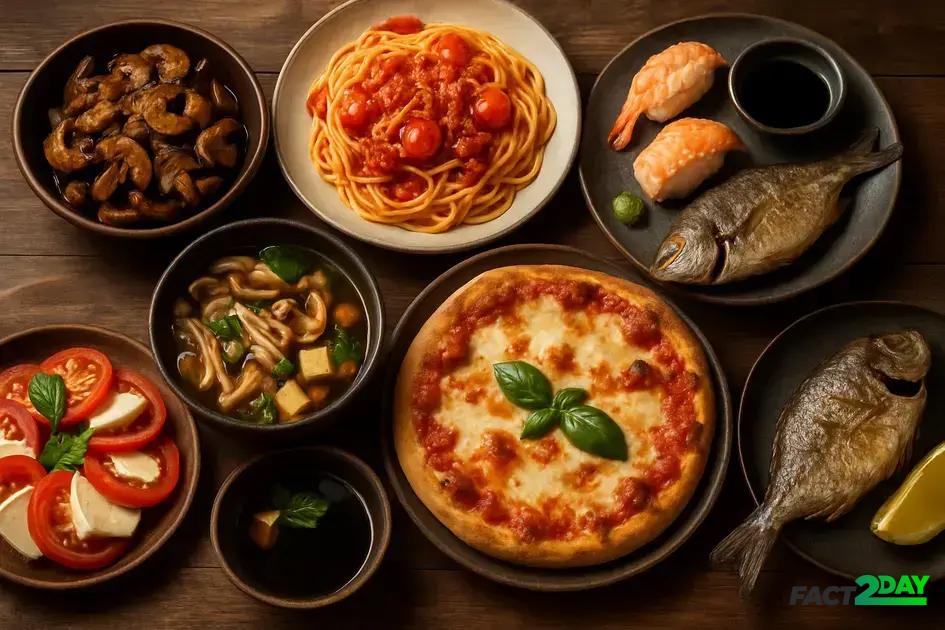
Umami in different cultures refers to the shared savory taste found in global cuisines, connecting traditional ingredients like seaweed, aged cheese, and fermented sauces to create rich, flavorful dishes that unite palates worldwide.
Umami in different cultures is more than just a simple flavor: it’s a bridge that unites diverse traditions and reinforces how palates can meet around the world. Have you ever been curious about how this subtle taste appears in the food you love?
What is umami and its cultural discovery
Umami is often called the fifth taste, alongside sweet, sour, salty, and bitter. It was first identified in Japan by Kikunae Ikeda in 1908, who noticed a distinct savory flavor in seaweed broth. This taste comes from naturally occurring amino acids like glutamate, which are found in various foods worldwide.
The discovery of umami helped explain why certain ingredients enhance flavors and create a satisfying, rich taste that lingers. It is present in foods such as fermented soy products, aged cheeses, ripe tomatoes, mushrooms, and broths made from meat or fish.
Culturally, umami has been embraced in many culinary traditions, even before its scientific recognition. For example, in Japanese cuisine, dashi broth made from kombu seaweed is a primary source of umami, while Italian dishes often rely on Parmesan cheese and ripe tomatoes to deliver this flavor profile.
Understanding umami reveals how different cultures have instinctively used ingredients rich in glutamates to improve the taste of their dishes and create comfort foods with deep, complex flavors.
How different cultures use umami in their cuisines
Umami manifests uniquely across global cuisines, shaped by local ingredients and cooking styles. In Japanese cooking, umami is highlighted through dashi, a broth made with kombu seaweed and bonito flakes, providing a deep savory base for soups and sauces. This subtle taste underpins many dishes, from miso soup to ramen.
In Italian cuisine, umami appears in aged cheeses like Parmesan and cured meats such as prosciutto. Tomatoes, especially when cooked or sun-dried, also pack a rich umami punch that enhances pasta sauces and stews. These ingredients add layers of flavor, creating hearty and satisfying meals.
South-east Asian cuisines like Thai and Vietnamese rely heavily on fermented products such as fish sauce and shrimp paste, which contribute a bold umami flavor. These ingredients boost soups, curries, and dipping sauces with intense depth and complexity.
In Western cooking, mushrooms and slow-cooked meats unlock umami with their rich glutamate profiles. Techniques like roasting and braising caramelize natural sugars while intensifying savory notes. This use of umami-rich components aims to create comforting and deeply flavored dishes enjoyed worldwide.
Understanding how different cultures embrace umami not only expands our culinary horizons but also highlights a shared pursuit of enhancing taste and enjoyment through natural savory flavors.
The influence of umami on the connection between gastronomic cultures
Umami plays a unique role in bridging culinary cultures by highlighting common flavors that resonate globally. This savory taste connects dishes from Asia, Europe, and the Americas, creating a shared sensory experience that goes beyond language and tradition.
Chefs and food lovers often embrace umami-rich ingredients to fuse flavors from different cultures. For example, using soy sauce in Western cooking or incorporating Parmesan into Asian-inspired recipes demonstrates how umami encourages creativity and culinary exchange.
This taste also helps to unify diverse eating experiences by adding depth and satisfaction to meals, making flavors feel more complete and balanced.
Understanding umami fosters greater appreciation for cultural food diversity and highlights how different regions have independently discovered ways to enhance flavor through natural ingredients rich in glutamates. As culinary globalization advances, umami continues to act as a cultural ambassador on plates worldwide.
The influence of umami, therefore, is not just about taste, but also about bringing people together through the universal joy of delicious food.
The global impact of umami on food culture
Umami is more than just a taste; it is a powerful force that connects diverse cultures through food. By highlighting the savory goodness found in many traditional ingredients, umami helps us appreciate how different peoples enhance their meals in unique yet similar ways.
As global cuisine continues to blend and evolve, understanding umami allows us to enjoy richer flavors and build bridges between culinary traditions. Embracing umami not only improves our meals but also brings us closer, one delicious bite at a time.