From Fire to Fast Food: The Epic Journey of Human Nutrition Through History
A evolução da nutrição revela como mudamos nossa forma de comer, do fogo ao fast-food, impactando nossa saúde e cultura de formas surpreendentes.
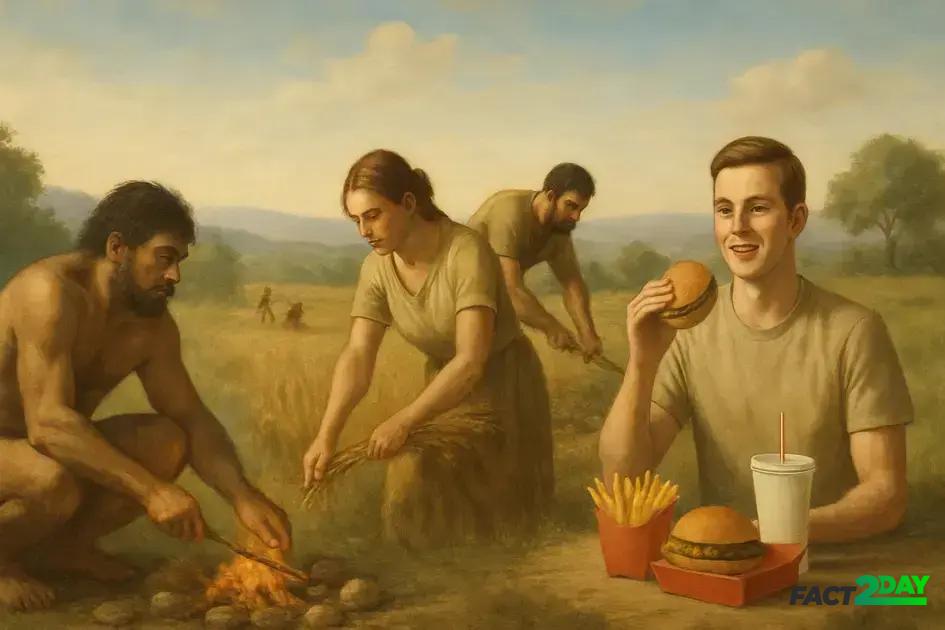
The evolution of nutrition traces humanity’s journey from cooking with fire, to agriculture and industrial food production, leading to modern challenges like processed foods and diet-related health issues.
Have you ever stopped to think about how the evolution of nutrition shaped our history? From the discovery of fire to today’s fast food meals, this journey reveals profound changes that influence our health and way of life.
The origin of human nutrition and the mastery of fire
The origin of human nutrition began millions of years ago, when early humans discovered the power of fire. This discovery was a pivotal moment, allowing them to cook food, which made it safer and easier to digest. Cooking also unlocked new flavors and nutrients, shaping a profound change in human diets and biology.
The Role of Fire in Early Diets
Using fire to cook helped early humans consume a wider variety of foods, including tough plants and raw meat, increasing their nutrient intake and energy levels. Cooked food contributed to the development of smaller teeth and digestive systems compared to other primates.
How Cooking Affected Human Evolution
The ability to cook likely played a significant role in human evolution by supporting brain growth and social behaviors. Sharing cooked meals fostered cooperation and communication within groups, laying the foundation for culture and society.
Tools and Techniques in Early Food Preparation
Along with fire, early humans developed simple tools like stone knives and grinding stones, helping them process and prepare food more effectively. These innovations mark the beginning of nutrition as both survival and a shared human experience.
transformations in nutrition with agriculture and industry
The rise of agriculture marked a major shift in human nutrition, moving from hunting and gathering to farming crops and domesticating animals. This change allowed for a more stable food supply and the development of diverse diets. Staple foods like grains, legumes, and dairy became central to daily meals.
The Agricultural Revolution’s Impact
Agriculture introduced new challenges and opportunities, as people learned to cultivate land, store surplus food, and settle in permanent communities. These practices supported population growth but also led to changes in nutrition, including increased carbohydrate consumption and periodic food shortages.
The Industrial Revolution and Food Processing
Centuries later, the Industrial Revolution transformed nutrition again by introducing mass food production, preservation techniques, and transportation innovations. Processed foods became common, making food more accessible but sometimes less nutritious due to additives and refined ingredients.
Nutrition and Society in the Industrial Age
With industrialization, diets diversified, but new health issues emerged, like malnutrition and obesity, linked to changing lifestyles and food availability. Understanding these effects led to the development of nutrition science and public health initiatives.
the challenges and impacts of nutrition in the modern era
The modern era brought significant challenges and impacts to nutrition, largely due to fast-paced lifestyles and the widespread availability of processed foods. These changes have altered eating habits, often leading to poor diet quality and health issues like obesity and diabetes.
The rise of processed and fast foods
Processed foods often contain high levels of sugars, fats, and additives, making them less nutritious but highly convenient. Fast food culture emphasizes speed and taste over health, contributing to unbalanced diets worldwide.
Health consequences of modern diets
These dietary shifts have been linked to a rise in chronic diseases. Nutritional imbalances affect metabolism and immune function, increasing the risk of heart disease, certain cancers, and other conditions.
Addressing modern nutritional challenges
Awareness and education play crucial roles in combating these issues. Emphasizing whole foods, balanced meals, and mindful eating helps restore better nutrition. Public health policies and innovations also focus on improving food quality and accessibility.
Looking ahead: embracing better nutrition
Understanding the challenges and impacts of modern nutrition helps us make smarter food choices. Prioritizing whole, natural foods can improve our health and prevent many diet-related diseases.
By staying informed and mindful, we can adapt our eating habits to support a healthier lifestyle. Small changes in diet and awareness can lead to big improvements in well-being over time.
Ultimately, taking control of nutrition today sets the foundation for a stronger, healthier future for everyone.