To Eat or Not to Eat? The World’s Most Barbaric and Unusual Food Superstitions
Descubra as mais intrigantes superstições sobre comida que cruzam culturas e surpreendem pela sua bizarrice e poder simbólico.
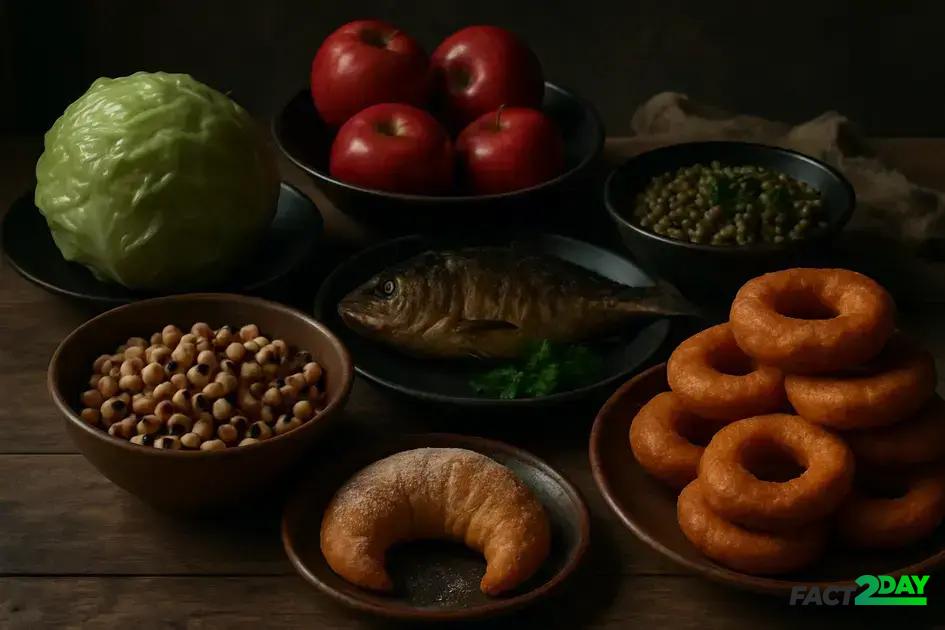
Superstitions about food are cultural beliefs that influence eating habits, reflecting traditions, fears, and social behaviors tied to health, luck, and identity across different societies.
Have you ever wondered why some people avoid certain foods because they believe in superstitions? Superstitions about food are a fascinating mix of culture, fear, and tradition that shape our dining habits in surprising ways.
Ancient superstitions and their impact on food choices
Ancient food superstitions often stem from cultural beliefs and fears that influenced what people ate and avoided. In many societies, certain foods were believed to carry spiritual significance, either bringing good luck or misfortune. For example, in some cultures, eating fish on certain days was thought to ensure a year’s worth of health, while in others, consuming specific meats during festivals was strictly prohibited to prevent bad omens.
The role of tradition in food choices
Historically, these superstitions helped communities maintain order and ritual around meals. Food taboos often reflected deeper religious or social norms, such as avoiding pork in Judaism and Islam for both health and spiritual reasons. These beliefs shaped not only diets but also the agricultural practices and economies of regions.
Impact on modern eating habits
Though many ancient superstitions have faded, some still affect modern food choices and habits. For instance, superstition around not eating grapes at certain times due to beliefs of bad luck persists in parts of Europe. Understanding these ancient food myths reveals how deeply intertwined culture and food are, influencing preferences and taboos even today.
foods surrounded by taboos and unusual beliefs
Throughout history, many foods have been surrounded by strong taboos and unusual beliefs. These taboos often reflect cultural fears, superstitions, or symbolic meanings assigned to certain ingredients. For example, in some cultures, eating eggs at night is thought to attract evil spirits, while in others, consuming mushrooms picked at specific times is believed to cause sickness or bad luck.
Examples of taboo foods around the world
Insects and exotic animals are taboo in many societies despite being common food sources in others. For instance, eating insects is popular in some Asian and African cultures but considered strange or forbidden elsewhere due to superstition or dietary laws. Similarly, certain meats like horse or dog meat are taboo in parts of the world, shaped by cultural history and religious beliefs.
How unusual beliefs influence food behavior
Food taboos can also affect social interactions and celebrations. In some cultures, breaking a food taboo might cause embarrassment or ostracism. These superstitions often dictate not only what people eat but also how food is prepared and served. Understanding these unusual beliefs gives us insight into the diverse human relationship with food and its role beyond mere sustenance.
what superstitions tell us about culture and behavior
Food superstitions reveal much about a culture’s values, fears, and social behaviors. They often serve as a way to explain the unknown or control uncertainties related to health and luck. For example, avoiding certain foods after a loss might be seen as respecting the dead or preventing bad luck. These beliefs tie food closely to deeper human emotions and communal identity.
Cultural identity through food beliefs
Superstitions act as cultural markers, distinguishing groups and linking them through shared traditions. For instance, a community’s food taboos might protect sacred animals or plants, emphasizing respect for nature and spiritual balance. Such practices strengthen a culture’s uniqueness and continuity over generations.
The psychological and social impact
On a psychological level, these superstitions provide comfort and a sense of control during uncertain times, such as illness or celebrations. Socially, they encourage conformity and cohesion by establishing common rules around food. This helps prevent conflicts and reinforces group belonging, even if the practices seem odd or irrational to outsiders.
Understanding food superstitions and their role
Food superstitions continue to shape how people eat and view certain dishes. They reflect deep cultural values, helping communities stay connected to their history and to each other.
While some beliefs may seem strange, they offer insight into human psychology and social behavior. Recognizing these traditions can deepen our appreciation for different cultures and the stories behind everyday meals.
Embracing this knowledge allows us to see food not just as nourishment but as a bridge between past and present, uniting people in unique and meaningful ways.