The Vegan Future: The Amazing Plants That Can Produce Meat and Dairy Flavors and Textures
Plantas que produzem carne/laticínios trazem sabores e texturas surpreendentes, mimetizando alimentos tradicionais de forma saudável e sustentável.
Plants that produce meat and dairy flavors use proteins, fats, and biotechnology to mimic animal products’ taste and texture, offering sustainable, healthy alternatives with ongoing innovations that improve quality and consumer acceptance.
Have you ever imagined if plants existed that produced meat and dairy and could transform our relationship with food? Nature holds surprises that go far beyond the obvious, inviting a close and curious look at these ingredients that defy convention.
How plants mimic meat and dairy
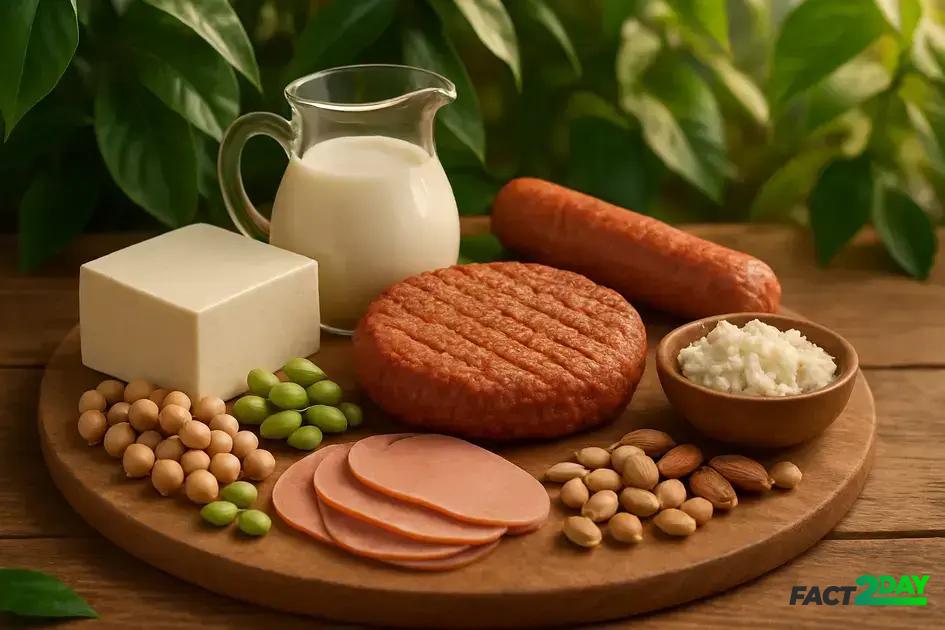
Many plants have been scientifically developed or naturally possess the ability to imitate the taste and texture of meat and dairy products. This happens through the combination of plant proteins, fats, and fibers, carefully processed to replicate the characteristics we associate with animal-based foods.
Plant Proteins as Meat Alternatives
Pea protein, soy, and wheat gluten are commonly used as bases for meat substitutes. Their texture can be modified through processes like extrusion to mimic the chew and consistency of various meats. These proteins are often combined with natural flavors and colorants derived from plants to achieve a realistic taste and appearance.
Creating Dairy-Like Textures from Plants
For plant-based dairy, ingredients such as nuts (almonds, cashews), oats, and coconut are utilized. These provide a creamy consistency and can be fermented or cultured to develop flavors similar to cheese and yogurt. Innovations in fermentation technology allow for even closer mimicking of dairy’s complex flavor profile.
The Role of Biotechnology and Innovation
Advancements in biotechnology help improve these plant-based products further. For example, precision fermentation produces specific proteins like casein without animals, enhancing the taste and texture of vegan cheeses. Biotech also helps reduce the need for additives, creating cleaner-label products that appeal to health-conscious consumers.
Altogether, these approaches allow for a new generation of plant-based foods that meet the demands of people seeking cruelty-free, sustainable, and delicious alternatives to traditional meat and dairy.
Environmental and health benefits of these plants
Plant-based alternatives to meat and dairy offer significant environmental benefits. Producing these plants consumes far less water and land compared to traditional livestock farming. This helps reduce deforestation and conserves vital natural resources.
Lower greenhouse gas emissions
Livestock is a major source of methane, a potent greenhouse gas. By shifting to plants that produce meat and dairy flavors, we can dramatically cut emissions. This change supports efforts to slow climate change and protect ecosystems.
Health advantages of plant-based foods
These plant-based products often contain less saturated fat and cholesterol than animal products, which can help reduce the risk of heart disease. They are also rich in fiber, vitamins, and antioxidants that promote overall wellness.
Supporting sustainable food systems
Using plants to mimic meat and dairy encourages sustainable agriculture. It fosters biodiversity and reduces reliance on intensive farming practices. This benefits both the planet and the health of future generations.
Overall, embracing these innovative plants aligns with a more responsible and health-conscious lifestyle without sacrificing taste or texture.
Challenges and the future of meat and dairy plants
Despite impressive advances, there are still significant challenges in developing plants that fully replicate meat and dairy products. One major hurdle is achieving perfect texture and flavor that satisfy all consumer expectations. The complexity of animal proteins is hard to mimic exactly with plants.
Technical and sensory challenges
Many plant-based products require additives or processing techniques to improve taste and mouthfeel. Continuous innovation is necessary to develop cleaner, more natural ingredients without sacrificing quality. Balancing nutrition, taste, and texture remains a delicate task.
Market acceptance and cost
Consumer habits are slow to change, and some people remain hesitant about plant-based alternatives. Pricing these products competitively compared to traditional meat and dairy is another obstacle. Economies of scale and improved production methods will be key to making these options accessible to all.
The future of plant-produced meat and dairy
Biotechnology and fermentation advances hold promise for overcoming current limitations. Precision fermentation may produce proteins identical to those found in animals but without involving them, improving authenticity. As awareness grows, demand is likely to spark more investment and innovation.
Collaboration between scientists, industry, and policymakers will accelerate this transformation towards sustainable, ethical food systems that do not compromise on taste or nutrition.
The promise and path forward for plant-based meat and dairy
Plants that produce meat and dairy flavors offer exciting solutions to environmental and health challenges. While some hurdles remain, ongoing innovation is rapidly improving taste, texture, and affordability.
As technology advances and more people embrace these alternatives, plant-based foods will play a key role in a sustainable food future. Together, science and consumer choice can create a world where enjoying delicious meals also means caring for the planet.