The Secret Sweetness: The Fascinating History of Natural Sweeteners Before Sugarcane
Adoçantes naturais antigos revelam segredos do sabor doce antes da cana-de-açúcar dominar, um convite para redescobrir tradições e sabores esquecidos.
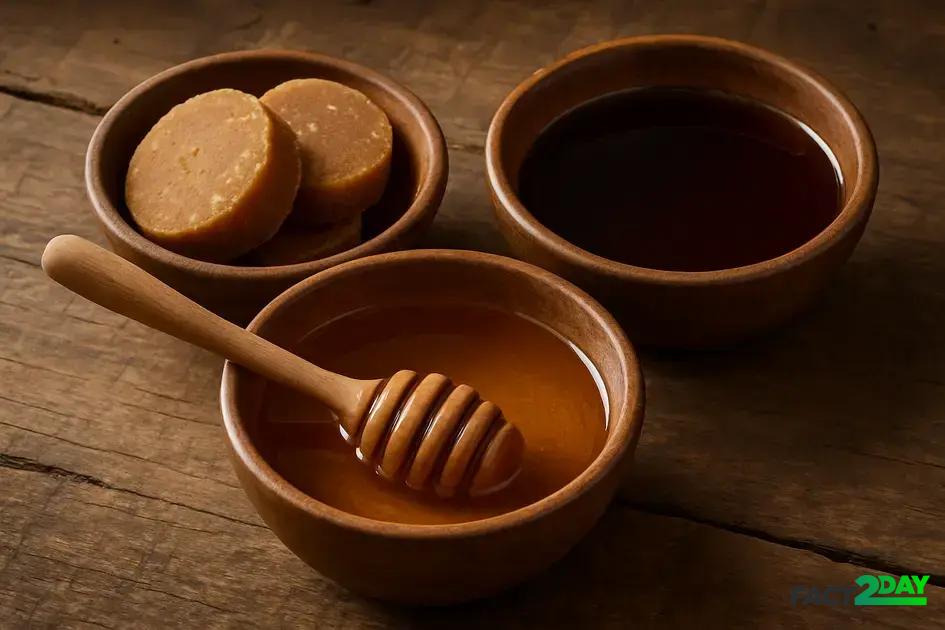
Ancient natural sweeteners include honey, maple syrup, and palm sugar, produced and consumed by ancient civilizations using sustainable methods that influenced culture and environment before sugarcane’s dominance.
Have you ever heard of the ancient natural sweeteners that paved the way for sugar as we know it today? Perhaps you never stopped to consider that long before sugarcane dominated palates, other sweet sources amazed peoples around the world. Come discover these delicious secrets and their fascinating history.
The Diversity of Ancient Natural Sweeteners and Their Uses
The world of ancient natural sweeteners is diverse and rich, far beyond common sugarcane. Different civilizations used a variety of sweet substances extracted from plants and other natural sources. For example, honey was one of the most widely used sweeteners, prized not only for its sweetness but also for its medicinal properties and as a natural preservative.
Maple syrup, derived from the sap of maple trees, was a vital natural sweetener for Native American cultures. It provided a unique flavor and was valued for its natural and cyclical production process.
Similarly, palm sugar, made from the sap of various palm trees, was common in parts of Asia and Africa, serving both culinary and cultural roles, often molded into blocks or granules for easy storage. Beyond these, extracts from fruits like dates and figs, and even saps from other trees, complemented the palette of sweet flavors.
Uses Across Time and Cultures
These ancient natural sweeteners were used in countless ways, reflecting their importance in societies. In cooking, they were essential for sweetening beverages, dishes, and desserts, playing a fundamental role in local gastronomy. For instance, honey was a key ingredient in breads, cakes, and fermented drinks.
Beyond taste, they played important roles in preserving fruits and preparing traditional dishes, such as honey-candied fruits or cured meats. Some ancient societies also mixed these sweeteners with herbs and spices to create herbal remedies, elixirs, or luxury treats, highlighting their medicinal properties and social status.
Their use in religious ceremonies and rituals was also common, where sweetness was often associated with prosperity, blessings, and offerings to the gods. The diversity of natural sweeteners demonstrates human creativity and adaptation to their environments, utilizing local resources before the spread of sugarcane transformed the global sweetener market.
How Ancient Civilizations Produced and Consumed These Sweeteners
Ancient civilizations developed unique methods to produce and consume ancient natural sweeteners that suited their environments and cultures. Honey harvesting, for example, involved collecting honeycombs from wild bees, a practice that required careful knowledge of bee behavior and environmental conditions.
This often dangerous activity was highly valued, and honey was consumed directly, used in cooking, or even as a form of payment and currency. The development of rudimentary beekeeping techniques allowed for more controlled and consistent production.
In North America, indigenous peoples tapped maple trees to gather sap, which was then slowly boiled down in clay or wooden containers to concentrate the sugar and create sweet maple syrup. This process, carried out in early spring, involved making incisions in the bark and using spiles or birch bark buckets to collect the fluid.
The syrup was enjoyed as a sweetener or ingredient in meals and ceremonies, and also transformed into granulated sugar for storage.
Palm Sugar Production and Consumption
In many ancient Asian and African communities, palm trees were a vital source of sweetness. At night, artisans climbed palm trees to make incisions in the inflorescences and collect the sugary sap in hanging pots.
This sap was then slowly boiled to evaporate water, producing concentrated palm sugar, known by different names such as jaggery (India), gula melaka (Malaysia), or arenga sugar (Indonesia).
The sugar was molded into cakes, cones, or blocks for easier storage and and use, being incorporated into daily cooking, desserts, and ritual offerings, with each palm variety (coconut, date, sago) offering distinct nuances of flavor and texture to the final product.
These ancient techniques reflect a deep understanding of natural cycles and local resources. Sweeteners were not only food but also held cultural and, at times, spiritual significance. Their production required patience, skill, and a connection with nature that shaped the daily life and social practices of these civilizations.
The Cultural and Environmental Role of Ancient Natural Sweeteners
Before sugarcane became widespread, ancient natural sweeteners played a fundamental role in both culture and the environment. Many ancient societies regarded sweeteners like honey, maple syrup, and palm sugar as valuable resources with symbolic and economic significance.
In many cultures, honey was seen as a gift from nature or the gods, often used in religious ceremonies and traditional medicine, symbolizing purity and prosperity. Its collection and production were often communal activities that connected people with the land and its natural cycles, strengthening social bonds and respect for the ecosystem. These sweeteners also served as valuable trade items, highlighting their economic weight.
Environmental Influence and Sustainability
The harvesting of ancient natural sweeteners typically encouraged sustainable practices. For example, tapping maple trees or collecting sap from palm trees had to be done carefully to avoid damaging the trees, ensuring they could continue to produce sap for many years.
This care in managing natural resources helped preserve forests and maintain biodiversity, as the communities’ livelihoods directly depended on the health of these ecosystems.
Natural sweeteners also influenced local ecosystems in beneficial ways. Beekeeping promoted for honey production, for instance, supported healthy bee populations essential for pollinating various plants. In some regions, traditional methods of sweetener collection fostered harmony between humans and their environment, protecting natural resources and supporting ecological balance.
The transition to large-scale sugarcane cultivation, driven by economic and colonial needs, later dramatically transformed landscapes and agricultural practices, leading to monoculture and environmental degradation in many places. However, the legacy of ancient natural sweeteners reveals a profound cultural and ecological connection that shaped much of human history, offering valuable lessons on sustainability.
Discovering the Sweet Past of Natural Sweeteners
Ancient natural sweeteners have shaped human culture and the environment long before sugarcane dominated the world. Their diverse origins and traditional methods show us a connection to nature that is both rich and sustainable.
Understanding these ancient sweeteners helps us appreciate the value of natural resources and the care taken by past civilizations in their management. This history invites us to explore alternative sweet options and respect the ecological balance behind them.
By looking back, we can also find inspiration for more mindful and sustainable ways to enjoy sweetness in our lives today.