The Great Journey: The Most Spectacular and Mysterious Animal Migration Phenomena on the Planet
Fenômenos de migração em massa revelam a incrível jornada dos animais pelo planeta, uma dança entre instinto, sobrevivência e mistério natural.
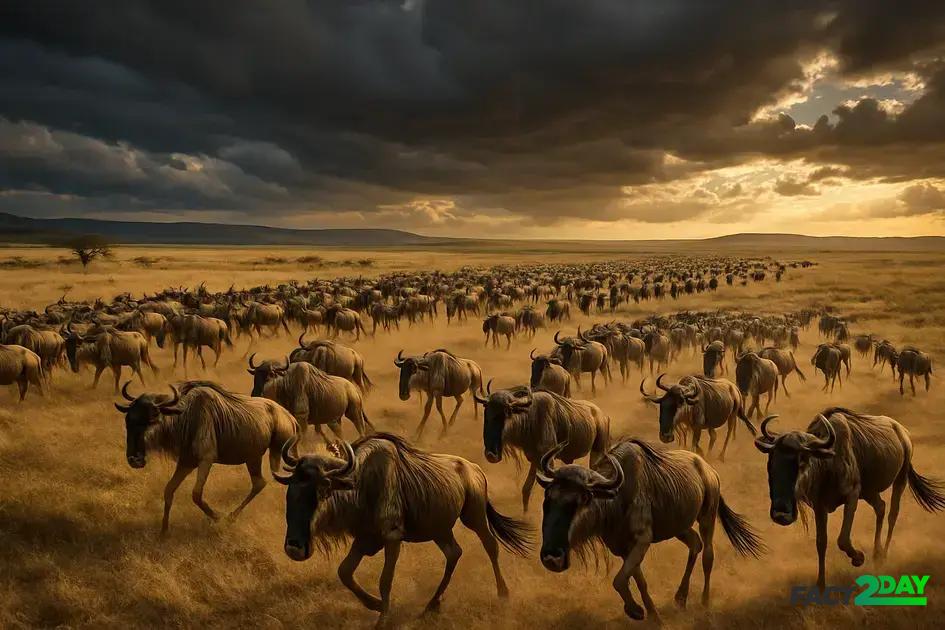
Mass migration phenomena are natural movements in which large groups of animals travel long distances guided by instincts, environmental factors, and biological needs, facing challenges such as climate change and human barriers that impact ecosystems and global biodiversity.
Mass migration phenomena are a spectacle of nature that fascinates those who observe them. Have you ever felt that curiosity when imagining the paths of thousands of animals on their journey? I invite you to discover these incredible movements that shape the planet.
Understanding the reasons behind mass migrations
Mass migration in animals is driven mainly by the search for food, mating opportunities, and suitable climate. These movements show how species adapt to seasonal changes and the availability of resources, making survival possible.Understanding animal migration requires looking at both environmental cues and biological instincts. For example, many birds rely on changes in daylight length to trigger their journeys, while large herbivores move to find fresh grazing grounds.
Environmental factors
Climate, temperature, and food supply are the biggest reasons animals migrate. When seasons change, some regions become harsh and less livable. This forces species to travel long distances to more hospitable locations.
Biological urges
Reproduction is another critical factor. Many animals migrate to specific breeding grounds where the conditions favor the growth and safety of their offspring. This instinct ensures the continuation of the species.
Navigation and guidance
Animals use a variety of natural cues for navigation, including the sun, stars, magnetic fields, and landmarks. This incredible ability helps them complete their journey even across vast and unfamiliar territories.
The surprising trajectories of great animal migrations
The great animal migrations cover vast distances, sometimes thousands of miles, across diverse landscapes. These journeys often follow ancient routes shaped by generations of animals. For instance, the wildebeest migration in the Serengeti is one of the most famous, where over a million animals cross rivers and plains in search of greener pastures.
Varied migration paths
Migration routes vary widely among species. Monarch butterflies travel from North America to central Mexico, a trip spanning multiple generations. Meanwhile, gray whales migrate between cold Arctic waters and warmer breeding grounds near Mexico.
Challenges along the way
Throughout their travels, animals face numerous obstacles, including predators, harsh weather, and human-made barriers such as roads and fences. Despite these, their instinct and resilience guide them to complete these incredible journeys.
Adaptations for migration
Many species have developed special adaptations to survive these long trips. Birds grow extra feathers or store fat for energy, while fish may follow ocean currents to reduce effort. These adaptations highlight how evolution supports migration as a survival strategy.
The challenges and impacts of migratory phenomena
Mass migration phenomena face numerous challenges that impact both animals and ecosystems. Human activities like habitat destruction, fences, and roads create barriers that disrupt traditional migration routes. Climate change also alters the timing and availability of resources, making migrations riskier and less predictable.
Human impact and obstacles
Urban expansion and agriculture reduce natural habitats critical for feeding and resting during migration. Additionally, pollution and hunting add pressures that threaten animal populations during their journeys.
Ecological consequences
Migrations play a vital role in connecting ecosystems, spreading nutrients, and supporting biodiversity. When migrations decline or stop, ecosystems can suffer imbalances, affecting many species beyond the migrants themselves.
Adaptation and conservation efforts
To face these challenges, conservation programs focus on protecting corridors and restoring habitats. Technology like GPS tracking helps scientists understand migration patterns and devise effective strategies to support these natural phenomena.
Understanding the significance of mass animal migrations
Mass migrations are a remarkable natural event that connects species, ecosystems, and the planet. While they face many challenges from human activities and climate change, these journeys remain essential for survival and biodiversity.
Protecting migration routes and habitats is crucial to ensure these magnificent phenomena continue. Through awareness and conservation efforts, we can help safeguard the future of animal migrations and the health of our natural world.