Floating Life: How Animals (and Humans) Adapt to Zero Gravity in Space
Adaptação animal à gravidade zero revela como seres vivos enfrentam a ausência de peso no espaço, desvendando desafios e incríveis soluções naturais.
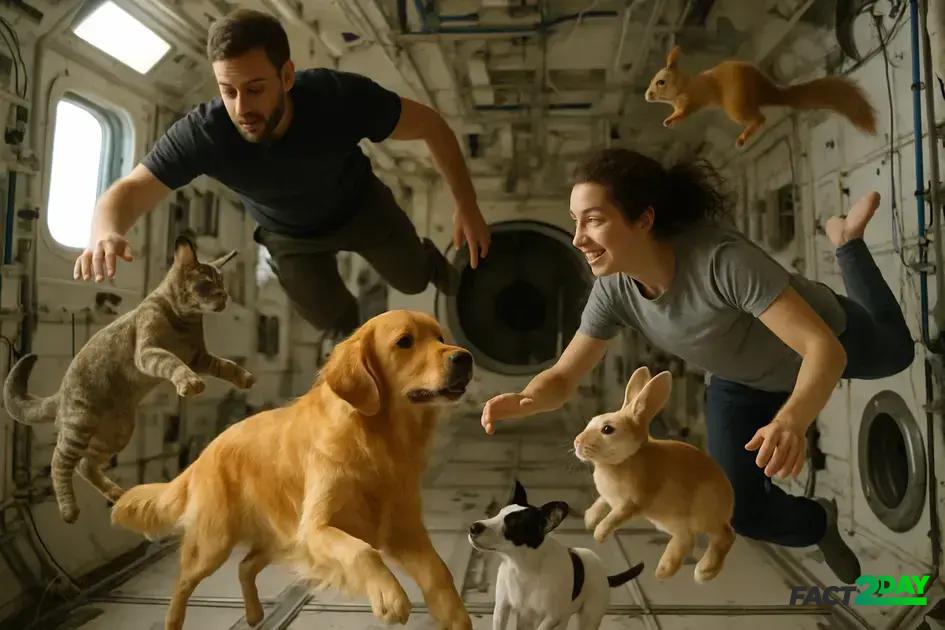
Animal adaptation to zero gravity involves physiological changes such as loss of muscle and bone mass, adjustments to the cardiovascular system, and balance, allowing survival in weightless space environments.
Have you ever wondered how animal adaptation to zero gravity works? In space, where gravity seems to disappear, animals and humans face transformations that seem like magic but are pure science. Let’s explore this floating universe together.
effects of zero gravity on the bodies of animals
When animals are exposed to zero gravity, their bodies undergo significant changes. One of the most noticeable effects is muscle atrophy, where muscles weaken and shrink due to the lack of use. This happens because, without gravity, animals don’t need to support their own weight, so their muscles don’t work as hard as on Earth.
Bone density also decreases in microgravity environments. Bones lose minerals and become more fragile, which can lead to long-term health issues if the exposure is prolonged. This change happens because bones respond to mechanical stress, and in weightlessness, this stress is minimal.
The cardiovascular system is affected too. Without gravity, fluids in the body shift upwards towards the head, causing swelling in the face and pressure changes. This fluid redistribution can impact blood circulation and heart function.
Additionally, the vestibular system, responsible for balance and spatial orientation, becomes confused in zero gravity. Animals may experience disorientation or motion sickness during the initial period of adaptation.
Despite these challenges, many animals show remarkable resilience. Studies on rodents, fish, and even tiny organisms like insects reveal how physiological systems adjust over time, offering insights into human health in space. Understanding these effects helps prepare for longer space missions and supports the development of countermeasures to protect living beings in space.
natural adaptation strategies in weightless environments
In zero gravity, animals use a variety of natural strategies to adapt and survive. One important approach is adjusting their movement patterns. For example, fish change the way they swim, relying on gentle, controlled motions to navigate in a weightless environment. This helps them maintain balance and avoid disorientation.
Some animals develop physical adjustments over time. Rodents aboard space missions show changes in muscle use and bone density, which sometimes triggers biological responses to help preserve their strength and structure. These adaptations are critical to prevent deterioration and improve mobility during prolonged exposure to microgravity.
Behavioral changes also play a role. Animals may alter their feeding habits or sleep cycles to better cope with the space environment. Their bodies try to regulate internal processes like fluid distribution, which is very different from what happens on Earth due to the lack of gravity pulling fluids downward.
Vestibular adaptations allow animals to maintain spatial orientation despite the confusing signals received from the inner ear. These adaptations help reduce motion sickness and improve coordination in free-floating conditions.
Understanding these natural strategies not only informs space biology but also guides the design of artificial support systems for humans, improving safety and comfort during space travel.
implications for human life on extended space missions
Long-duration space missions present several challenges to human health and well-being. One of the major concerns is the loss of bone density. Just like animals, humans experience bone weakening in microgravity due to reduced mechanical stress, increasing the risk of fractures.
Muscle atrophy is another critical issue. Without gravity, muscles are underused and can shrink, affecting strength and endurance. Astronauts must follow strict exercise routines to counteract this effect.
Fluid redistribution also impacts humans in space. Bodily fluids shift towards the head, causing facial puffiness and increased pressure inside the skull, which can lead to vision problems over time. This condition is known as Spaceflight Associated Neuro-ocular Syndrome (SANS).
The cardiovascular system adapts to the absence of gravity, sometimes leading to irregularities in heart rhythm and blood circulation. Monitoring and managing these changes are essential for long-term health in space.
Furthermore, psychological impacts such as isolation, confinement, and disrupted sleep cycles pose risks. Maintaining mental health is crucial, requiring support through communication, structured schedules, and recreational activities.
Research in space biology aims to develop countermeasures like artificial gravity, optimized exercise protocols, and medical interventions to ensure humans stay healthy during extended missions.
Understanding life in zero gravity is key for space exploration
Adapting to zero gravity is a complex challenge for animals and humans alike. The effects on the body, from muscle loss to fluid shifts, require careful study and solutions.
By learning from natural adaptations in animals and developing effective countermeasures, we improve the chances of success for long space missions.
These insights bring us closer to safely exploring and living beyond Earth, opening new frontiers for humanity.