Sky of Mysteries: The Rarest and Most Dazzling Atmospheric Phenomena on the Planet
Fenômenos atmosféricos raros revelam o lado mais mágico e inesperado do céu, convidando você a descobrir essas belezas naturais impressionantes.
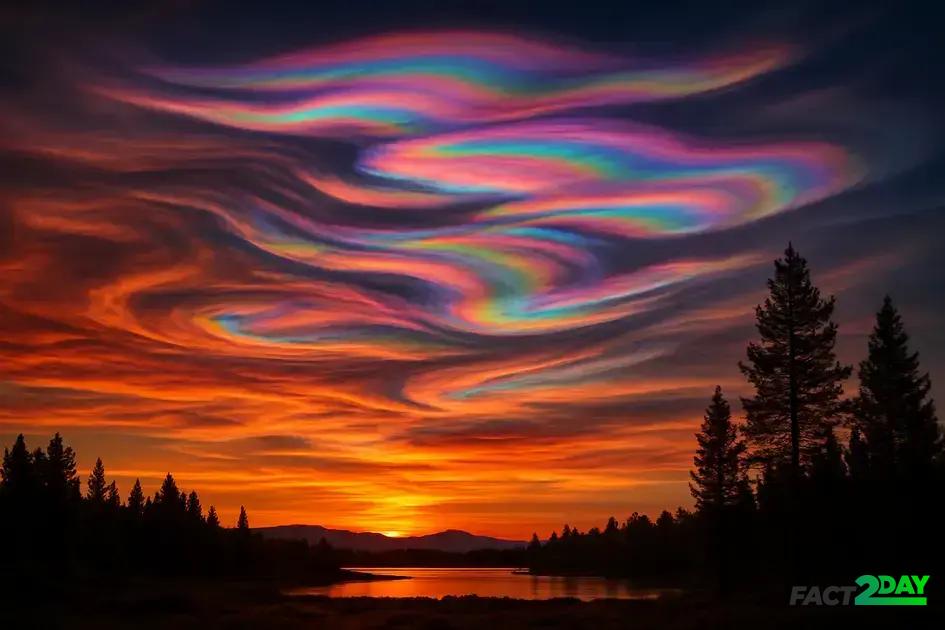
Rare atmospheric phenomena are natural events that occur due to specific combinations of temperature, humidity, airborne particles, and wind patterns, producing unique visual effects such as auroras, fire rainbows, and ball lightning.
Have you ever stopped to observe the sky and wondered about the rare atmospheric phenomena that sometimes appear, almost like secrets of nature? They connect us with the unexpected and make us see the world through new eyes. Let’s explore together these mysteries that color the horizon.
How rare atmospheric phenomena are formed
Rare atmospheric phenomena form through unique combinations of weather conditions that are not commonly present at the same time. These conditions often involve specific temperatures, humidity levels, wind patterns, and the presence of unusual particles in the air. Understanding how these phenomena develop requires analyzing the delicate balance that nature creates to produce such extraordinary events.
Temperature and Humidity
Temperature plays a crucial role in atmospheric phenomena. For example, icy crystals can form in cold air, while warmer moist air can lead to the creation of colorful halos or glories. The interaction between layers of air with different temperatures can produce optical effects like mirages or twilights with unique colors.
Air Particles and Light Refraction
Some rare phenomena depend on how light bends or scatters through tiny particles such as ice crystals, water droplets, dust, or pollutants. This refraction creates stunning visual effects like rainbows, halos, or even the less common green flash observed during sunsets. The shape and orientation of these particles can significantly influence the phenomenon’s appearance.
Wind and Atmospheric Conditions
Wind patterns can lift and shape clouds in ways that result in mesmerizing formations like lenticular clouds or roll clouds. Additionally, stable atmospheric layers can trap clouds and light inside, producing unique optical phenomena. Each of these factors combined gives rise to the rare and beautiful events we sometimes get to witness in the sky.
fascinating examples around the world
Across the globe, there are many rare atmospheric phenomena that captivate observers with their uniqueness and beauty. One famous example is the aurora borealis, or northern lights, which paint the skies of polar regions with vibrant waves of green, pink, and purple. This natural light show occurs when charged particles from the sun interact with the Earth’s magnetic field.
Fire Rainbows
Also known as circumhorizontal arcs, fire rainbows create bright, rainbow-like colors in the sky when sunlight hits ice crystals in cirrus clouds at a specific angle. These rare arcs are often seen in high-altitude clouds and require precise atmospheric conditions to form.
Ball Lightning
Another mysterious phenomenon is ball lightning, which appears as glowing, spherical lights during thunderstorms. This elusive event is rarely witnessed and remains largely unexplained, making it a subject of curiosity among scientists and sky watchers alike.
Green Flash
The green flash occurs just after sunset or before sunrise, when a quick burst of green light appears at the horizon. This happens because of the refraction of sunlight in the atmosphere under very clear conditions.
These examples show how diverse and wondrous our skies can be when the right elements come together to create atmospheric marvels.
what these phenomena teach us about nature
Rare atmospheric phenomena offer valuable insights into the complexity and beauty of nature. They reveal how delicate balances in the environment produce stunning visual effects, teaching us about the interactions between light, air, and weather. Observing these events helps scientists understand atmospheric physics and climate patterns better.
Nature’s intricate balance
These phenomena show how small changes in temperature, humidity, or particle presence can cause major shifts in what we see in the sky. For example, the formation of halos or glories depends on the precise shapes and orientations of ice crystals in clouds, highlighting the fine details that nature controls.
Atmospheric health indicators
Some rare events act as indicators of atmospheric conditions. The appearance and frequency of these phenomena can signal shifts in weather or even climate changes. Scientists use these clues to monitor environmental health and predict weather events.
Inspiration for scientific curiosity
These wonders inspire curiosity and respect for the natural world. They encourage people to learn more about meteorology, physics, and environmental science, expanding public understanding and appreciation of our planet’s dynamic systems.
Understanding the wonders of rare atmospheric phenomena
Rare atmospheric phenomena offer a glimpse into nature’s amazing complexity and beauty. They show how small changes in the sky can create stunning effects that inspire both scientists and everyday observers.
By studying these events, we learn more about the Earth’s atmosphere and the delicate balances that shape our weather. This knowledge helps us appreciate and protect our natural environment.
Keeping an eye on these rare sky events can deepen our connection to the world around us and spark curiosity about the science behind them.