Oasis of Extreme Life: The Microbiomes That Thrive in the Most Inhospitable Places on Earth
Microbiomas extremos revelam a vida surpreendente que floresce em ambientes inóspitos. Venha explorar esses oásis naturais de resistência e adaptação.
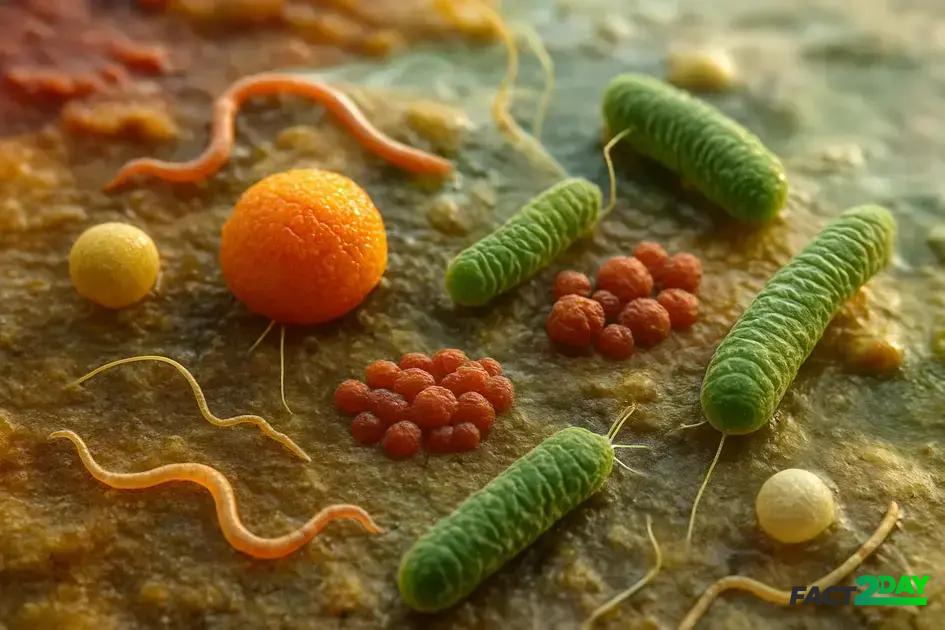
Extreme microbiomes are communities of microorganisms adapted to survive in inhospitable environments, using unique metabolic and genetic strategies that sustain essential ecosystems and offer valuable technological advances.
Have you heard of extreme microbiomes? These tiny inhabitants defy the harshest conditions on Earth, emerging as true oases of life. What secrets do they hold to survive where almost nothing lives?
How extreme microbiomes survive these harsh conditions
Microbiomes living in extreme environments face challenges like high temperatures, intense acidity, radiation, and lack of nutrients. These microorganisms have evolved unique adaptations to survive such harsh conditions. For example, some produce special proteins and enzymes that remain stable and functional under extreme heat or salinity.
Physical and Chemical Adaptations
Many extremophiles develop thick cell walls or protective membranes to shield themselves from damage. Some create biofilms, which are communities of microbes that stick together, providing extra protection and helping retain moisture and nutrients.
Metabolic Strategies
Microbiomes in inhospitable habitats often rely on unconventional energy sources, such as sulfur, methane, or hydrogen. These metabolic pathways allow them to thrive where sunlight or organic nutrients are scarce or absent. This flexibility is key to survival in deserts, deep oceans, or acidic lakes.
Genetic Mechanisms
Extreme microbiomes carry genes that help repair DNA damage caused by radiation or chemical stresses. Horizontal gene transfer is common, allowing them to acquire new genes quickly to adapt to changing environments.
Understanding how these tiny life forms endure extreme conditions reveals the incredible versatility of life on Earth and guides biotechnological advances.
the ecological importance of microbiomes in inhospitable environments
Microbiomes in harsh environments play a crucial role in maintaining ecological balance. They are often primary producers, converting inorganic compounds into organic matter that supports other life forms. For example, in deep-sea vents, chemoautotrophic bacteria produce energy from chemicals, forming the basis of a unique food web.
Supporting Biodiversity
These microbiomes create habitats and nutrient cycles that sustain diverse organisms. Their metabolic activities influence soil fertility, water quality, and atmospheric chemistry in extreme landscapes, enabling other species to survive.
Biogeochemical cycles
Microorganisms contribute significantly to the cycling of nutrients like carbon, nitrogen, and sulfur. In deserts and polar regions, they help decompose organic materials and fix nitrogen, vital for plant and microbial growth in nutrient-poor soils.
Indicators of Environmental Change
Because extremophile communities react sensitively to environmental shifts, they serve as early indicators of climate change or pollution impact. Studying these microbiomes helps scientists understand ecosystem health and predict future changes.
Overall, the ecological importance of microbiomes in inhospitable habitats highlights their role as essential engineers and stabilizers of life on Earth.
recent technologies and discoveries about extreme microbiomes
Recent advances in technology have revolutionized our understanding of extreme microbiomes. High-throughput sequencing and metagenomics allow scientists to analyze the DNA of entire microbial communities without cultivation. This reveals a vast diversity of previously unknown species and their functions.
Cutting-Edge Analytical Techniques
Techniques like metatranscriptomics and metabolomics provide insights into gene expression and metabolic activities of microbes in extreme habitats. These methods help identify how microbes adapt to stressors like high temperature, salinity, or acidity.
Remote and In Situ Sampling
Innovative tools such as autonomous underwater vehicles (AUVs) and drones enable in situ collection of samples from hard-to-reach places like deep-sea vents or polar ice caps. These devices preserve environmental conditions, improving data accuracy.
Biotechnological Applications
Discoveries of enzymes and biomolecules from extremophiles have promising industrial uses. For example, heat-resistant enzymes are applied in biofuel production and pharmaceuticals. Understanding extreme microbiomes also opens pathways for developing new drugs and environmental remediation methods.
Ongoing research and new technologies continue to expand our knowledge, uncovering the remarkable resilience and versatility of life in extreme environments.
Understanding the Power of Extreme Microbiomes
Extreme microbiomes reveal how life can adapt and thrive in the toughest places on Earth. Exploring these tiny ecosystems helps us appreciate the resilience and creativity of nature.
New technologies continue to uncover the secrets of these microorganisms, offering potential benefits for science and industry. By studying extreme microbiomes, we gain valuable insights that could shape the future of medicine, environment, and technology.
Embracing this knowledge encourages us to look closer at the unseen world around us and appreciate the diversity of life that exists against all odds.