Unlikely Partnerships: The Strangest and Most Essential Symbioses of the Animal and Plant Kingdoms
Simbiose bizarra na natureza revela parcerias estranhas que sustentam ecossistemas inteiros, mostrando como o improvável vira essencial para a vida.
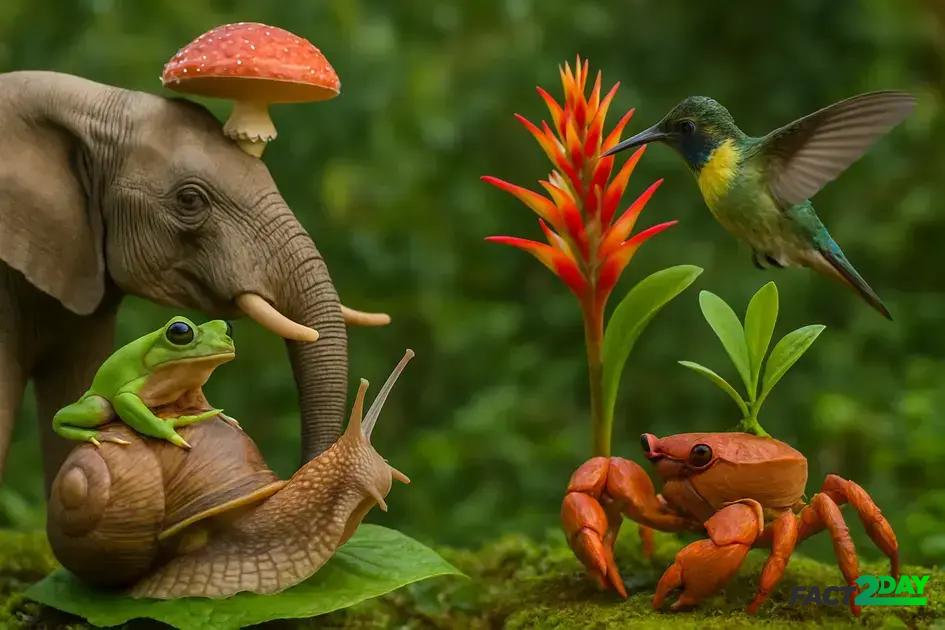
Bizarre symbiosis in nature refers to unexpected and essential partnerships between species that promote ecosystem balance, highlighting how complex relationships sustain biodiversity and environmental health.
Bizarre symbiosis in nature is more common than you might think and can teach us a lot about cooperation. Have you ever wondered how some of these unlikely alliances maintain the planet’s delicate balance? Let’s discover these fascinating connections together and what they might mean for our worldview.
bizarre symbiosis in nature: surprising examples
Symbiotic relationships in nature often surprise us with their strangeness and ingenuity. Take, for example, the oxpecker bird and large African mammals like rhinoceroses and zebras. The bird perches on these animals, feeding on ticks and parasites on their skin, benefiting from food while helping to keep the mammals healthy.
Another astonishing case is the fungus-growing ants, which cultivate fungus gardens inside their nests. The ants protect and feed the fungus, and in return, the fungus serves as their primary food source. This remarkable partnership showcases how species can evolve intertwined survival strategies.
In marine environments, the relationship between clownfish and sea anemones is a classic example. The clownfish gains protection from predators by living among the anemone’s venomous tentacles, and it defends the anemone from its predators and parasites. This mutual benefit creates a fascinating dynamic that defies ordinary predator-prey interactions.
Even stranger are cases like the zombifying fungi that manipulate insects’ behavior to spread their spores, creating a complex yet eerie form of symbiosis. While it may seem bizarre, this relationship impacts entire ecosystems by controlling insect populations.
These examples highlight how bizarre symbiosis in nature is not just odd but fundamental for survival and ecosystem balance, reminding us of nature’s creativity and resilience.
how these partnerships influence the balance of ecosystems
Symbiotic partnerships play a vital role in maintaining the balance of ecosystems. These relationships often regulate populations and resource distribution, preventing any one species from dominating the environment. For instance, lichens—a partnership between fungi and algae—help break down rocks into soil, creating habitats for other plants and animals.
In coral reefs, the coral and zooxanthellae algae symbiosis is essential. The algae live inside coral tissues, providing nutrients through photosynthesis, which supports vast marine biodiversity. When this balance is disturbed, coral bleaching can occur, threatening the entire reef ecosystem.
Predator-prey balance is also influenced by symbiotic relationships. For example, cleaner fish remove parasites from larger fish, promoting their health and survival. This service helps sustain fish populations and maintains the diversity of aquatic life.
On land, the partnership between mycorrhizal fungi and plants enhances nutrient absorption for plants, boosting plant growth and soil health. This directly supports herbivores and the higher levels of the food chain, demonstrating a cascading effect through the ecosystem.
Such interactions underline how bizarre symbioses in nature are crucial. They form interconnected networks that stabilize ecosystems, helping them withstand changes and recover from disturbances.
lessons from symbiosis for our relationship with the environment
Symbiosis teaches us valuable lessons about cooperation and balance that can inspire our relationship with the environment. Just as species rely on each other to survive, humans must recognize their connection to nature and work toward sustainable coexistence.
One key lesson is the importance of mutual benefit. In nature, symbiotic partners support each other’s needs without exploiting resources irresponsibly. This idea encourages adopting environmental practices that protect ecosystems while meeting human needs.
Sustainable agriculture draws from these natural partnerships, using techniques like crop rotation and companion planting to enhance soil health and reduce chemical use. These methods mimic symbiotic interactions to maintain biodiversity and productivity.
Another insight is resilience through interdependence. Symbiotic ecosystems often recover better from disruptions because species support one another. Encouraging diverse, interconnected habitats can help ecosystems and human communities become more adaptable to climate change and other challenges.
Lastly, symbiosis reminds us of nature’s complexity and the unintended consequences of disruption. Protecting pollinators, preserving wetlands, and reducing pollution are ways humans can honor these intricate bonds, ensuring long-term environmental health.
By learning from bizarre symbioses in nature, we can foster a deeper respect and stewardship for the planet, promoting harmony rather than domination.
Understanding the power of symbiosis in nature
Simbiosis bizarra shows us how life forms work together in surprising ways to keep ecosystems strong and balanced. These relationships teach us the value of cooperation and respect for the environment.
By appreciating and protecting these natural partnerships, we can learn to live more sustainably and support the health of our planet. Nature’s weird but wonderful alliances remind us that working together benefits all.
Embracing these lessons helps build a future where humans and nature thrive side by side, creating a world full of diversity, resilience, and harmony.