The Green Feast: The Most Terrifying and Fascinating Carnivorous Plants on the Planet
Giant carnivorous plants reveal a world of surprising beauty and survival strategies that seem to be taken from a fantasy tale.
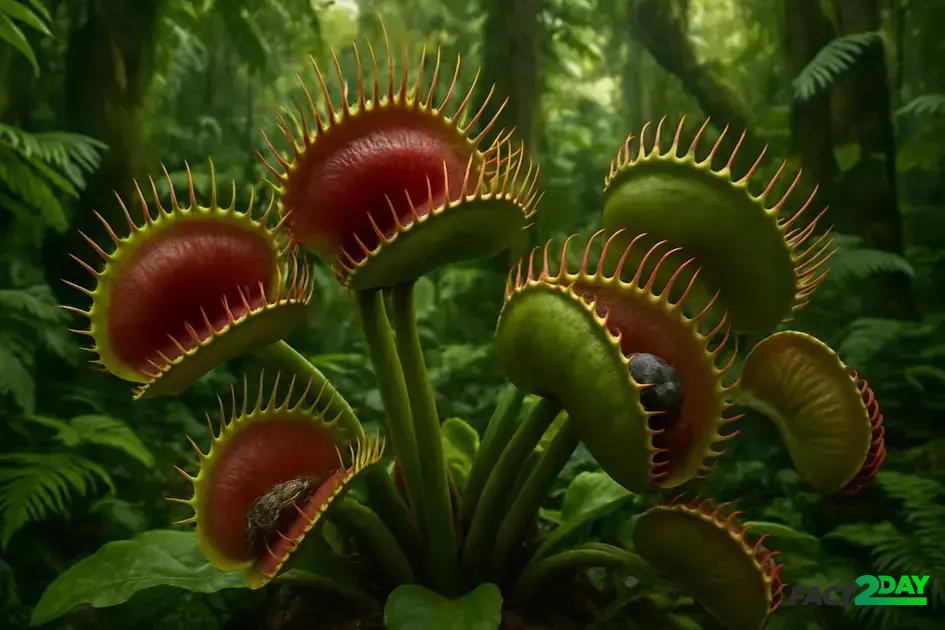
Giant carnivorous plants are unique plants that trap prey using specialized structures like pitcher traps and snap traps, thriving in nutrient-poor environments mainly in tropical and subtropical regions with distinctive adaptations for survival.
You may never have noticed, but giant carnivorous plants are true living stories of adaptation and mystery. Ever wondered how they work? Let’s explore this fascinating and frightening green universe together.
How giant carnivorous plants capture their prey
Giant carnivorous plants have evolved remarkable methods to trap their prey, using physical and chemical strategies that are both fascinating and deadly. One common technique involves pitfall traps, like those of the giant pitcher plants, which lure insects and small animals with bright colors and enticing nectar. Once the prey slips inside the pitcher-shaped leaf, it cannot escape due to the slick walls and downward-facing hairs that prevent climbing out.
Sticky Traps and Snap Traps
Other species use sticky surfaces covered with glandular hairs to catch unsuspecting bugs, immobilizing them quickly. Snap traps, like those of some giant Venus flytraps, close rapidly when trigger hairs are touched twice, capturing the prey with a powerful snap. These rapid movements are rare among plants and demonstrate an extraordinary evolutionary adaptation.
Digestive Process
After capturing prey, these plants secrete digestive enzymes or rely on symbiotic bacteria to break down the soft tissues, allowing them to absorb essential nutrients such as nitrogen and phosphorus. This adaptation helps them survive in nutrient-poor soils where they typically grow.
the unique mechanisms that make these plants fascinating
Giant carnivorous plants possess unique mechanisms that make them stand out in the plant kingdom. One of the most fascinating features is their ability to move quickly to trap prey, such as the rapid snap of the giant Venus flytrap. This motion is rare in plants and relies on specialized cells that change shape swiftly.
Specialized Traps and Adaptations
These plants also have specialized traps like slippery pitcher leaves that prevent prey from escaping. The walls of these pitchers often have a waxy coating that causes insects to fall inside. Some even produce sweet nectar to attract prey to the trap.
Chemical Lures and Digestion
Besides physical traps, giant carnivorous plants use chemical lures such as bright colors and scents to attract insects and small animals. After capture, they secrete digestive enzymes that break down the prey, allowing the plant to absorb vital nutrients. This adaptation helps them survive in nutrient-poor environments where competition is fierce.
onde encontrar essas impressionantes plantas no planeta
Giant carnivorous plants are found in specific parts of the world, mostly in environments where the soil is poor in nutrients. These fascinating plants thrive in tropical and subtropical regions, especially in wetlands, rainforests, and peat bogs.
Natural Habitats
One of the most famous locations for giant carnivorous plants is the rainforests of Southeast Asia, particularly in countries like Malaysia, Indonesia, and the Philippines. Here, species such as the giant pitcher plant (Nepenthes rajah) can grow to impressive sizes. In North America, the southeastern United States hosts large varieties of pitcher plants and Venus flytraps, mainly in swampy areas.
Conservation Areas and Botanical Gardens
Many of these plants are protected in national parks and conservation areas due to their rarity and vulnerability. Botanical gardens around the world also cultivate and display giant carnivorous plants, offering a chance to see them up close for educational purposes and research.
Exploring these regions or visiting specialized gardens provides a unique opportunity to witness the remarkable adaptations of giant carnivorous plants in their natural or simulated habitats.
Discovering the Wonders of Giant Carnivorous
Giant carnivorous plants offer a unique glimpse into nature’s incredible adaptations. Their fascinating traps and survival skills make them some of the most intriguing plants on Earth.
By understanding where to find these amazing plants and appreciating their special mechanisms, we can better value their importance and the need to protect their habitats.
Exploring these plants brings us closer to the mysteries of the natural world and reminds us of the diversity life has to offer.