The Apocalypse That Never Came: History’s Most Memorable Doomsday Prophets
Profetas do fim do mundo revelam histórias fascinantes de previsões apocalípticas que nunca se realizaram, despertando curiosidade e reflexão sobre o futuro.
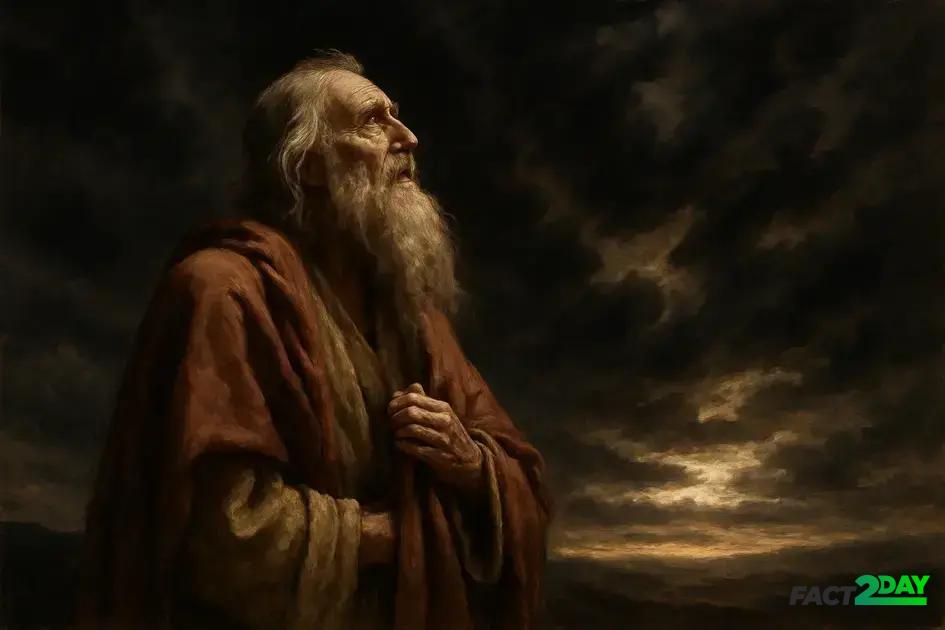
Doomsday prophets are historical and modern figures known for predicting apocalyptic events that never occurred, revealing society’s enduring fascination with doomsday scenarios and the importance of critical thinking.
Have you ever wondered how many times doomsday prophets got their predictions wrong? Let’s explore together these fascinating stories that blend faith, fear, and hope in a future that never arrived.
Origin and Impact of Doomsday Prophets
The origins of the prophets of the end of the world trace back to ancient civilizations where apocalyptic visions and prophecies played a significant role in shaping cultures and religions. These prophets often emerged during times of social or political turmoil, offering explanations and warnings about impending doom to explain the chaos and appeal for change.
Historical Context
Many early prophecies about the end of the world were tied closely to religious beliefs. For example, in Judeo-Christian traditions, prophets like Daniel and John in the Book of Revelation described symbolic and vivid apocalyptic events. Such prophecies influenced millions and affected societal behaviors, sometimes even resulting in mass panic or widespread movements.
The Impact on Society
The effect of these prophets went beyond spiritual influence. Their predictions often altered political decisions, social dynamics, and cultural narratives. People adapted their lifestyles or took significant actions based on prophetic claims, illustrating the strong human desire to make sense of uncertainty.
Modern Continuations
While the ancient prophecies have passed, the legacy survives in contemporary figures who claim to foresee global catastrophes. The impact of these modern prophets is evident in media coverage, popular culture, and public conversations, continuously shaping how society perceives and fears the future.
best-known historical cases and their failed predictions
Throughout history, many famous end-of-the-world prophets made bold predictions that never came true. These failed prophecies captured public attention, generating fear, excitement, and sometimes even hysteria. Examining these cases helps understand the patterns and effects of such predictions.
Case of Harold Camping
One of the most well-known modern prophets was Harold Camping, who predicted the world would end on May 21, 2011. When this date passed without incident, he revised the prediction to October 21, 2011. Neither event occurred, yet his message spread widely, influencing thousands of followers to prepare for the apocalypse.
The Millerite Movement
In the 19th century, William Miller predicted that Jesus Christ would return between 1843 and 1844. The failure of this prediction is known as the “Great Disappointment.” Despite the error, the movement led to the creation of new religious groups and a lasting impact on American religious thought.
Other Notable Failed Predictions
Many other predictions, such as those regarding the year 2000 chaos, the Mayan calendar ending in 2012, and various doomsday scenarios tied to comets or planetary alignments, have also failed. These continued failed prophecies reveal humanity’s enduring fascination with the unknown and the desire to find meaning in uncertain times.
lessons we can learn from the prophets of the apocalypse
The stories of apocalyptic prophets offer valuable lessons that go beyond their failed predictions. They teach us about human nature, society’s response to fear, and the importance of critical thinking when facing dramatic claims.
Understanding Fear and Hope
Many prophets of the end times tap into deep human emotions—fear of the unknown and hope for salvation. Recognizing this helps us see why people are drawn to such predictions and how these emotions can influence decisions on a large scale.
The Power of Skepticism
Learning to approach prophetic claims with skepticism is crucial. Not every prediction is based on evidence or reason, and questioning these claims prevents unnecessary panic and misinformation from spreading.
Lessons for Society
Society benefits when it values critical thinking and education over blind faith in doomsday predictions. These lessons remind us to focus on building resilience and preparing realistically for challenges rather than fearing unwarranted catastrophes.
Ultimately, the stories of apocalyptic prophets encourage us to look beyond sensationalism and seek balanced understanding rooted in facts and rationality.
Reflections on the prophets of the end of the world
The stories of the prophets who claimed to predict the end of the world remind us how powerful human hopes and fears can be. Their predictions, although often incorrect, have shaped history and influenced many people.
By understanding these stories, we learn the importance of thinking critically and not giving in to panic. They teach us to focus on facts and prepare wisely for the future rather than fearing imagined disasters.
Ultimately, these lessons help us build a stronger and more thoughtful society, capable of facing real challenges with calm and reason.