The Voice of the People (Ancient): The First ‘Influencers’ in History and How They Conquered the Masses
Explore como os primeiros "influencers" influenciaram a história e conquistaram as massas com suas vozes poderosas e presença marcante.
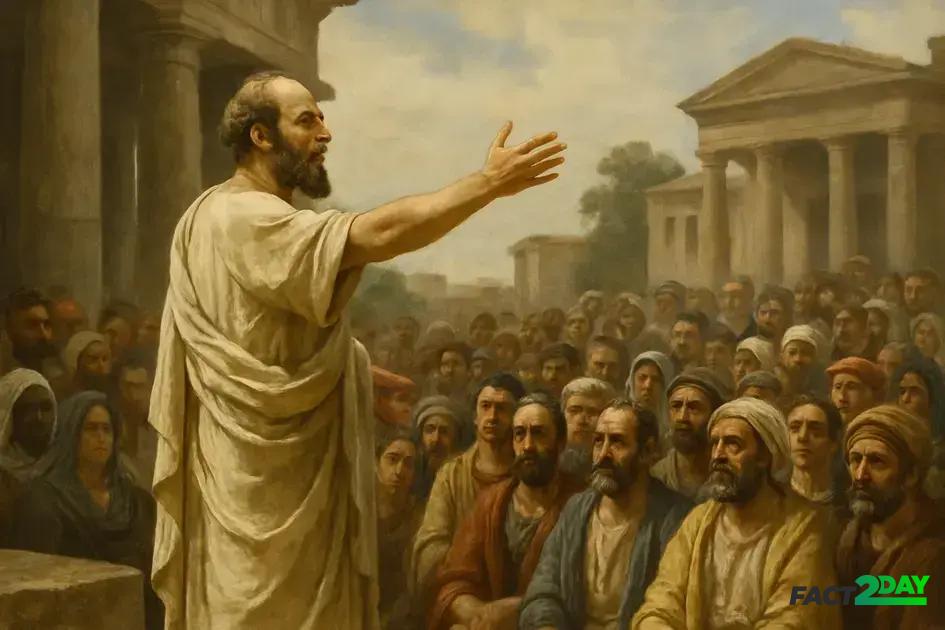
The first “influencers” were ancient storytellers, orators, and leaders who used powerful communication, emotional connection, and cultural rituals to influence and unite communities long before modern media.
Have you ever stopped to think about who the first “influencers” in history were? The first “influencers” used their voice and presence to win over and motivate crowds, long before social media existed. I invite you to discover this fascinating story with us.
The origins of the first “influencers” in history
The origin of the first “influencers” dates back to ancient times when communication was mainly oral, and public figures gained power through their ability to sway opinions. Storytellers, orators, and tribal leaders were among the earliest influencers, using their voice and presence to shape beliefs and decisions within their communities.
These individuals held a unique position in society, often acting as intermediaries between rulers and the people or as custodians of cultural knowledge. Their influence relied not on digital technology but on charisma, storytelling skills, and the capacity to connect emotionally with their audience.
In ancient Greece, for example, philosophers like Socrates and Aristotle influenced public thought through dialogue and debate. Similarly, in ancient Rome, orators such as Cicero persuaded citizens and leaders alike with their eloquence. Beyond politics, religious figures and shamans guided social and spiritual life, reinforcing their role as powerful influencers.
This oral tradition fostered a communal bond, where trust and reputation were essential for maintaining influence. Without written records being widely accessible, the spoken word carried significant weight, making these early influencers crucial in shaping culture, laws, and collective memory.
the strategies that won over the masses
The strategies used by the first influencers to win over the masses were deeply rooted in personal connection and storytelling. These early figures understood the power of emotions and used compelling narratives to engage their audience and create trust.
One key strategy was speaking directly to the needs and values of their community. By addressing common fears, hopes, or traditions, influencers built a strong bond that made their messages more persuasive. This approach often involved rhetoric techniques like repetition, vivid imagery, and appeals to shared beliefs.
Additionally, many early influencers used symbolism and rituals to reinforce their messages. Ceremonies, gestures, or attire helped make their influence more memorable and impactful among listeners. These public displays often served as visual cues that communicated authority and credibility.
Word of mouth played a crucial role in spreading their influence. Trusted followers would carry messages further, amplifying the reach organically. This network effect allowed certain influencers to gain prominence beyond their immediate circles.
the cultural and social impact of these ancient influencers
The cultural and social impact of ancient influencers was profound and far-reaching. These individuals helped shape collective values, traditions, and social norms by guiding communities through shared stories and rituals. Their influence extended beyond immediate communication to affect arts, politics, and religion.
One major impact was in the preservation and transmission of culture. Ancient influencers served as storytellers and historians, ensuring that important knowledge and beliefs were passed down through generations. This created a sense of identity and continuity within societies.
Socially, these figures often fostered community cohesion. By promoting common goals and reinforcing social rules, they helped maintain order and cooperation among groups. Their voice could settle disputes, inspire collective action, or motivate change.
Moreover, ancient influencers sometimes challenged existing power structures by encouraging new ideas or behaviors. This dynamic role contributed to social evolution, demonstrating that influence is not only about maintaining tradition but also about pioneering shifts in perspective.
The lasting influence of early influencers
The first influencers shaped not only opinions but also the very culture and social fabric of their time. Through powerful storytelling and connection, they built trust and inspired communities.
Their impact goes beyond history, showing us the enduring power of human connection and communication. Understanding their strategies can teach us valuable lessons on influence and leadership even today.
Recognizing the roots of influence helps us appreciate how voices, whether ancient or modern, can guide societies and shape our world.